Rethinking school design in Sharjah
Since the Sharjah Private Education Authority (SPEA) was founded in 2018, the emirate has worked steadily to raise the quality of private education. At its core is a clear vision of the skills, values and character every young person should carry into the world.
As this sector grows, the buildings children learn in matter more and more. A well-designed school shapes how children learn, supports their wellbeing, encourages collaboration and inclusion, and offers flexibility to adapt to future needs.
In late 2023, BDP was appointed to develop new guidelines for the design and construction of private schools and nurseries in Sharjah. The purpose is to help investors and design teams create learning environments that match the emirate's ambitions.
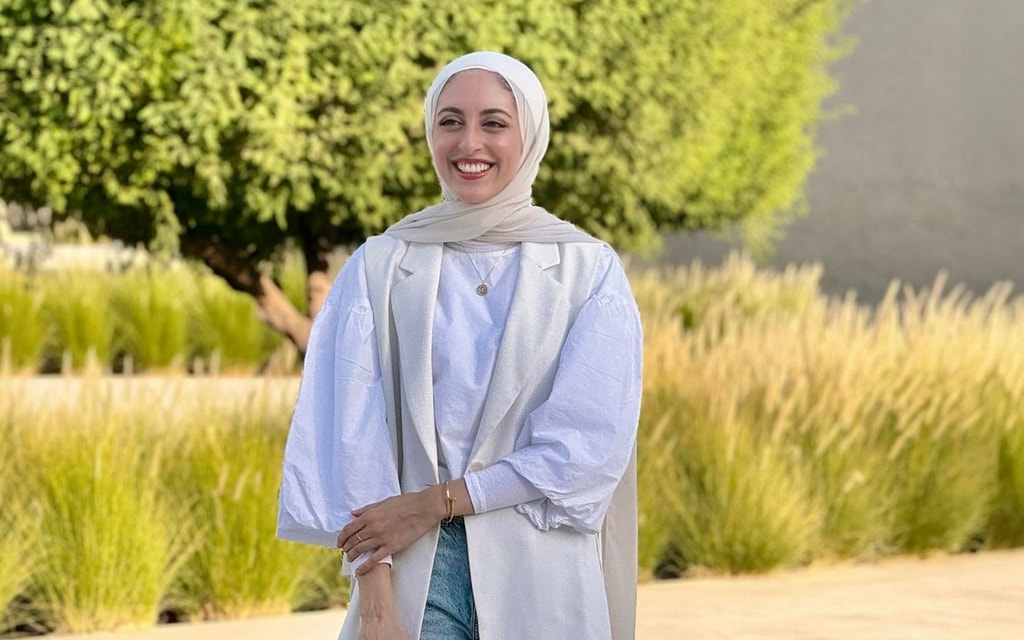
Architect Sarah Al Dulaimi, explains the thinking behind these new guidelines.
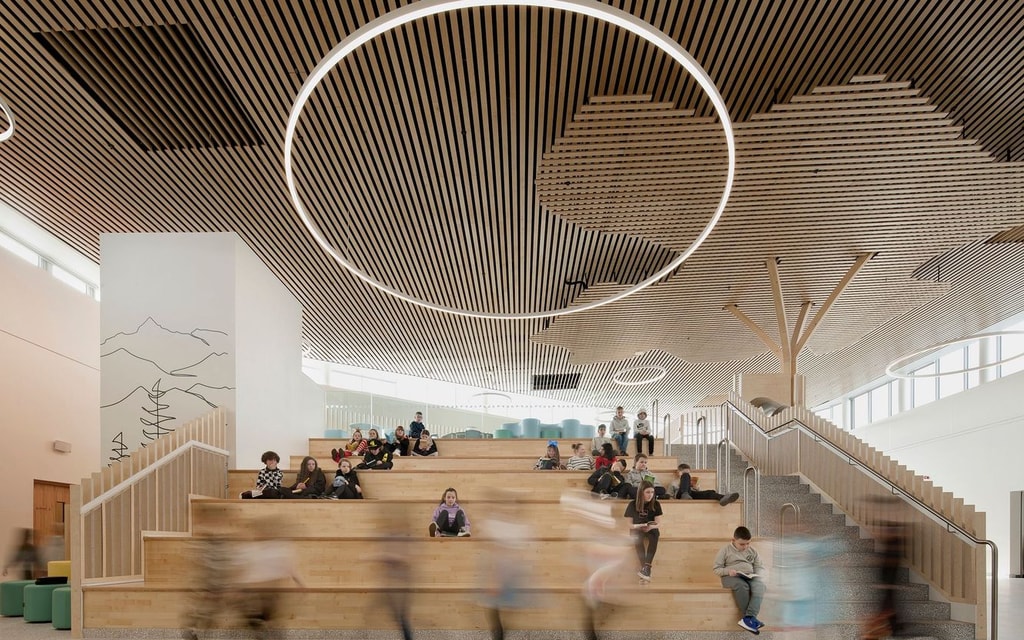
The building is part of the decision-making process.
In the UAE, parents of fee-paying schools generally trust that their child will get a good education. Their concern is often more about the building itself. Does it feel safe and welcoming? Is it well equipped? Will it give their child the chance to explore different interests? That's why these guidelines matter. They give Sharjah's schools a clear benchmark and raise the standard of facilities across the board, whatever the curriculum and whatever the fees.
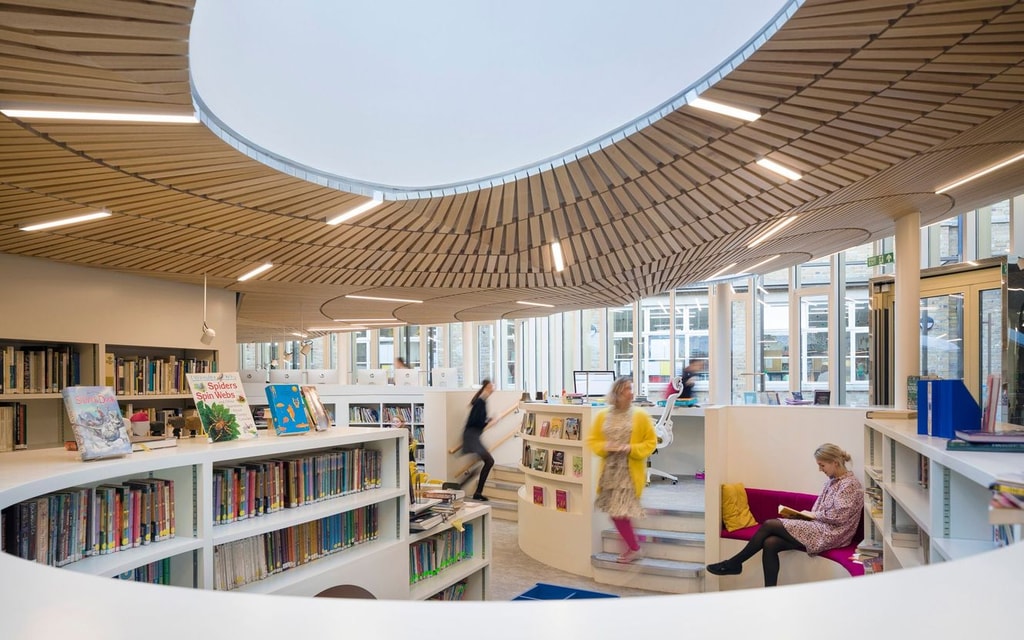
Closing the gap between fee tiers.
When we benchmarked existing schools, we found a significant gap between premium and more affordable schools, in both the quality and range of facilities. Narrowing that gap became one of the main aims. What a family can afford shouldn't decide whether their child learns in a space that supports a holistic education.
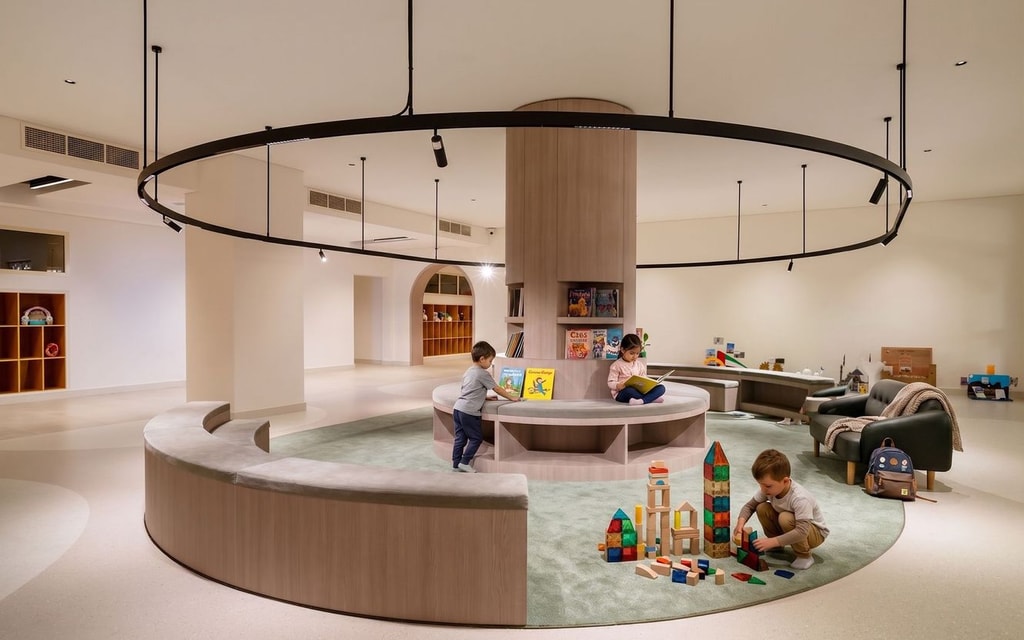
Broadening what a school can offer.
Many schools in the UAE are still built around the traditional classroom model, with limited space for sport, art, design, making or music. But a school shouldn't dictate what kind of education a child receives. It should give them opportunities to discover their own interests and direction. These guidelines put sport, design, and the performing and visual arts at the heart of school life and set a competitive minimum for the spaces needed to support them. A school should widen a child's horizons, not narrow them.
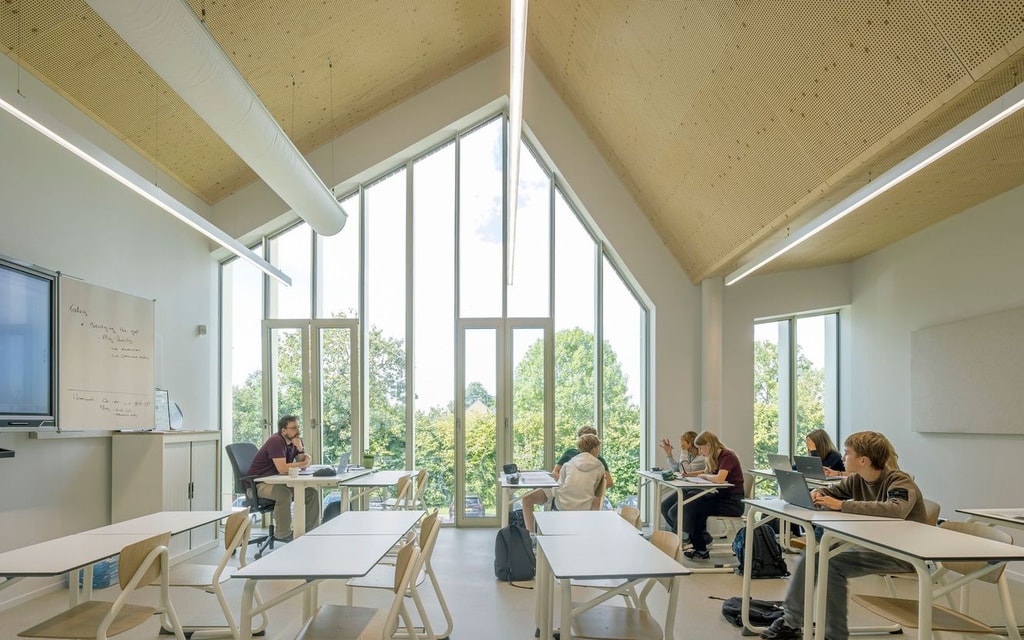
Inclusion means integration.
The guidelines shift the thinking from 'accessibility' to 'universal design', which means designing for everyone from the very start. A child of determination shouldn't have to use a back entrance, a separate route or a special room just because that's the accessible option. They should be able to move through and use the whole school the way any other child does.
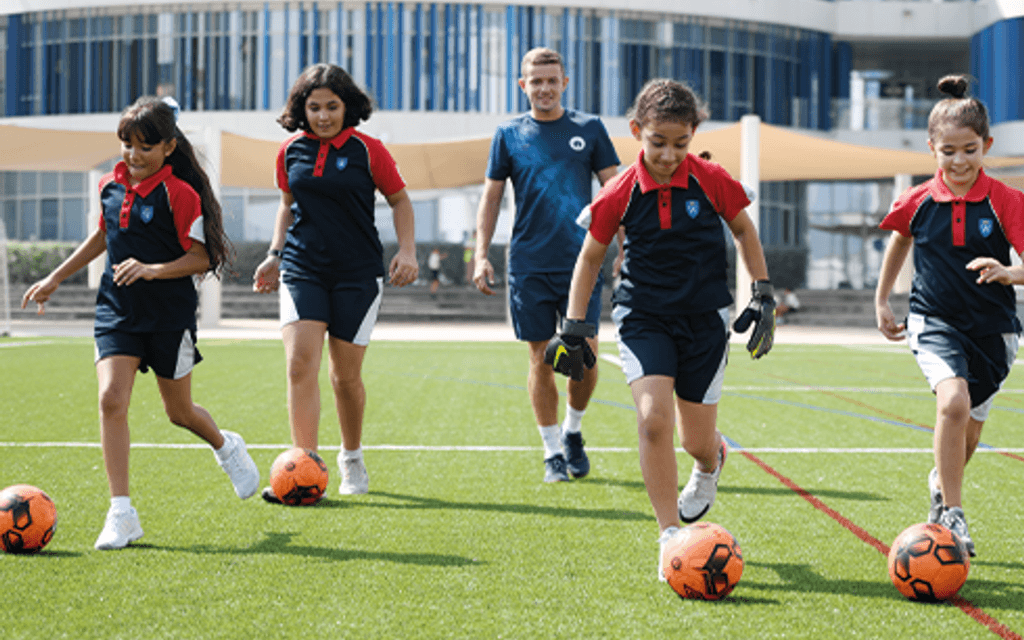
Giving every child the same opportunity.
The goal is not to make every school identical, or to make the guidelines impossible to achieve, but to set minimum guidelines and recommendations that can ensure the quality of the environment does not become a barrier to the quality or breadth of education a child can receive.
Designing for a net zero future.
Sustainability runs through the guidelines, focused on three priorities: energy, water and waste. For each one, the principle is reducing demand first, then meet what's left as efficiently as possible.
We didn't want to prescribe a single solution, because every site is different. Instead, the guidelines propose that every decision is tested against its sustainability impact, and to think about everyone it affects. That means teachers, pupils and parents, but also the wider community, the local construction industry and utility providers.
A sustainable school can teach by example. Children experience responsible design every day, and Sharjah has the chance to set the benchmark for sustainable education facilities across the region.