.jpg?u=2025-04-25T10:12:11.777Z&w=640&q=90)
Building Safety
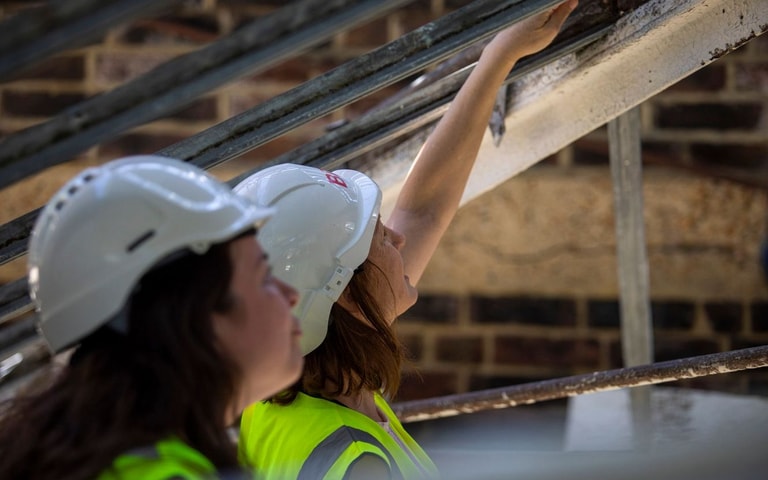
Building safety is embedded in the very fabric of our design philosophy. As Building Regulations Principal Designer and CDM Principal Designer, our advisory services support clients in managing statutory responsibilities and ensuring health, safety and compliance are embedded from the outset.
Our coordinated and proactive approach helps reduce regulatory risk, supports smoother approval pathways and provides clients with greater clarity throughout a project. By integrating safety considerations into design decisions, we help deliver buildings that are safer by design, easier to maintain and support long term efficiency and wellbeing.
Alongside statutory appointments, we provide independent client advisory and monitoring services, reviewing Principal Designer deliverables against recognised good practice to give clients additional assurance that safety, quality and compliance requirements are being effectively addressed.
Think.
A new standard for safer architecture
In every floorplan drawn, beam laid, and façade imagined, design speaks. Not just of aesthetic ambition, but of care, conscience, and accountability.
Raising the bar for building safety and accountability
The Grenfell Tower tragedy remains one of the most harrowing chapters in the UK’s built environment.
Planning approval for Birmingham Centre for Anatomy, Surgical and Clinical Skills
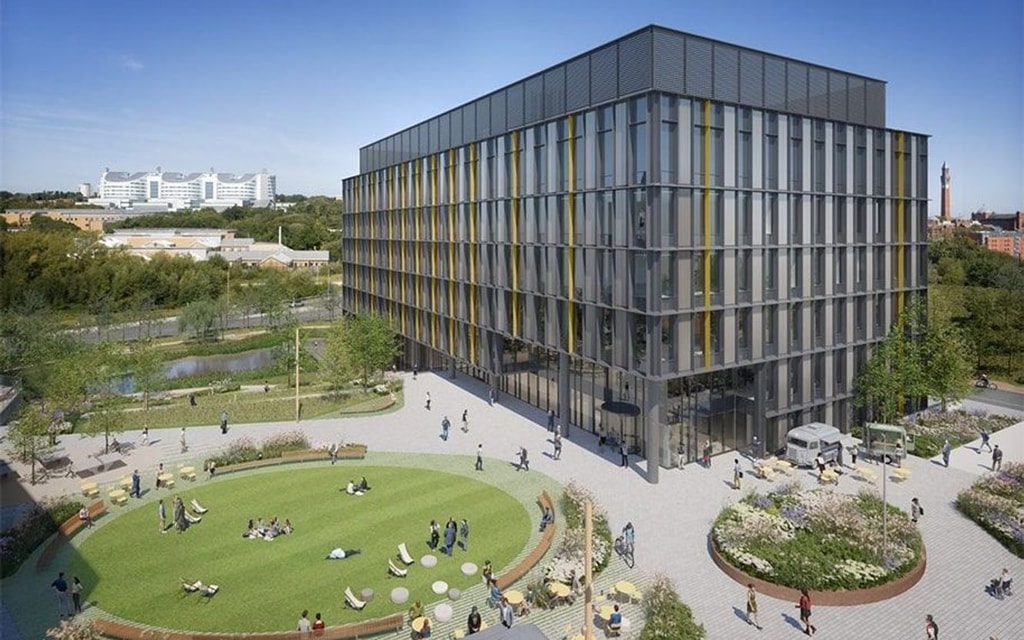
BDP's design for the Birmingham Centre for Anatomy, Surgical and Clinical Skills (B-CASCS) has been granted planning permission.
-1330x831.jpg?u=2025-04-07T09:31:47.944Z&w=1024&q=90)
‘The Terrace’ Fan Zone opens at Brighton’s Amex Stadium
‘The Terrace’, a fan zone at the American Express Stadium opened to fans ahead of the Brighton vs Aston Villa Premier League fixture on 2nd April.
Design.
-1920x1080.jpg?u=2025-04-07T09:31:47.944Z&w=1536&q=90)
‘The Terrace’ Fan Zone, American Express Community Stadium
As CDM Principal Designer, we help clients ensure that health and safety risks are identified, managed and coordinated throughout the design and construction process, in accordance with legislation and best practice.
A competent Principal Designer helps ensure that safety is considered from the outset, enabling safer, more efficient construction and supporting long-term compliance.
By coordinating the flow of health and safety information between all parties, we help reduce the risk of errors, miscommunication and unsafe practices on site. This proactive approach supports long-term asset management by considering safe cleaning, maintenance, operation, adaptation and eventual demolition, aligning with the full lifecycle thinking required under modern regulations.
For clients, this provides better risk management, fewer costly changes and greater confidence that buildings are safer for those who build, use and maintain them.
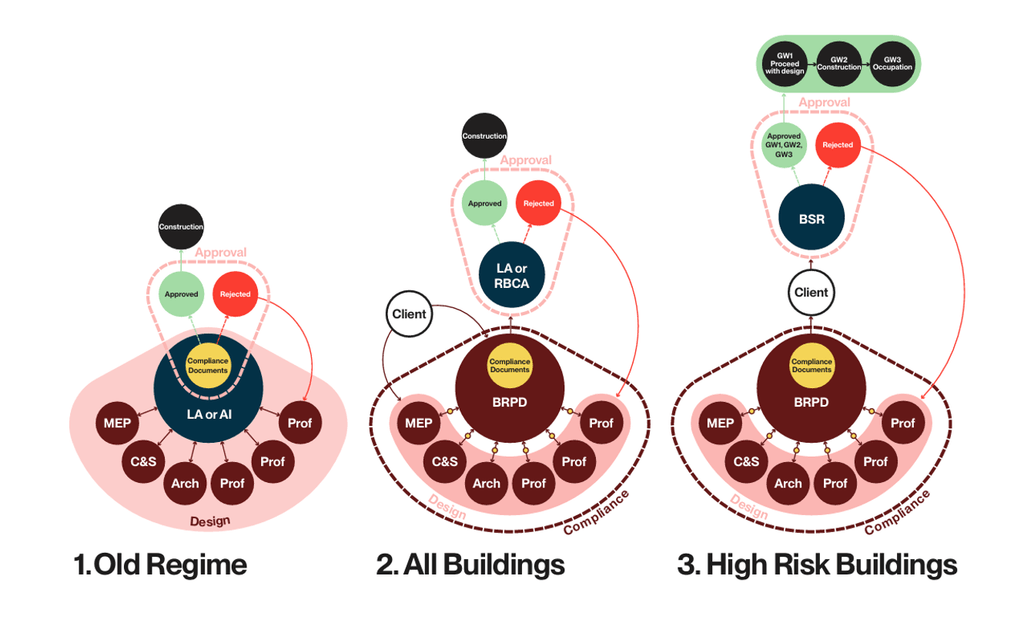
As Building Regulations Principal Designer, we help clients plan, manage, monitor and coordinate compliance with building regulations throughout the design process.
In the UK construction industry, particularly for large, complex and Higher-Risk Buildings (HRBs), compliance with building regulations is essential for protecting client interests and project viability. We support clients in navigating the requirements of the Building Safety Act and the evolving regulatory regime, helping reduce the risk of delays, enforcement action, reputational damage and increased costs.
A robust and rigorous approach to information management supports the ‘golden thread’ of information, ensuring all parties understand the design intent, construction methodology and compliance pathway. This transparency supports Gateway approvals, reduces the risk of rework and helps build confidence throughout the project lifecycle.
Clear documentation and alignment from the outset supports better outcomes across safety, quality and delivery, helping clients achieve safe, compliant and future-ready buildings.
Alongside statutory Principal Designer appointments, we provide independent technical advisory services to support clients who require additional assurance over project safety information and compliance processes.
We review Principal Designer deliverables against recognised good practice, helping clients assess the quality, completeness and alignment of information provided by their design teams.
This independent oversight supports informed decision-making, strengthens governance and provides clients with confidence that their projects are achieving expected standards for safety, quality and compliance.
Designing with effective fire safety strategies is essential for delivering safe, compliant and high-performing buildings, particularly within the UK’s evolving regulatory framework.
Working alongside appointed Fire Engineers, our designers have early involvement to understand project requirements and ensure fire safety considerations are embedded across the design, construction and operational phases, aligning with the principles of the ‘golden thread’ of information.
Using certified solutions within a coordinated BIM environment improves technical assurance, reduces rework and supports clear handover. High-quality fire safety design helps ensure compliance, protects occupants and safeguards the client’s programme, budget and long-term asset performance.
Confidence that design teams are appropriately qualified and competent is critical, particularly in the delivery of complex or higher-risk projects. Skilled designers help ensure that safety, quality and performance are considered from the start.
Our ongoing commitment to Continuing Professional Development (CPD), independent assessment and recognised frameworks such as the RIBA Principal Designer Register and PAS 8671 provides assurance that our teams meet high industry standards and remain aligned with evolving best practice and regulatory expectations.
We create a culture of openness where designers are encouraged to discuss the limits of their knowledge and expertise. This enables us to assemble the most appropriate teams for each project and provide targeted support where specialist expertise is required.
Practice.









Further Reading

Advisory Services
Connecting analytical rigour and design intelligence to unlock long-term value across buildings and places.