Unlocking hidden potential: urban intensification for a new rental era
Across the Greater Toronto Area, the housing landscape is undergoing a profound transformation.

After decades dominated by condominium development, the conversation is shifting toward purpose-built rental and rental infill, a change that reflects the region’s urgent need for attainable, sustainable and long-term housing options. For BDP Quadrangle, this moment is both familiar and full of opportunity.
The future of housing lies not only in building new but in re-imagining the potential of what already exists. Urban intensification – the repurposing, adapting and expanding the city’s existing building stock - offers one of the most powerful pathways to deliver more homes, faster and with far lower environmental impact.
Our history is deeply intertwined with the story of Toronto’s renewal through adaptive reuse. Pioneering projects like the Candy Factory Lofts and Toy Factory Lofts transformed disused industrial buildings into vibrant residential communities, breathing new life into entire neighbourhoods. Later, 36 Hazelton reinterpreted a heritage schoolhouse in Yorkville as multi-unit residential that elegantly bridges past and present, while 130 Bloor Street West demonstrated how density and design excellence can coexist by adding residential units above an occupied mid-century commercial tower.
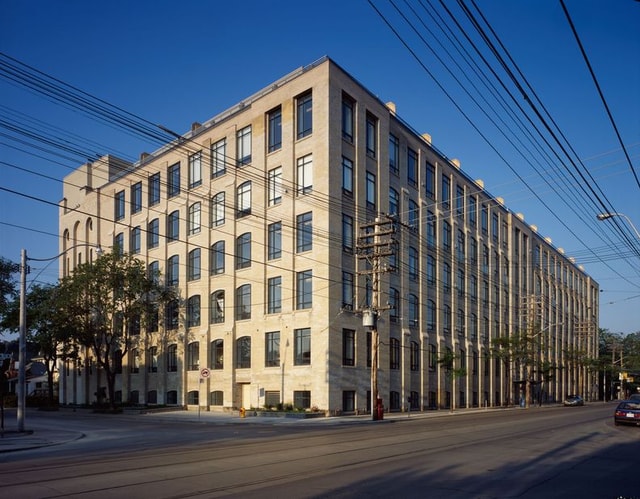
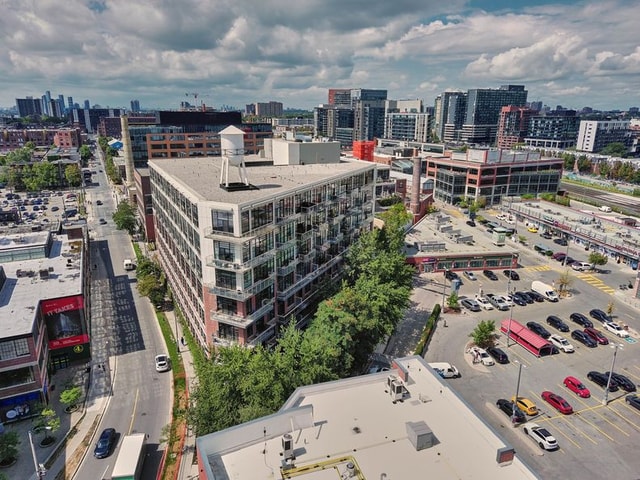
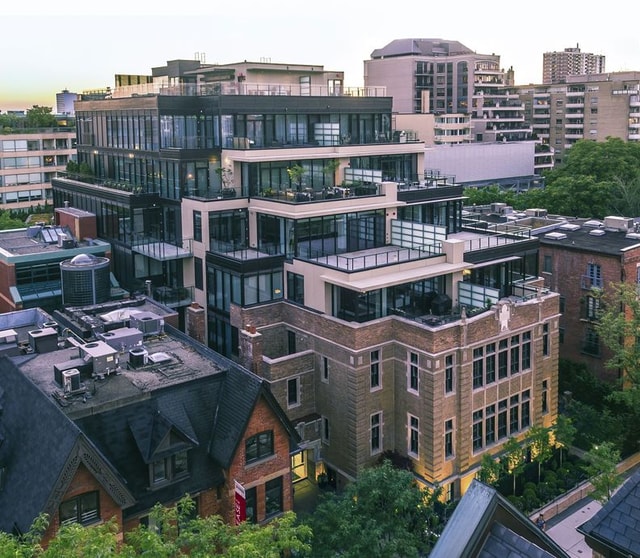
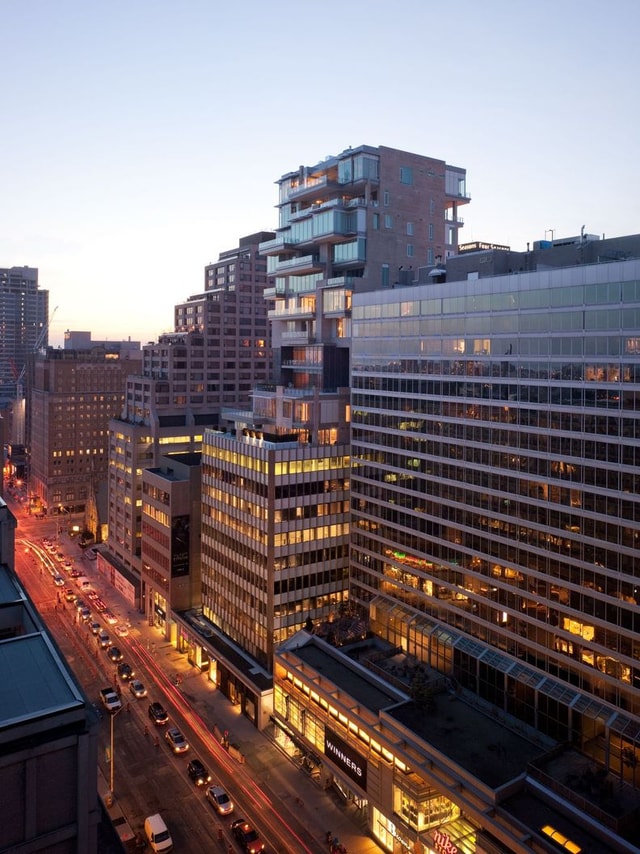
These projects were early expressions of an approach that is once again urgently needed: finding density in overlooked places. Each one challenged conventional development models by leveraging existing structures, preserving embodied carbon and enriching the urban fabric.
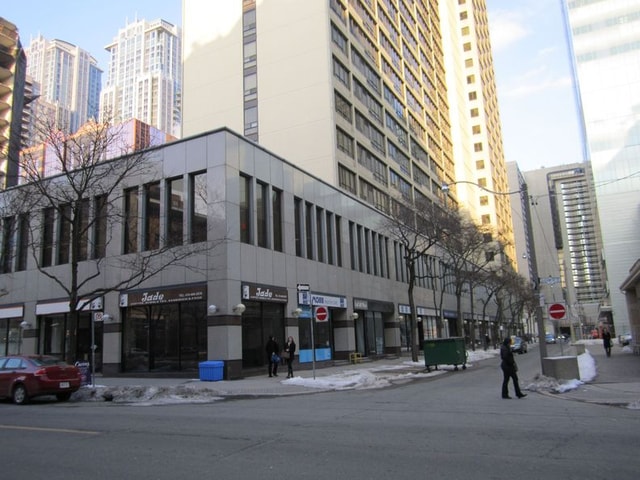
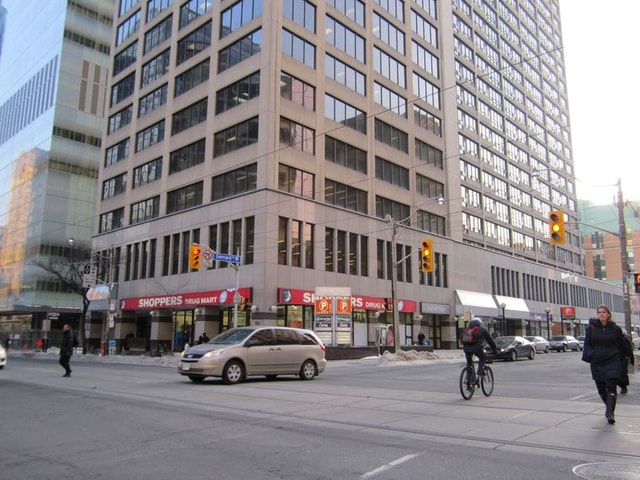
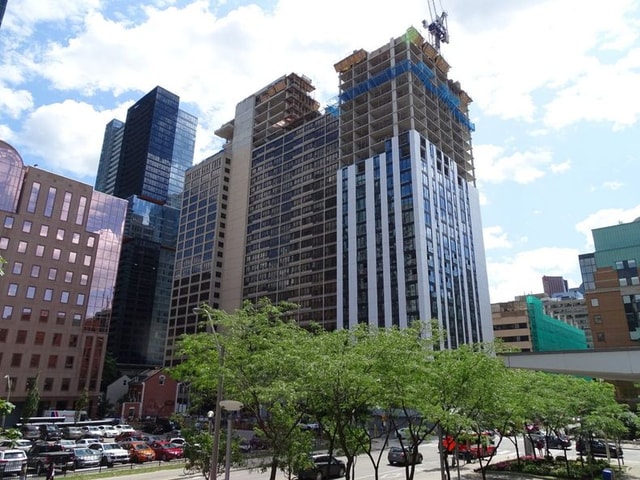
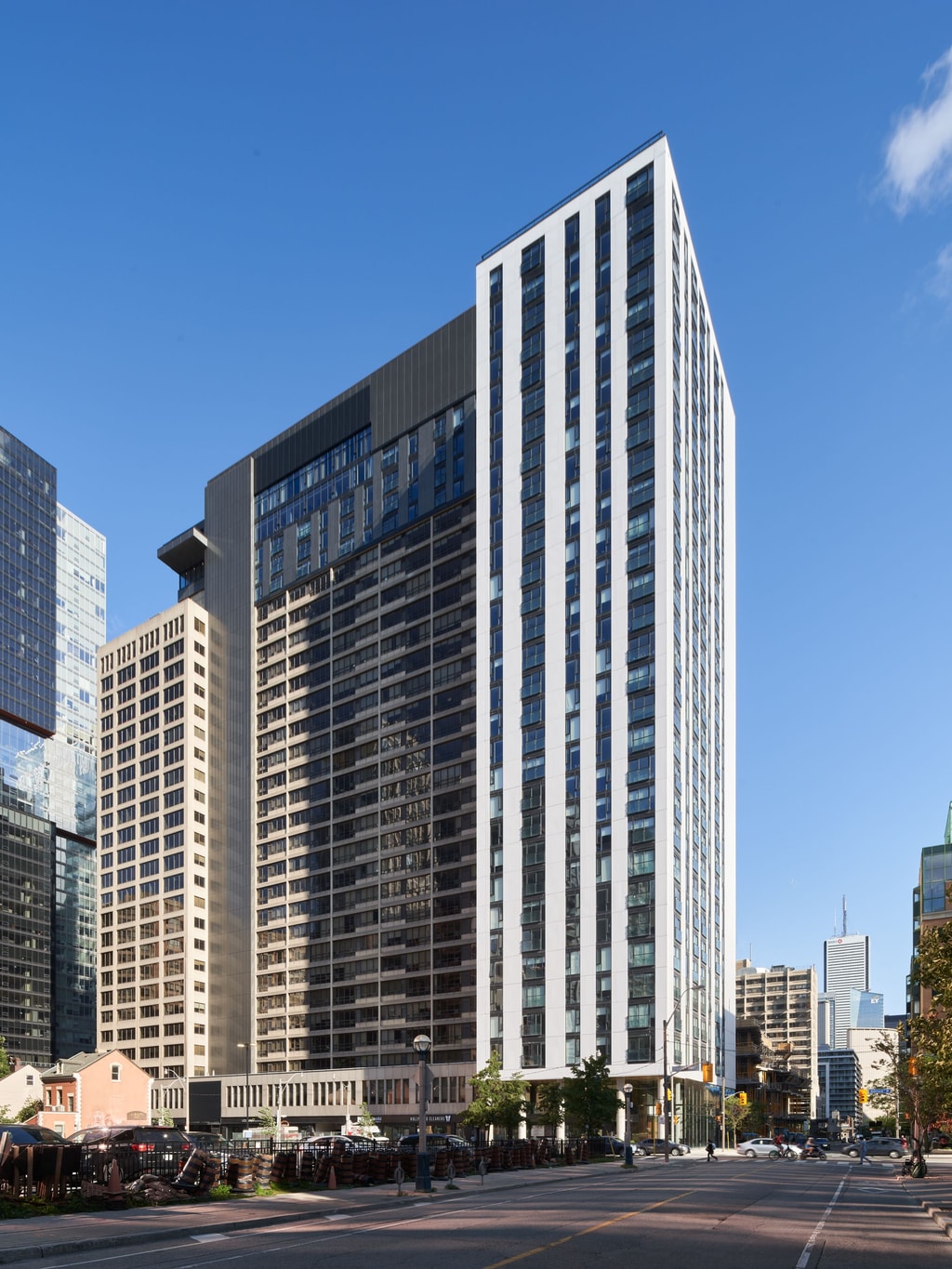
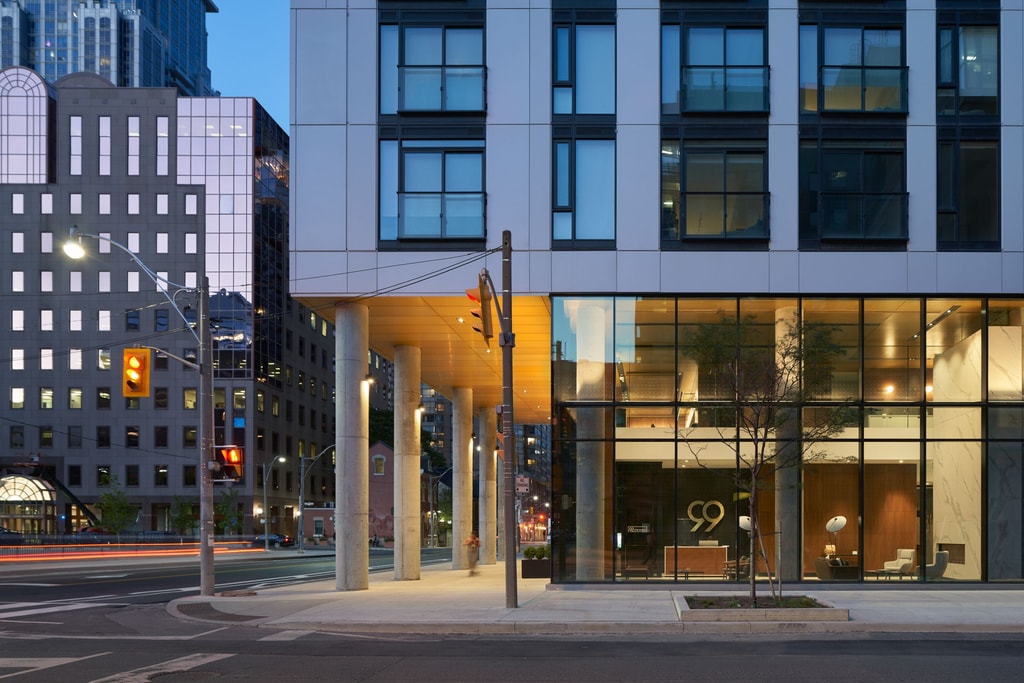
That same ingenuity defines 99 Gerrard, a project that epitomizes how urban intensification can unlock hidden housing potential. Originally constructed in 1974 as one of Toronto’s first mixed-use towers, 99 Gerrard has been re-imagined as a high-density rental community, adding 274 new purpose-built rental units to the city’s core.
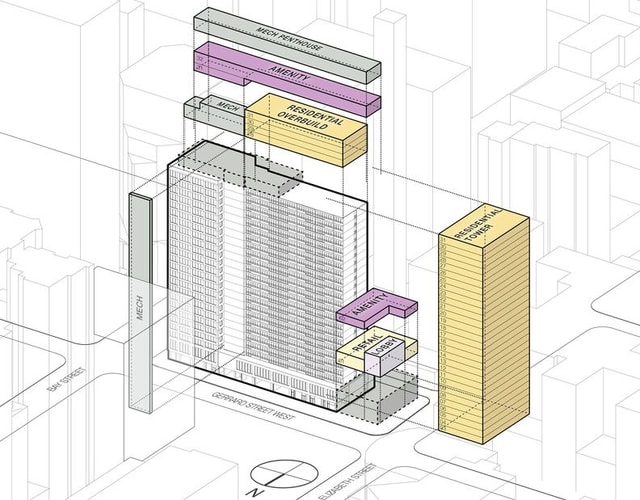
The project’s success rests on a deceptively simple idea: build up, not out. A 32-storey tower was added beside the existing 24-storey structure, linked through four new levels of residential and amenity space built above the original tower. This complex overbuild was completed while the existing commercial and residential uses remained in operation, demonstrating how creative structural and logistical strategies can add density without displacing communities.
Crucially, 99 Gerrard integrates new sustainable systems with the building’s existing infrastructure. The project leverages Toronto’s Enwave District Energy Network to supply low-carbon heating and cooling, contributing to its LEED Platinum certification and advancing the city’s decarbonization goals.
The lessons of 99 Gerrard reach far beyond a single site. The project exemplifies a replicable model for Toronto’s evolving rental market: adding new purpose-built rental housing through strategic intensification of existing assets. This model aligns with the province’s broader push toward increasing housing supply while minimizing urban sprawl.
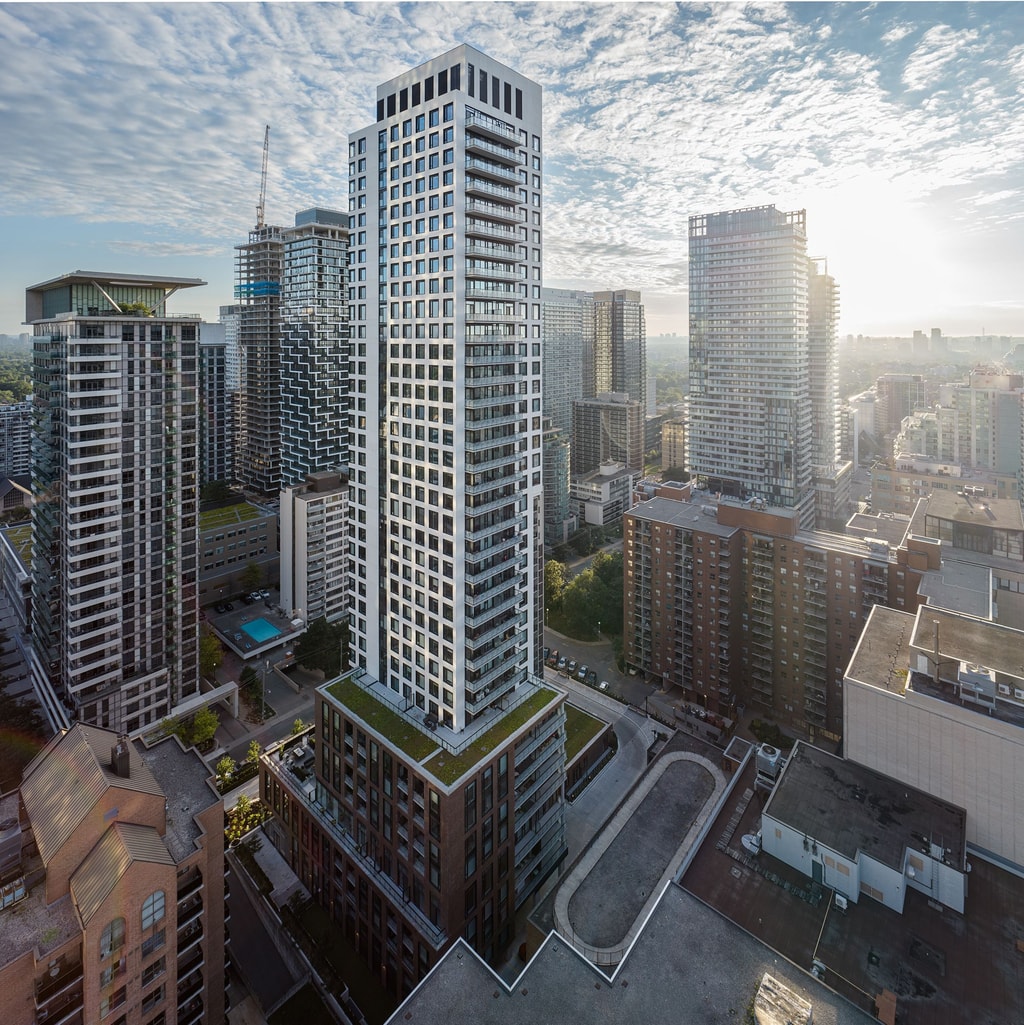
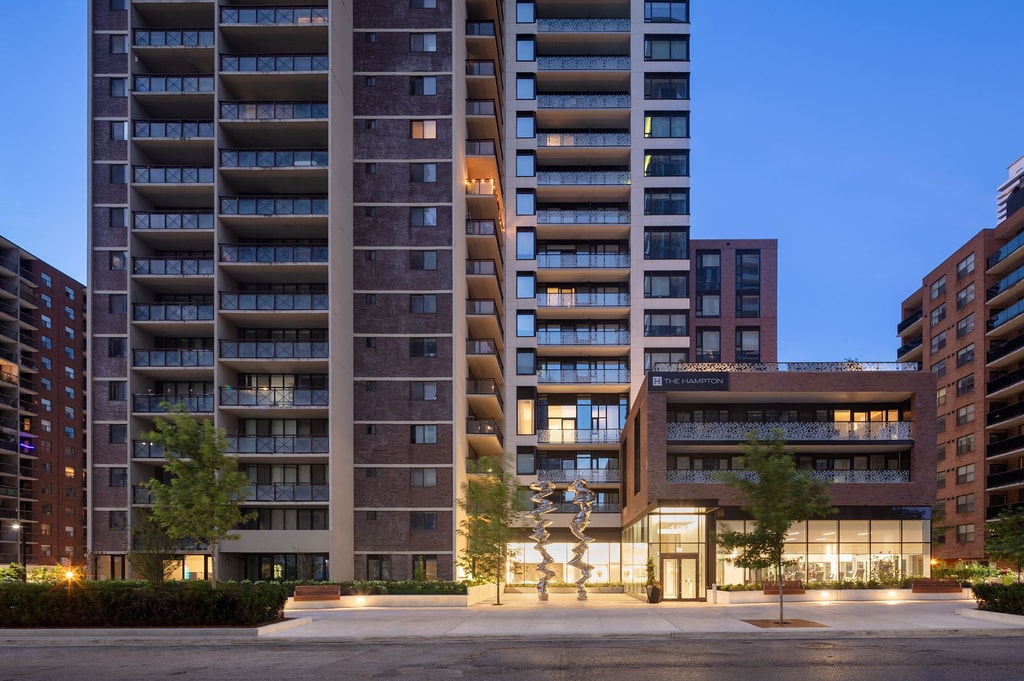
A similar approach is evident at The Hampton at 101 Roehampton Avenue, where a 38-storey rental tower has been seamlessly integrated with a 1970s apartment building, adding 255 new units and revitalizing 128 existing ones. These projects demonstrate that renewal and expansion can coexist, providing opportunities for growth that are socially and environmentally responsible.
Our experience extends well beyond the GTA. In London, BDP’s Tollgate Gardens project reimagined a 1960s social housing estate into 248 new homes - half affordable and half market-rate - through a design that retained and renewed existing structures while enhancing community spaces. The result is a thriving, mixed-income community that embodies equity and sustainability in equal measure.
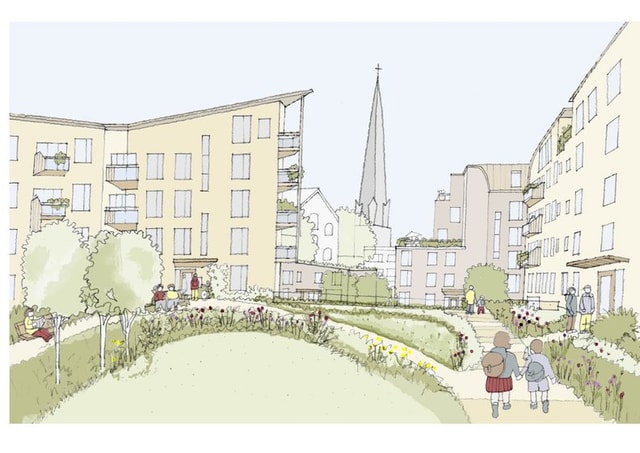
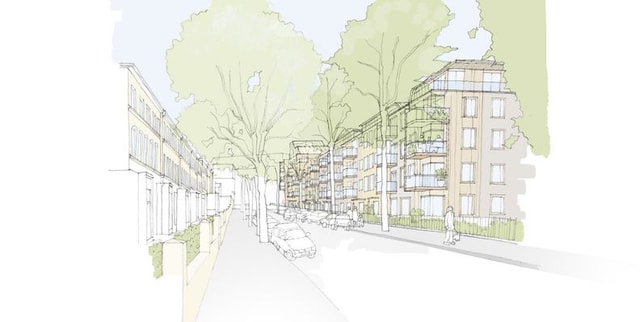
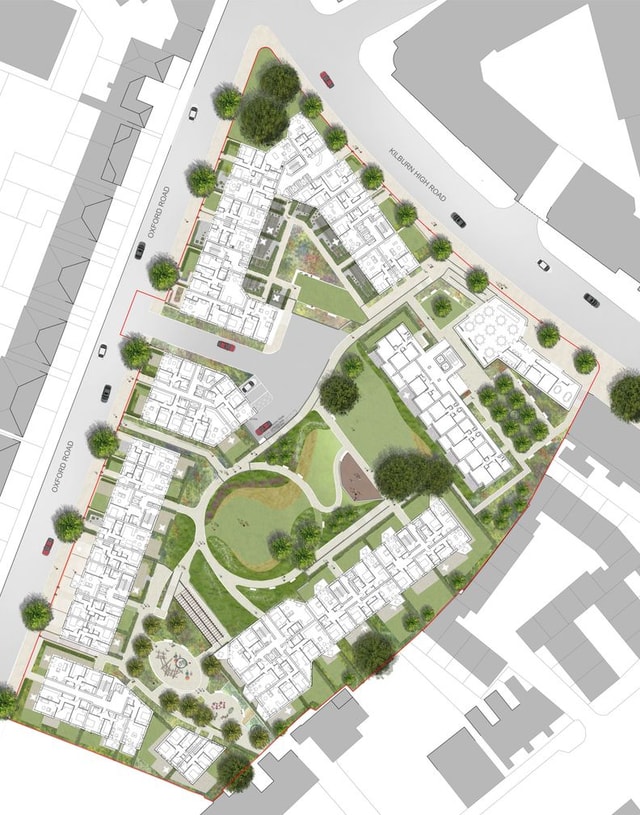
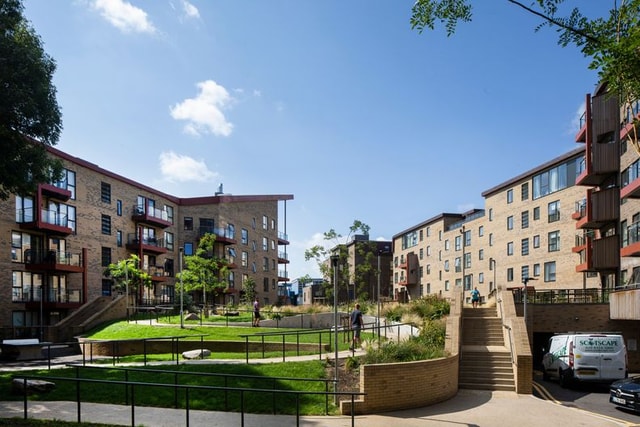
The parallels between London and Toronto are clear: both cities face immense pressure to deliver housing within mature, land-constrained urban fabrics. The solution lies in working with what we have, leveraging design intelligence to transform existing assets into future-ready communities.
Urban intensification is not merely a technical strategy; it’s a philosophical shift. It challenges us to see our cities not as static landscapes but as living systems capable of renewal. Through adaptive reuse, overbuilds and sensitive integration of new and old, we can unlock capacity within the existing built environment, delivering rental housing that supports economic diversity, sustainability and community resilience.
As Toronto redefines its approach to housing, we’re bridging innovation with heritage, density with livability and sustainability with growth. Projects like 99 Gerrard prove that the next generation of rental housing doesn’t have to come at the expense of what’s already here. Instead, by looking up and within, we can discover the hidden potential waiting in the city we already have.