Next Generation Infrastructure Programme
- Location
- Norwich, UK
- Client
- John Innes Centre
- Expertise
- Acoustics
- Architecture
- Building Services Engineering
- Civil & Structural Engineering
- Design Management
- Interior Design
- Landscape Architecture
- Lighting
- Sustainability
- Size
- 40,000 sq m
The Next Generation Infrastructure programme at the John Innes Centre (JIC) and The Sainsbury Laboratory (TSL) aims to create a highly sustainable laboratory in the UK.
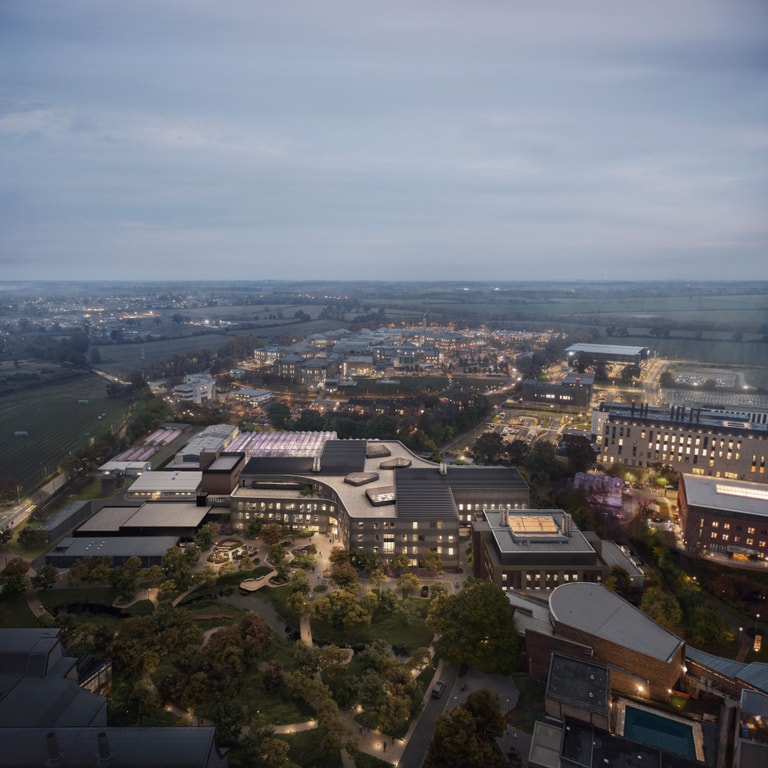
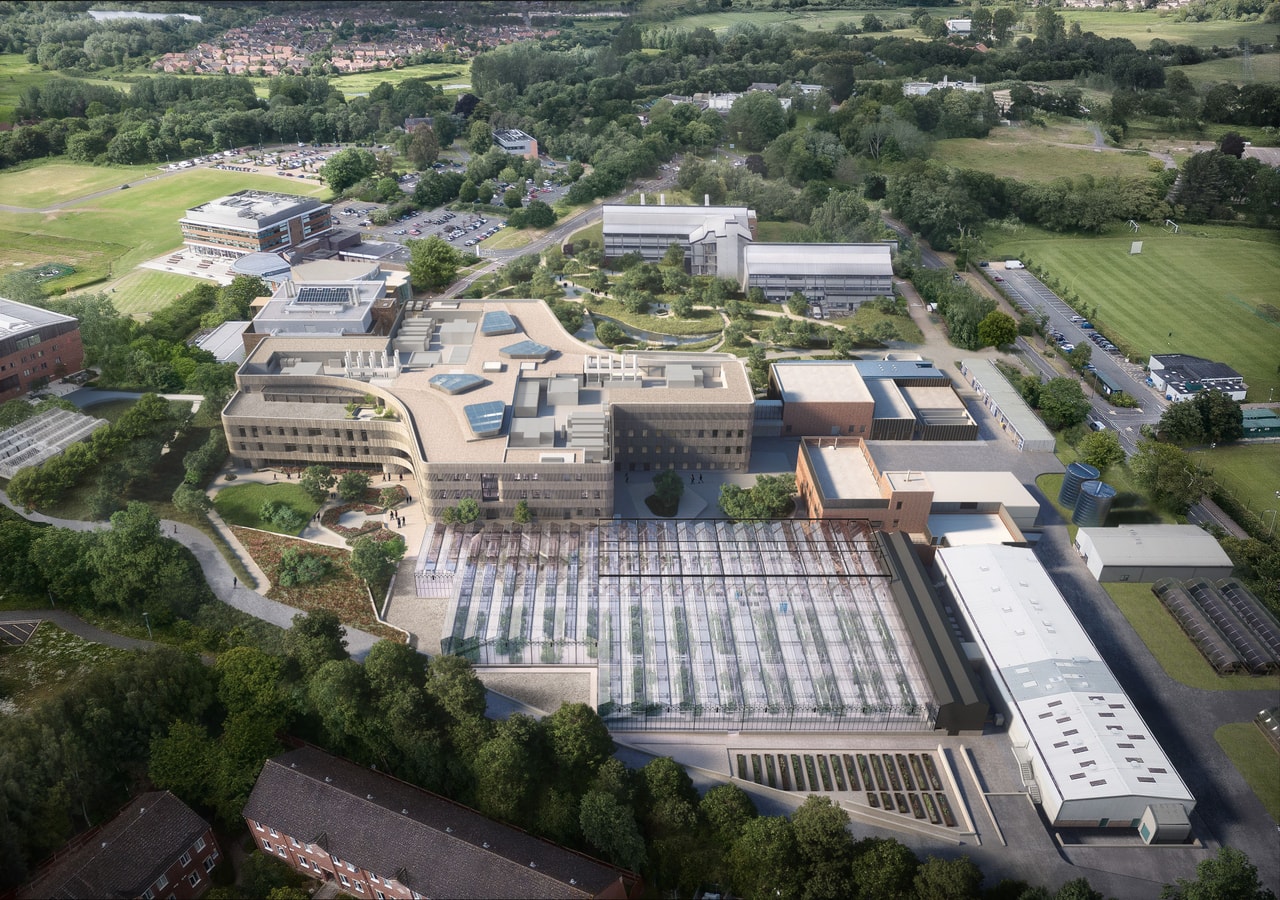
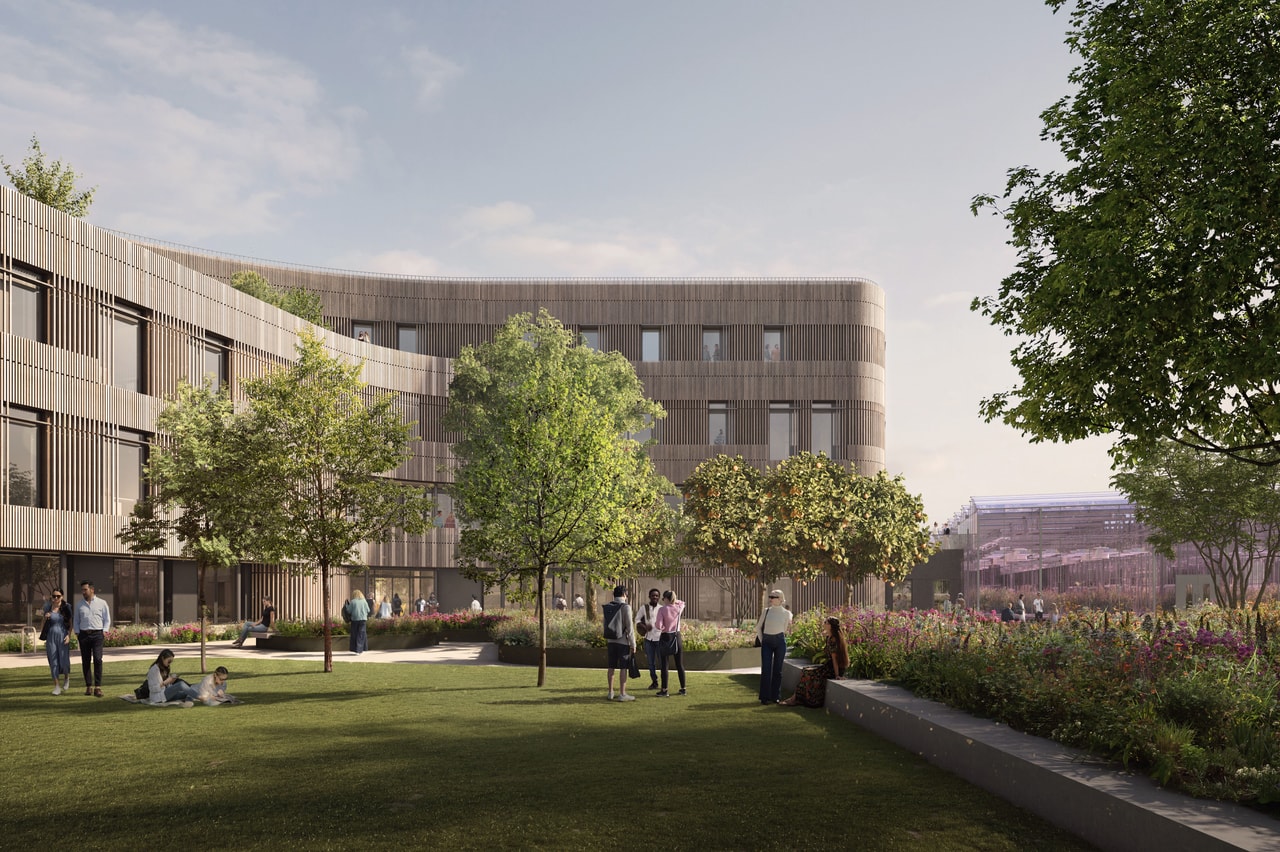
Based at the Norwich Research Park, this state-of-the-art plant and microbial research facility will supercharge the institutes’ ability to translate scientific knowledge into practical solutions, while sharing knowledge, facilities, networks and experience with others nationally and internally.
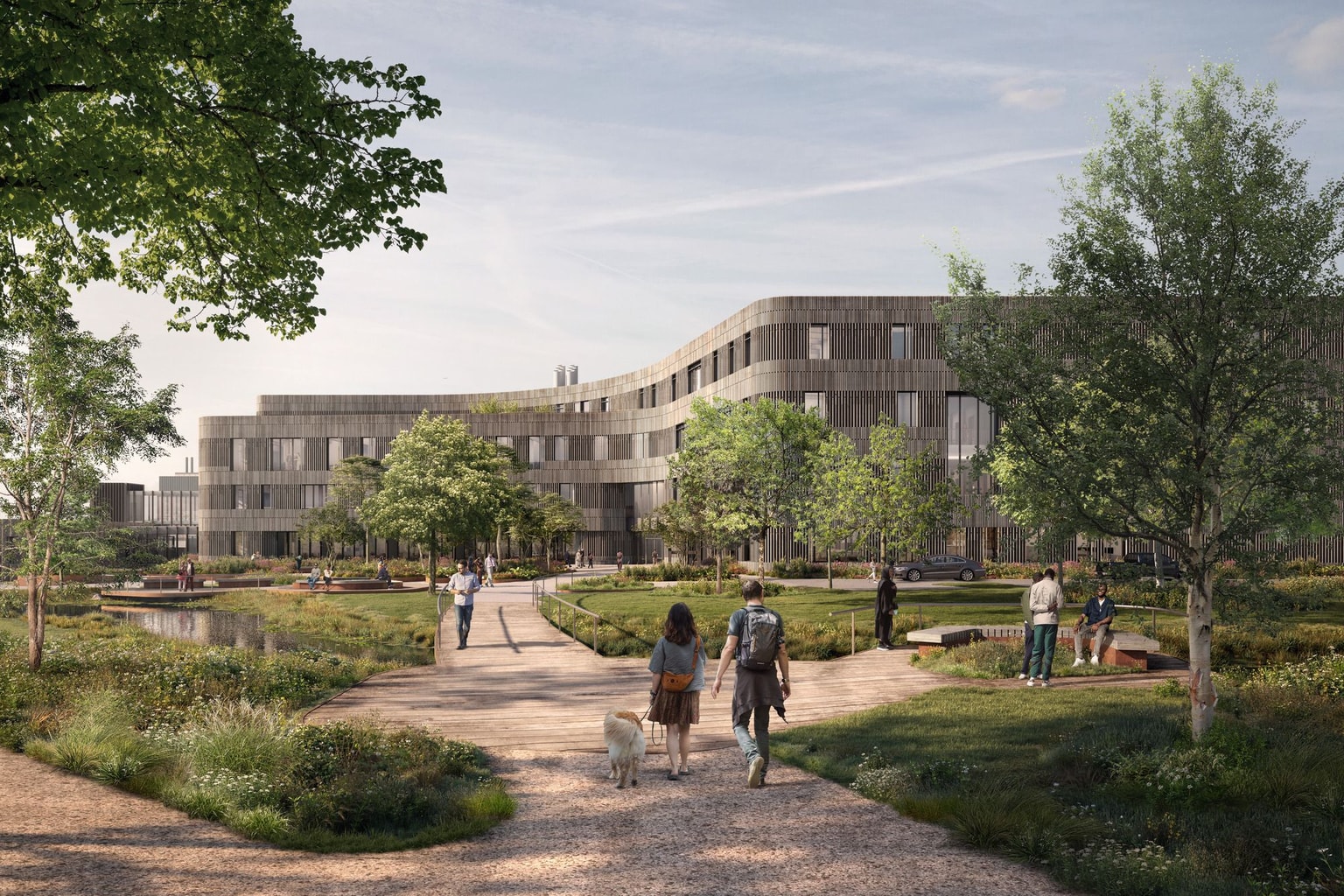
The proposed design will transform the Norwich Research Park, creating a new public space in the heart of the Park which improves connectivity with neighbouring academic and industry partners forming a unique cluster of world class research institutions.
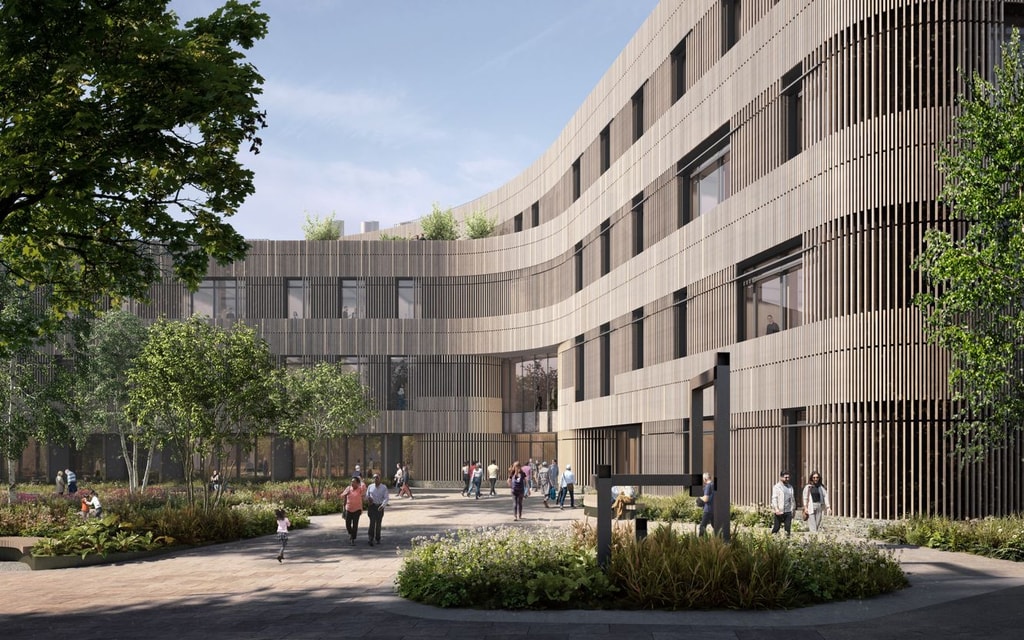
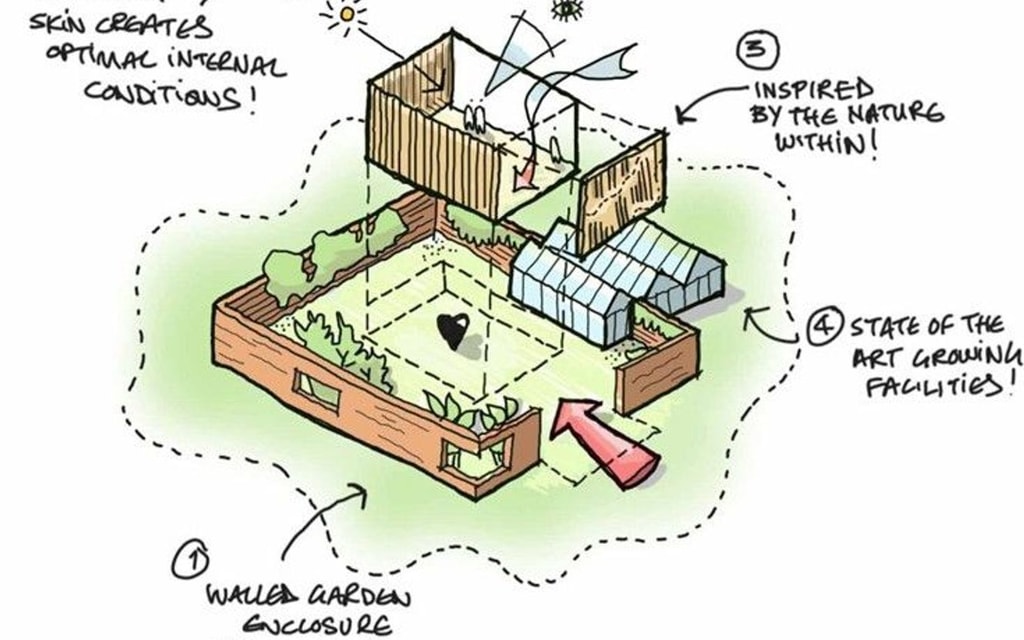
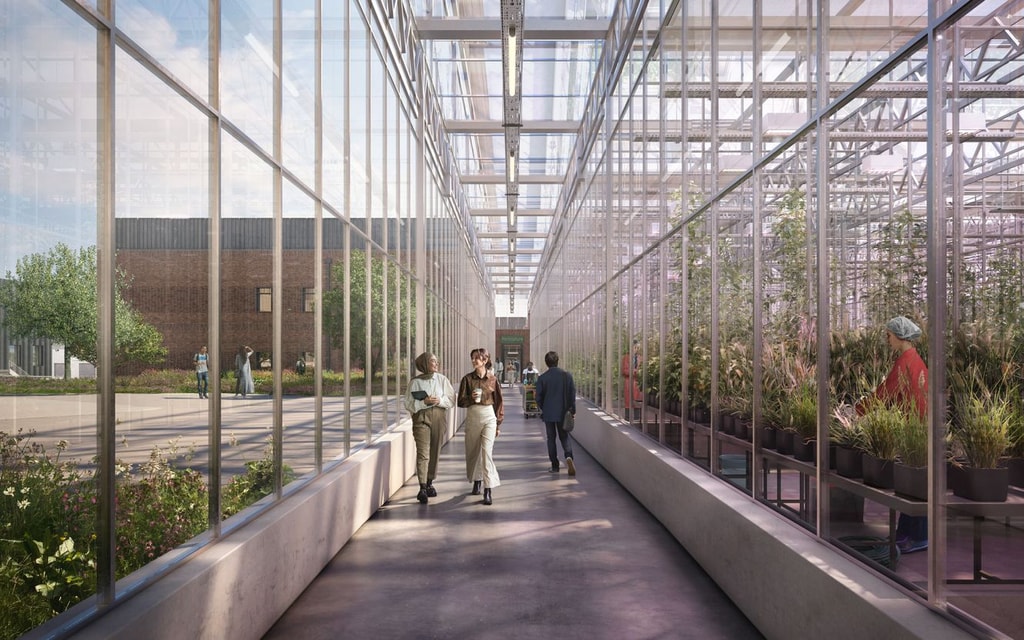
The approach to site was developed around ‘Linking Gardens’, focusing on enhancing the local ecology and linking people through external and internal spaces, both are fundamental to the ethos of JIC and TSL, and their work.
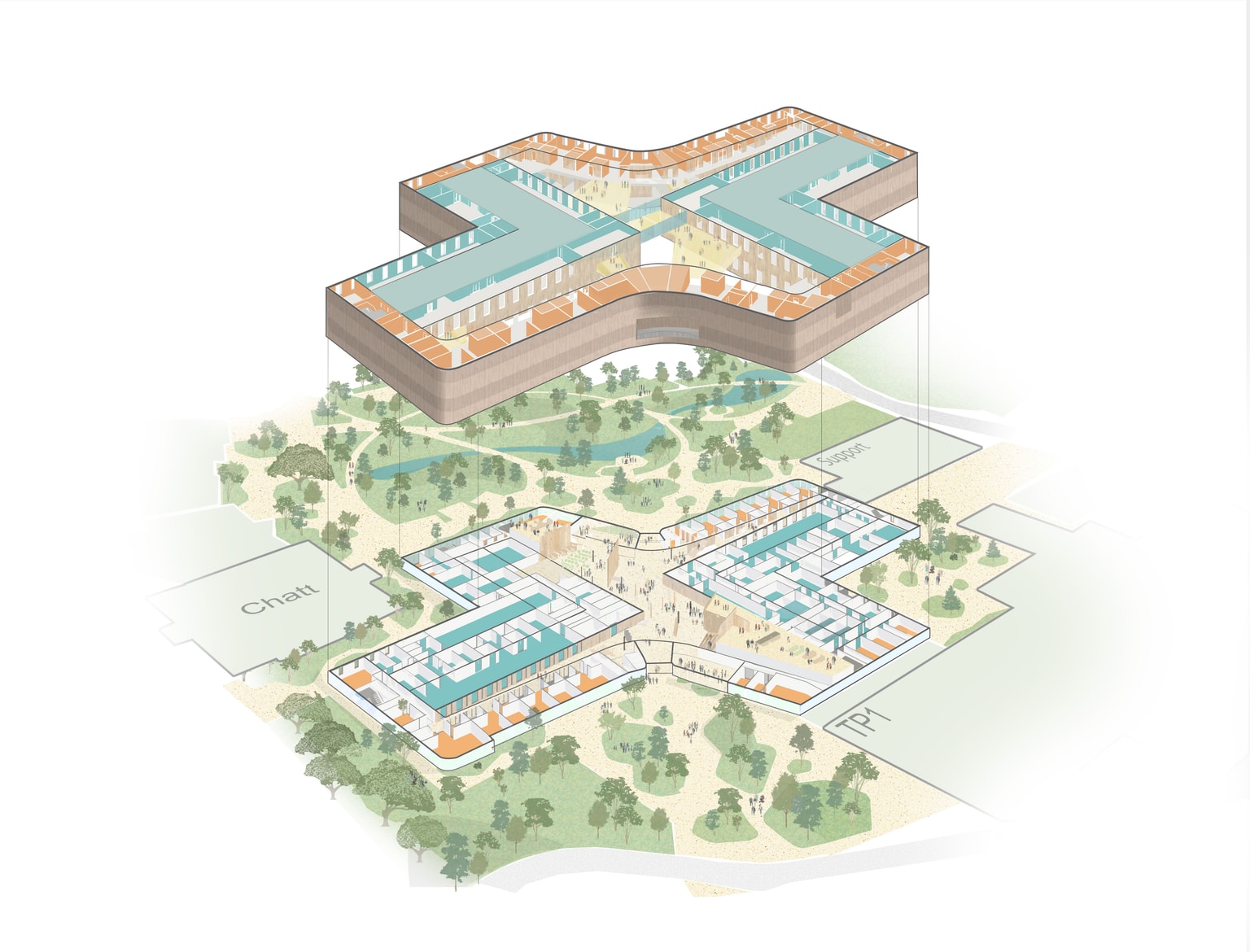
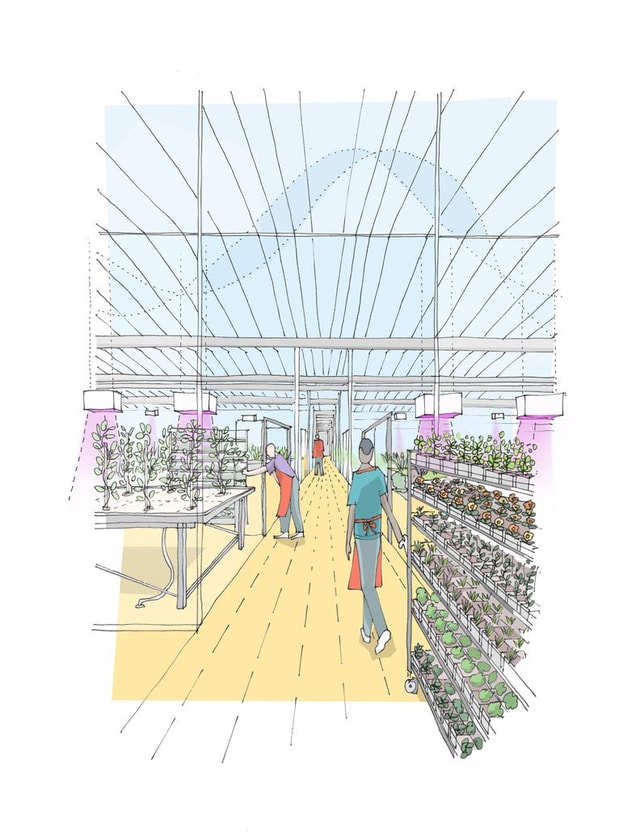
Our design features a combination of research and office spaces alongside modern horticulture facilities and glasshouses, all connected by a central public outreach gallery. These spaces will cater to the staff, students and specialised research needs of JIC and TSL.

"This major programme will develop a state-of-the-art facility at the heart of the Norwich Research Park, enabling us to simulate future climate scenarios, integrate molecular and environmental data at scale, and to perform controlled studies of plant-microbe-insect interactions.
By driving next-generation discovery and translation, and providing a nationally accessible facility supporting academic researchers, government partners and industry collaborators the Next Generation Infrastructure will enable us to accelerate discovery across plant and microbial science to help tackle the world’s most critical challenges."

“It is incredibly exciting to see our ambitious vision for transforming global agriculture through innovation take shape, which will drive our progress toward a safer, healthier, and more sustainable future through plant and microbial science. This new development will enable us to harness the collaborative environment on the Norwich Research Park and create a unique asset for UK science and innovation."
A key focus is on achieving net zero carbon in construction and operation, in advance of the UK government and UKRI Sustainability Strategy goals. The Main Laboratory Building design is targeting verification to the UK Net Zero Carbon Buildings Standard. This vision was developed through close collaboration with JIC, TSL, and BBSRC.
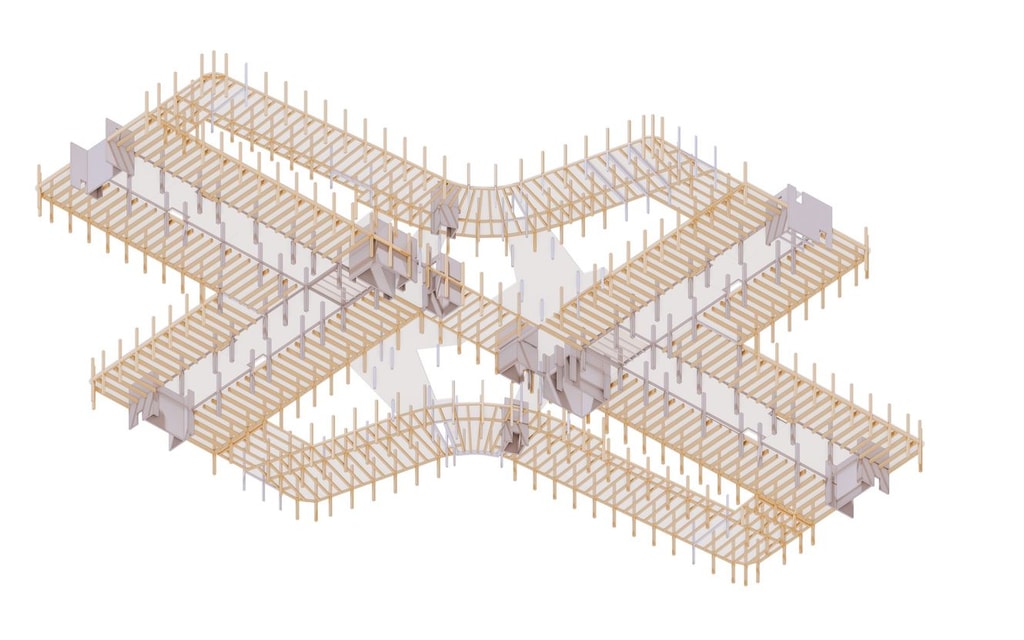
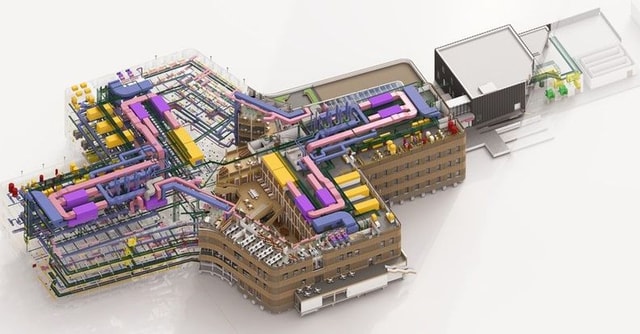
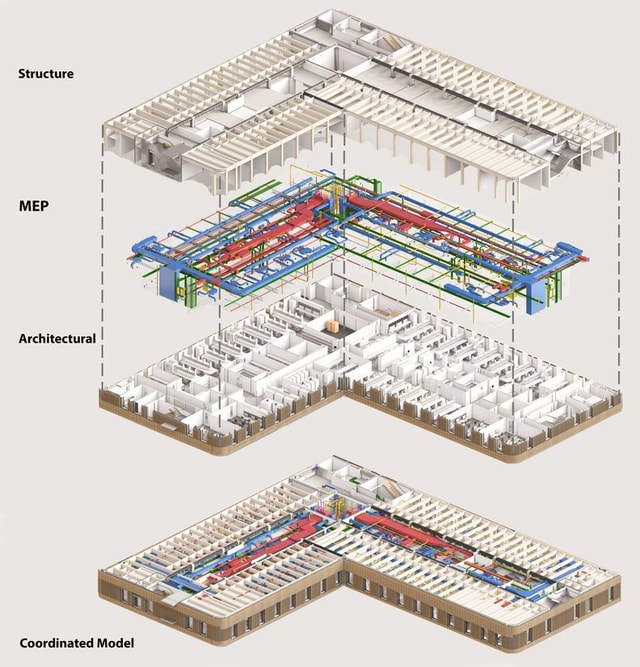
To reduce carbon emissions, we’ve employed an optimised structural approach. A hybrid timber and concrete frame for the building, ensures a significant reduction in embodied carbon. The design also integrates low embodied carbon and energy-efficient approaches to lighting, heating and cooling and renewable energy generation from near-site solar power to deliver zero-carbon energy for the building.
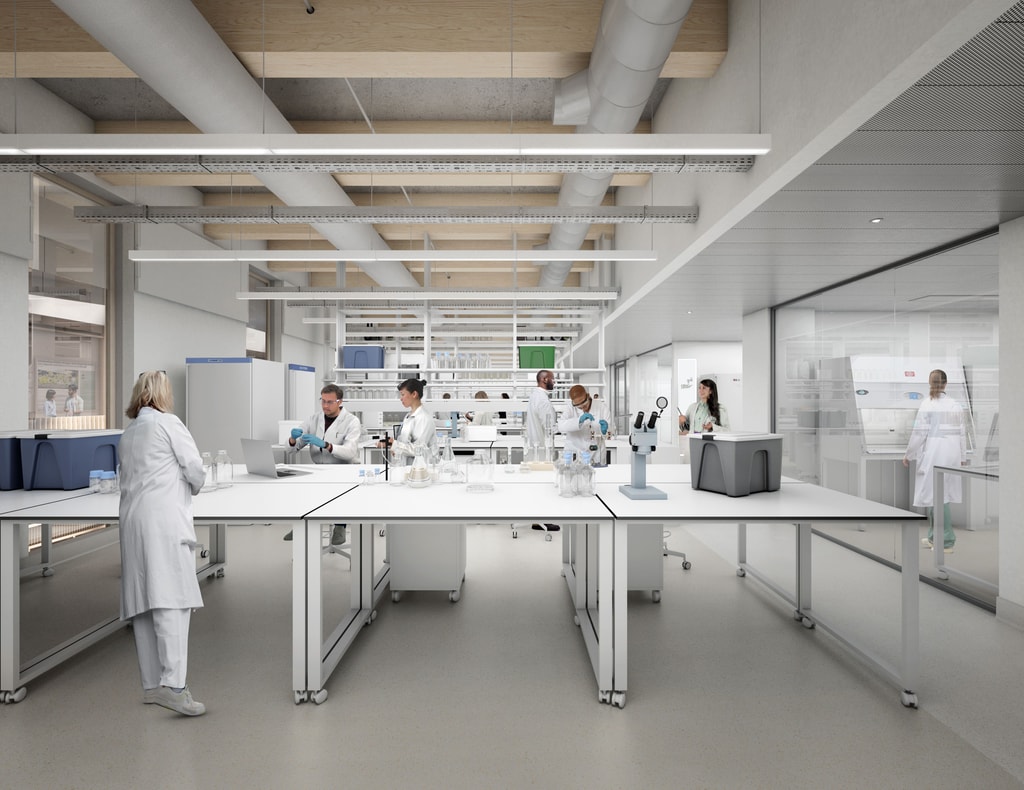
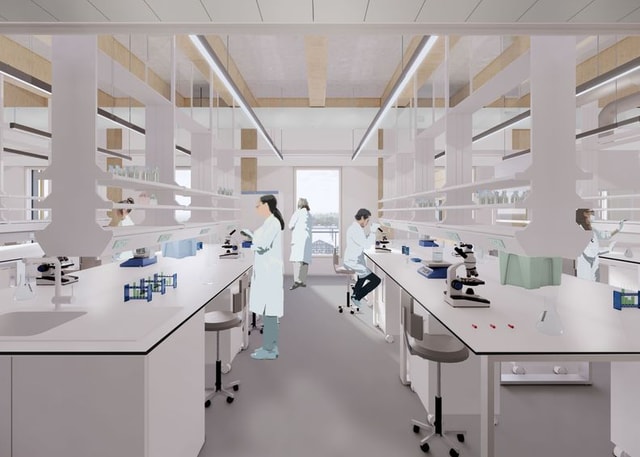
Together with JIC & TSL, we’ve created a blueprint for a cutting-edge research space that combines the power of big data, and computer modelling with practical lab work. The facility will include advanced resources for genetic technologies, biophysical analysis, and microscopy, supporting their mission to secure a safer, healthier and more sustainable future.
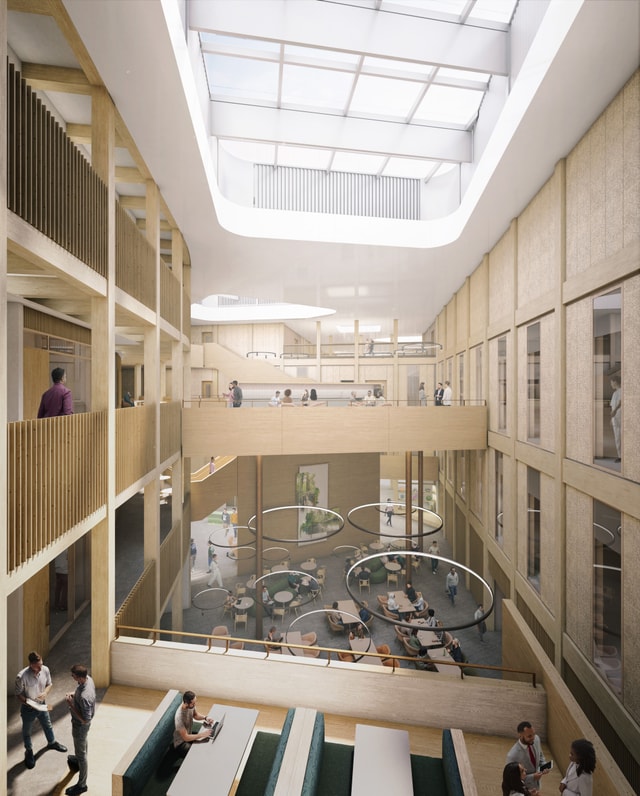
In addition to enhancing research capabilities, the design prioritises biosecurity, safety, and operational efficiency. A flexible laboratory layout and by creating 'neighbourhoods’ within the design will enable interdisciplinary collaboration and knowledge sharing, with the capacity to adapt to the changing needs of research teams.
Social areas and meeting spaces are at the heart of the building, promoting informal meetings to cross-pollinate ideas.
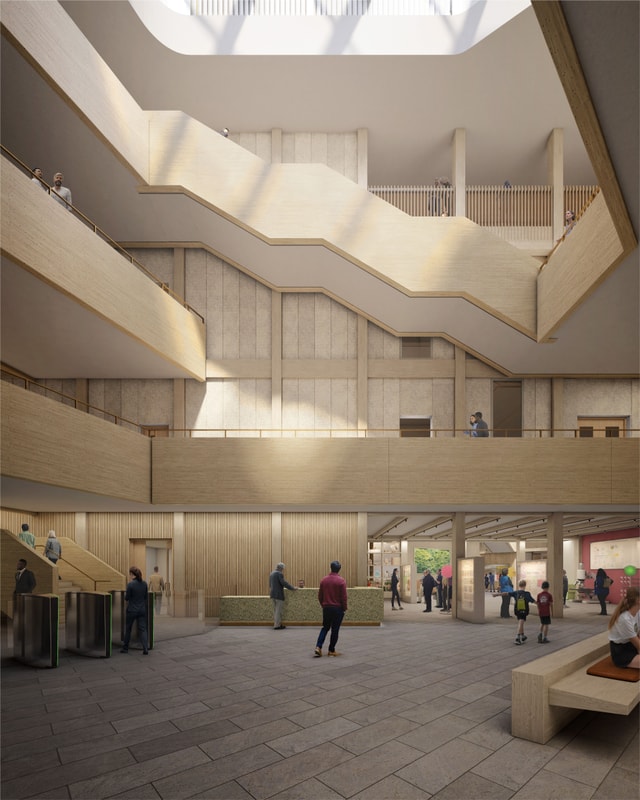
The facility will also provide opportunities for external commercial collaboration, expanding its impact. The Next Generation Infrastructure programme represents both scientific innovation and environmental responsibility, setting a benchmark for future research facilities.
Through this purpose-built space, BDP is helping JIC and TSL maintain their leadership in plant and microbial science, while contributing to future innovations in human health and sustainable agriculture.
upfront embodied carbon
operational energy
annual energy usage
PV array annual generation
carbon saved

“This represents a real opportunity to establish a world-leading global interdisciplinary hub for plant and microbial sciences that will help deliver the bio-based solutions needed to address global challenges around sustainable agriculture, food, nutrition and health.”
offsite generation of electricity
the largest net zero carbon laboratory in the UK
reduction in operational carbon

“We have been working with JIC/TSL from the germination of the project to define and review options for the buildings that demonstrates collaborative working, scientific impact and innovation, public engagement, education, training, and efficiency. Our design and engineering team is bringing increased focus on reducing embodied and operational carbon emissions, creating environments needed for ground-breaking scientific endeavour while also meeting the technical requirements of JIC and TSL’s teams.”