Abeja District Interiors
- Location
- Vaughan, Canada
- Client
- Cortel Group
- Expertise
- Architecture
- Interior Design
- Completion
- 2026
- Size
- 739,400 sf
At Abeja District, the interiors were never conceived as isolated amenity spaces. Instead, they were designed as a direct extension of the architecture and landscape, reinforcing the project’s vision for a socially connected residential community centred around a vibrant shared courtyard and integrated public realm.
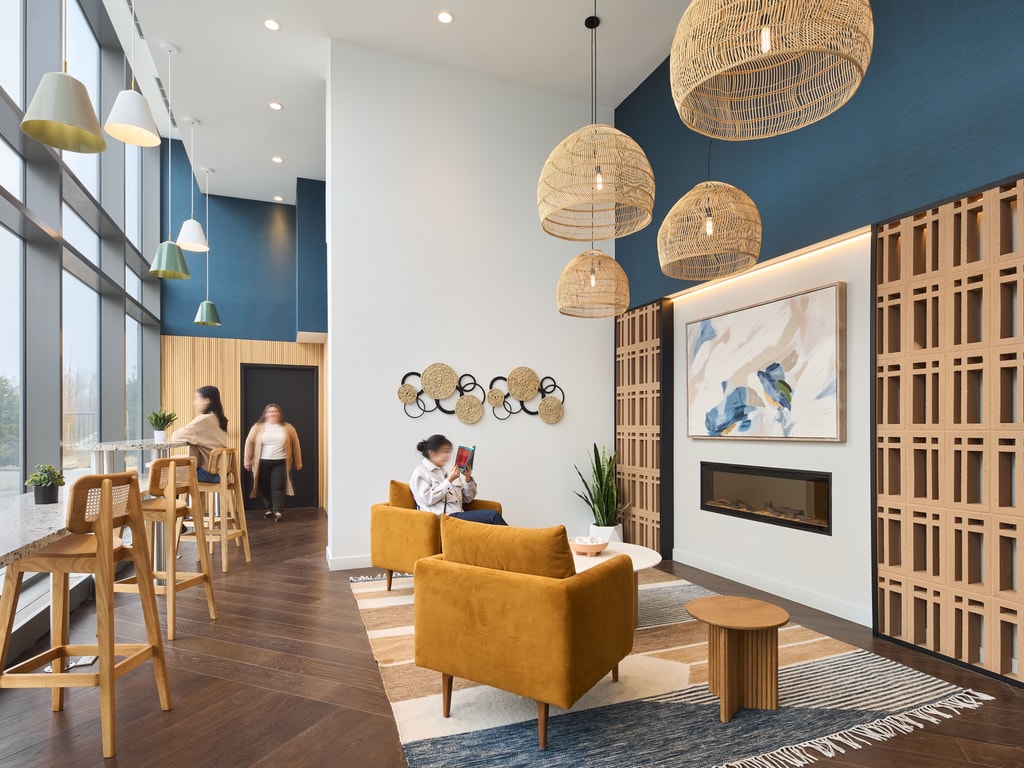
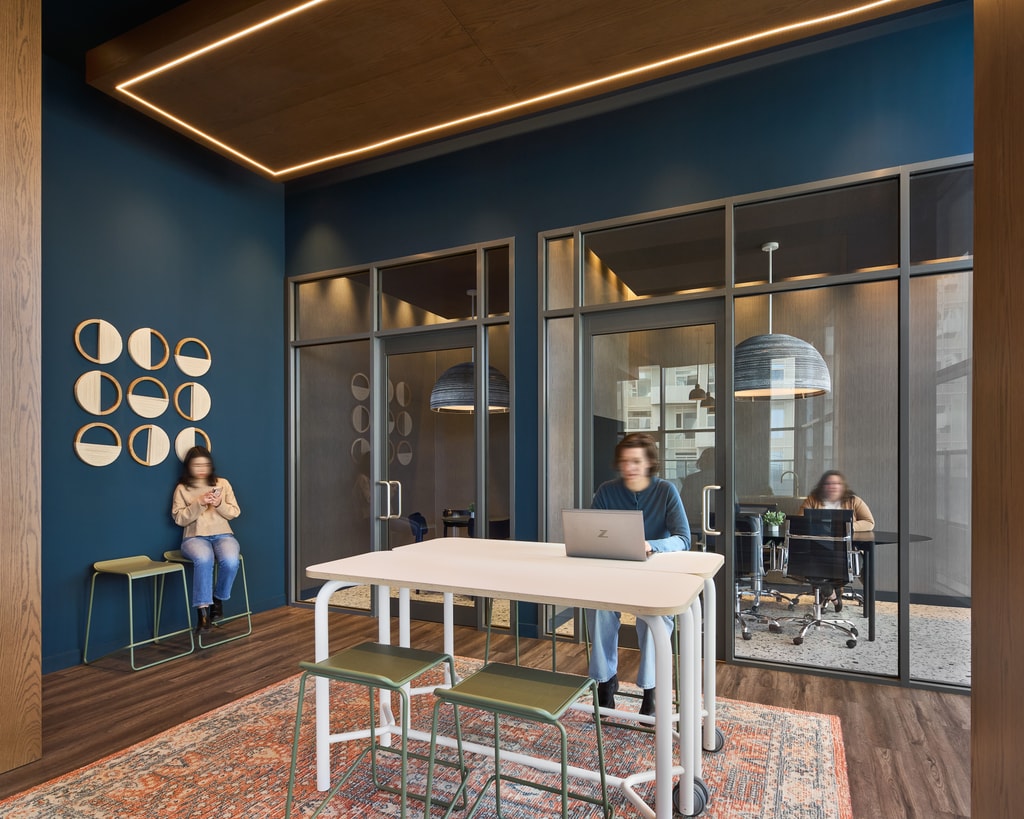
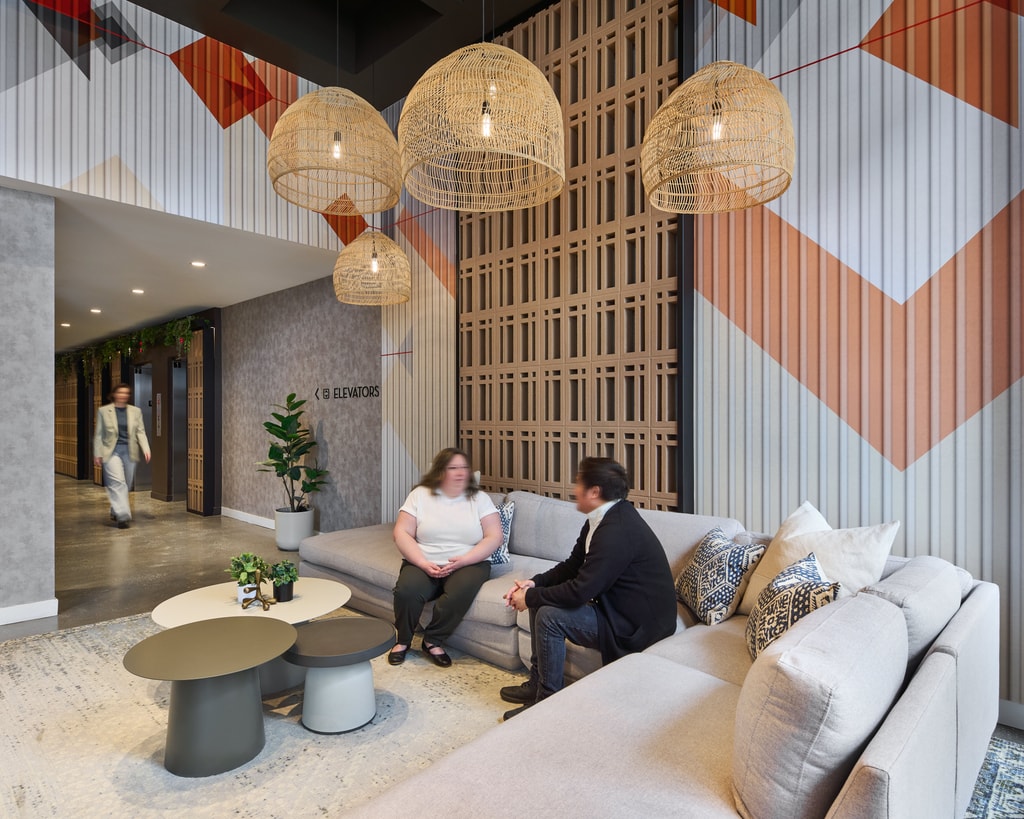
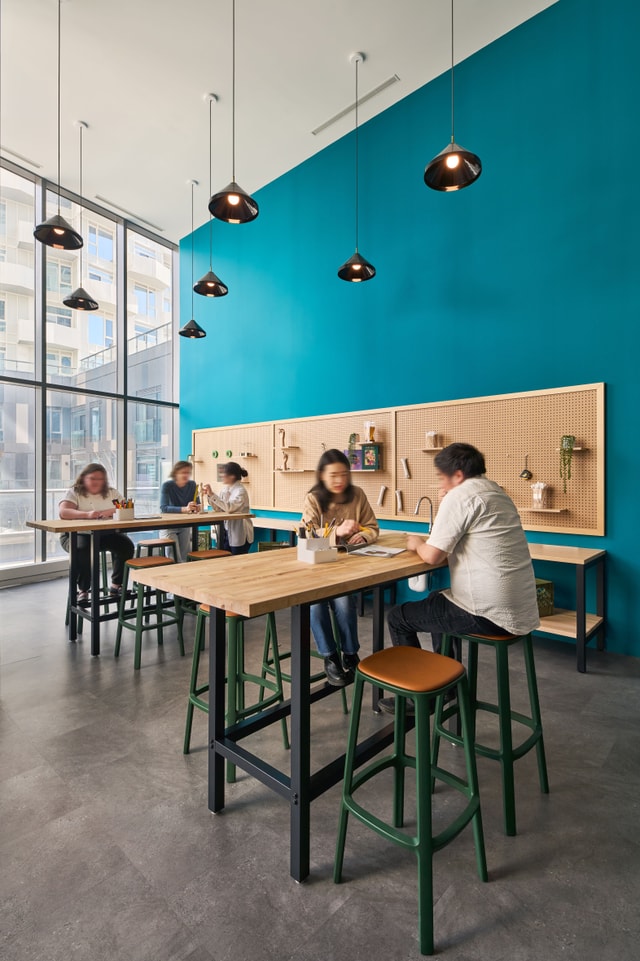
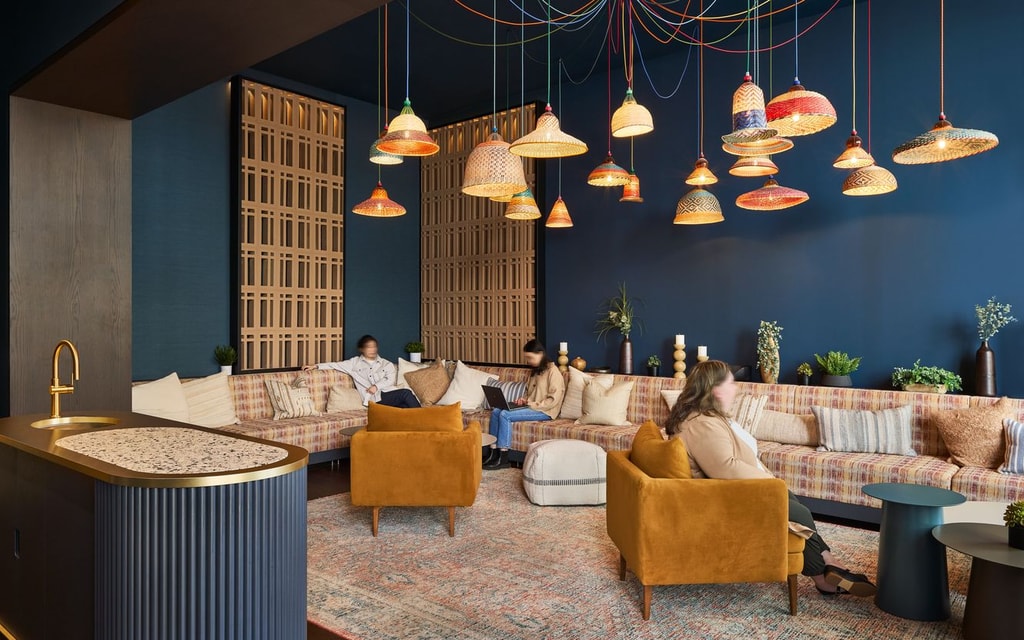
Designed by BDP Quadrangle for Cortel Group, the mixed-use development at Jane Street and Rutherford Road in Vaughan, Canada rethinks the suburban residential block through a layered composition of public, semi-public and private spaces. Three residential towers rise from a shared podium organized around an elevated courtyard, creating a contemporary “village square” that encourages interaction, movement and community. The interiors carry this vision inward, shaping spaces that are visually connected, tactile and deeply rooted in everyday social experience.
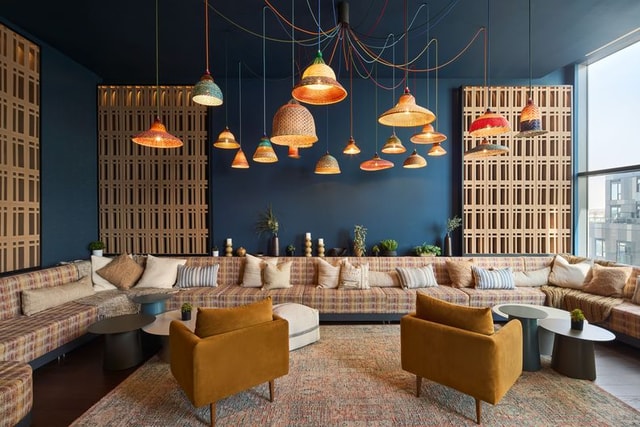
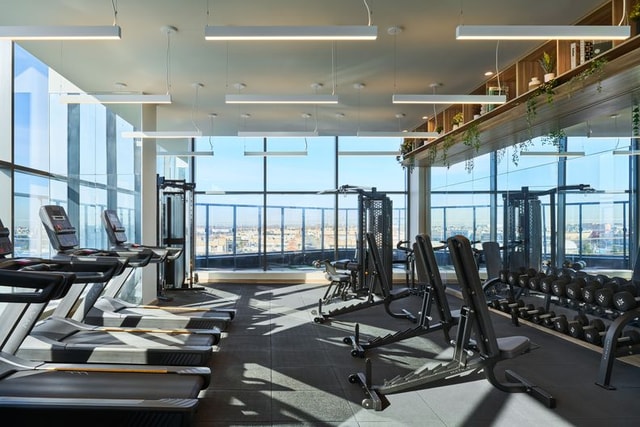
Inspired by the project’s namesake, abeja, the Spanish word for “bee,” the interior design draws from the communal logic of a beehive and the social nature of traditional Spanish courtyard blocks. Amenity spaces including co-working lounges, wellness facilities, social hubs and fitness areas all orient toward the central courtyard, allowing residents to remain visually and socially connected to the activity unfolding throughout the community.

“From the beginning, we wanted the interiors to feel socially alive, spaces that encourage interaction, connection and a sense of belonging. The design draws people toward the shared courtyard and constantly reconnects residents to light, landscape and one another. Rather than creating isolated amenity rooms, we focused on creating an experience of community woven throughout the entire project.”
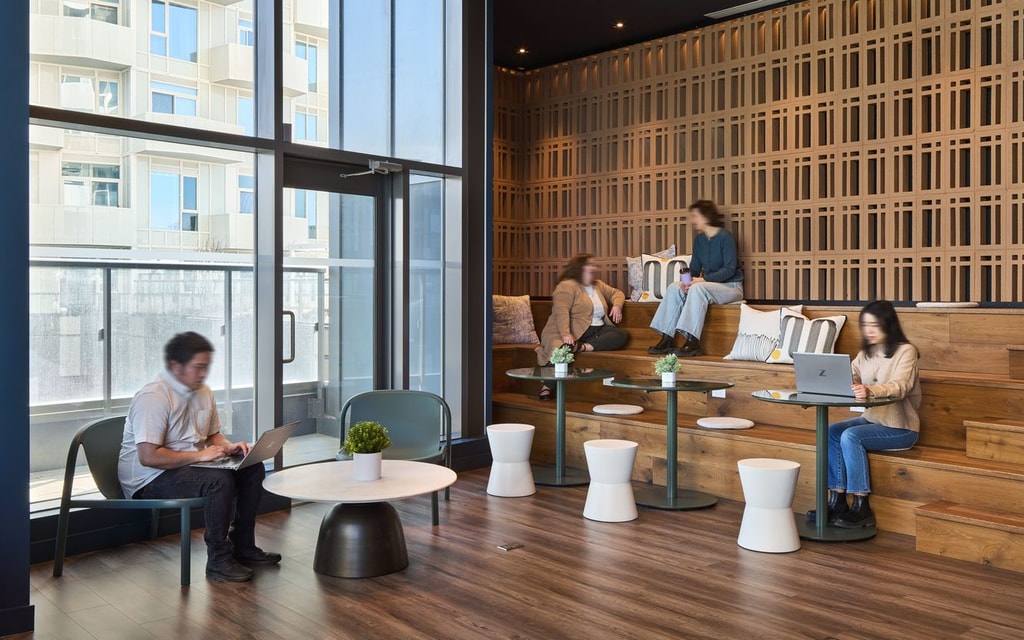
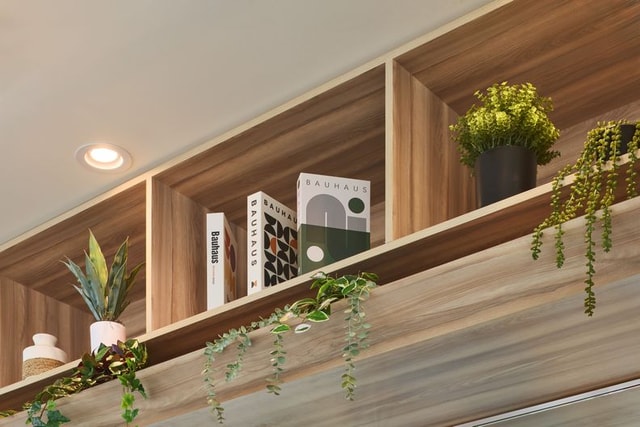
The interior design was guided by four key principles: light, pattern, colour and nature. These themes translate the rhythm and materiality of the architecture into the interior experience through warm wood finishes, textured materials, large-scale wallcoverings and integrated planting. Each tower is associated with its own distinct colour identity, while the shared amenity spaces unify the broader development through a cohesive material and visual language.
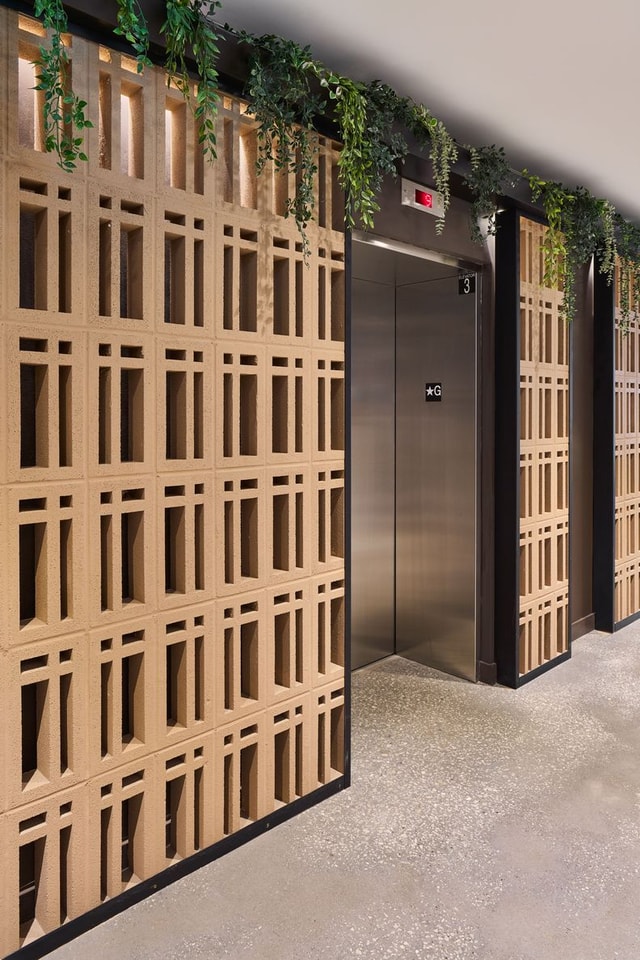
A defining feature throughout the interiors is the use of sculptural breeze blocks integrated alongside walls and gathering spaces. These elements filter light, create moments of transparency and shadow and introduce texture and movement throughout the project. Internally, the breeze blocks echo the architectural façade strategies, where layered balconies, perforated screens and patterned window wall systems create depth and rhythm across the exterior expression.

“The relationship between the architecture and interiors was very intentional. We approached the project as a unified design language where the materiality, rhythm and spatial experience of the architecture continue seamlessly into the interior spaces. The interiors reinforce the same ideas of layering, openness and community that define the public realm and architectural expression.”
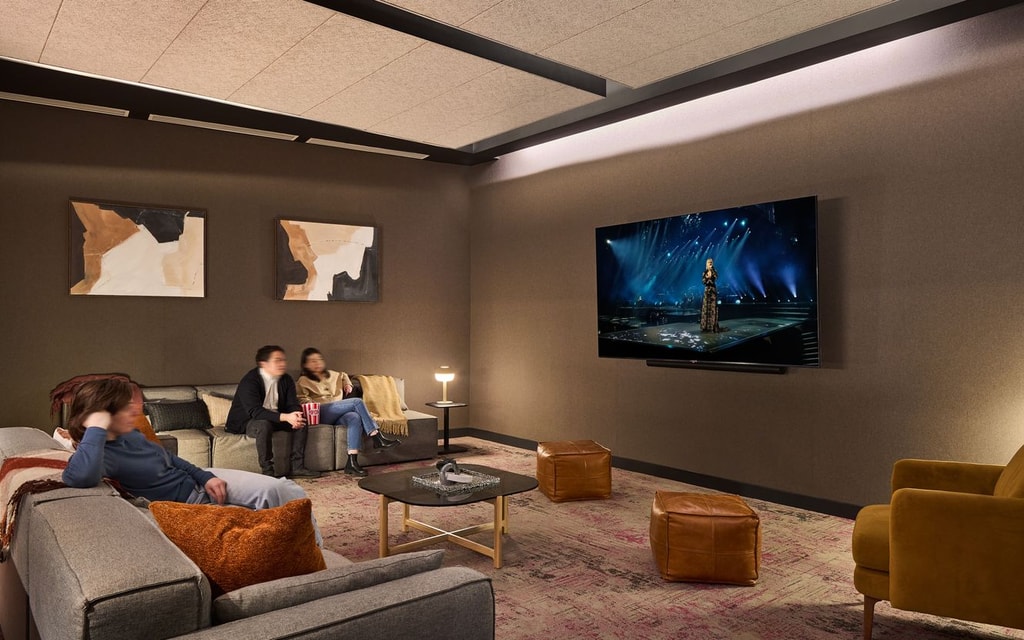
This integration extends beyond aesthetics. The interiors were designed to support accessibility and inclusivity through seamless connections to the elevated courtyard and the project’s fully accessible “gentle walk,” which links the public realm to shared outdoor amenity spaces above. Residents and visitors move fluidly between indoor and outdoor environments, strengthening the sense of an interconnected community.
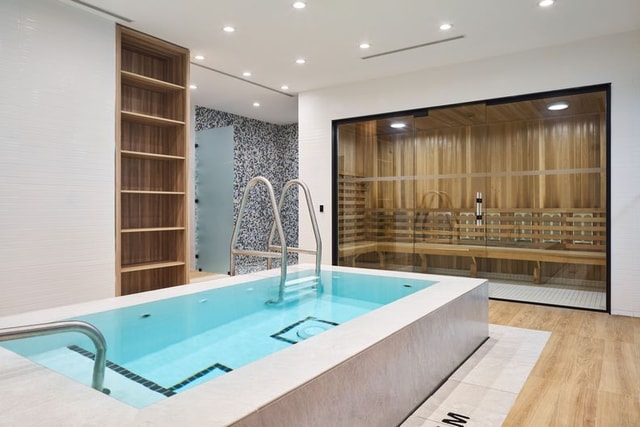
Amenity programming throughout Abeja District supports a broad range of resident experiences, including co-working hubs, theatre and workshop spaces, yoga and fitness studios, wellness amenities and social lounges. Together, these spaces create an experiential environment that extends the architecture’s emphasis on community into daily life.
The design process also required close collaboration between the interior and architectural teams to preserve the integrity of the original concept while adapting to technical and construction realities. When the original breeze block system was modified, the team worked closely with consultants, contractors and masons to develop custom installation solutions that maintained the intended visual rhythm and material richness of the design.
At Abeja District, the interiors ultimately become more than a collection of amenity spaces. They operate as an extension of the architecture, landscape and public realm helping transform the development into a vibrant, inclusive community that establishes a new model for residential living in Vaughan.