Westbend Residences
- Location
- Toronto, Canada
- Client
- Mattamy Homes
- Expertise
- Architecture
- Interior Design
- Sustainability
- Completion
- 2026
- Size
- 12,431 sq m
Located steps from Toronto's High Park and adjacent to Keele Station, Westbend Residences reimagines condominium living through an integrated architectural and interior design approach that prioritizes warmth, community and connection to place.
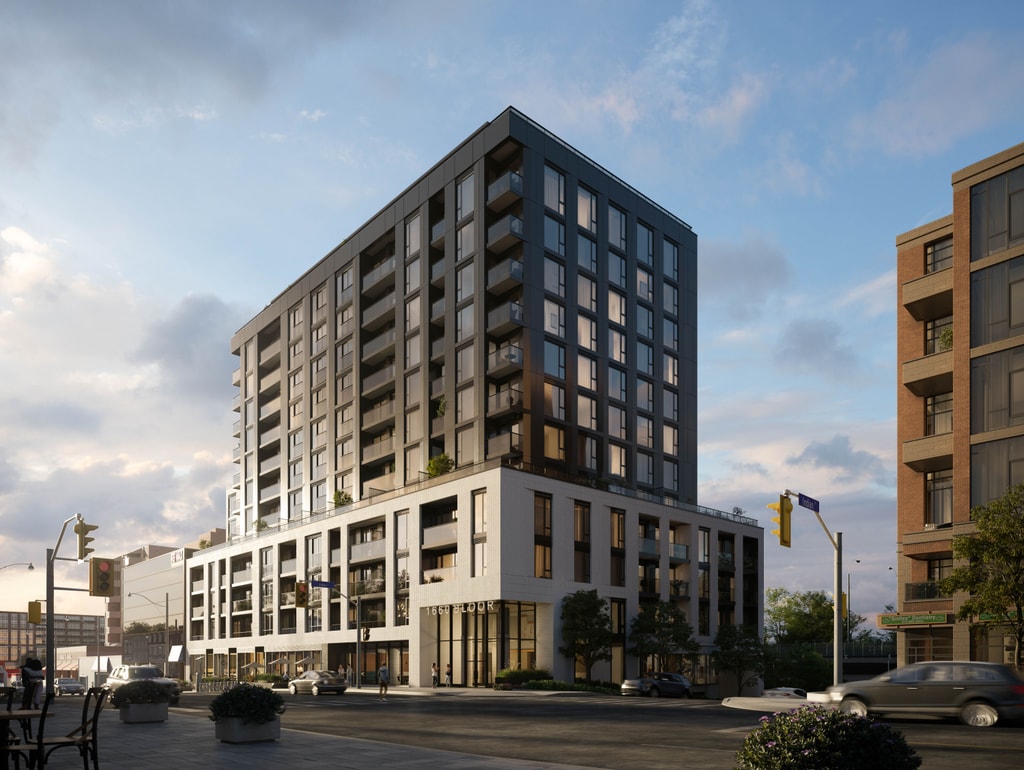
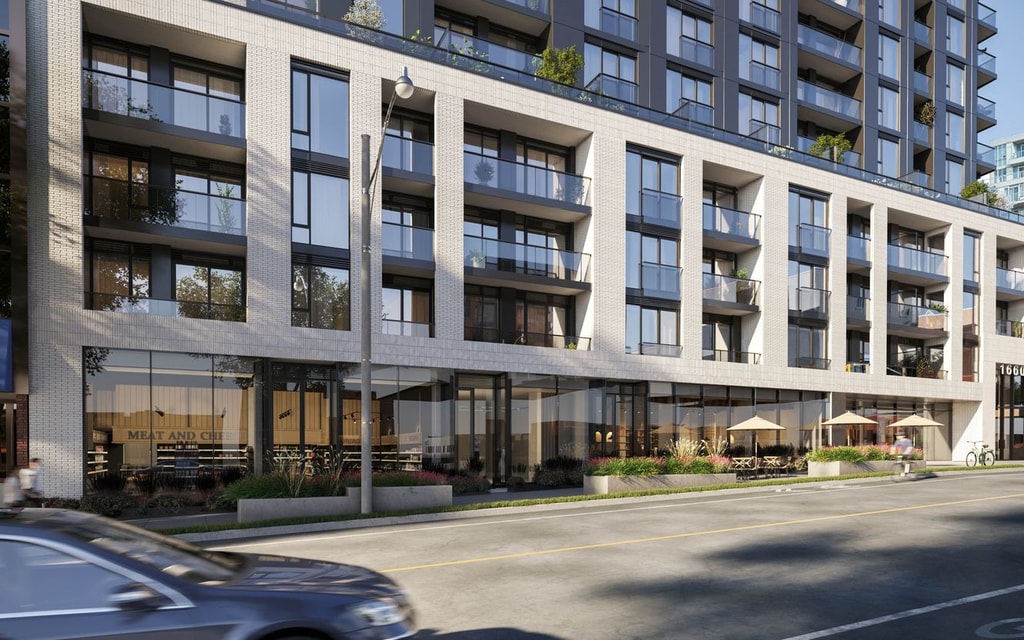
Designed by BDP Quadrangle for Mattamy Homes, the 13-storey mixed-use development transforms a former auto repair site into a sustainable residential landmark that is deeply rooted in the character of Bloor West Village. From the outset, architecture and interiors were conceived as a single design vision. Inspired by the neighbourhood's heritage masonry buildings, tree-lined streets and proximity to High Park, the project balances a contemporary urban presence with a welcoming residential atmosphere. The building's architecture establishes this dialogue through a light-toned brick podium that engages the pedestrian realm and a stepped dark metal tower that reflects the changing light and expansive views beyond. Inside, those same principles of texture, materiality and human-scaled design continue seamlessly.
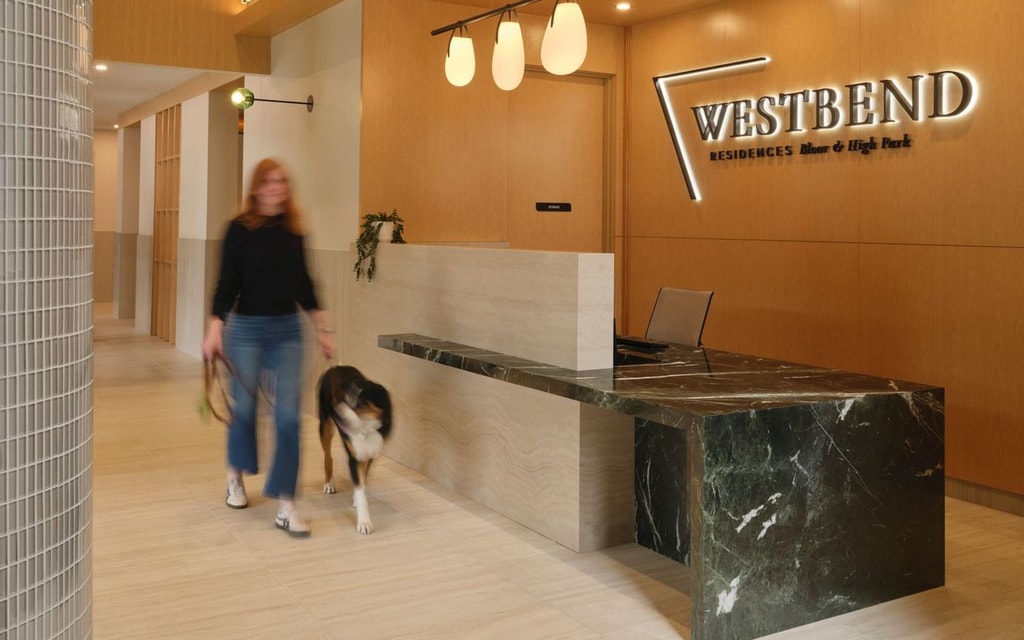
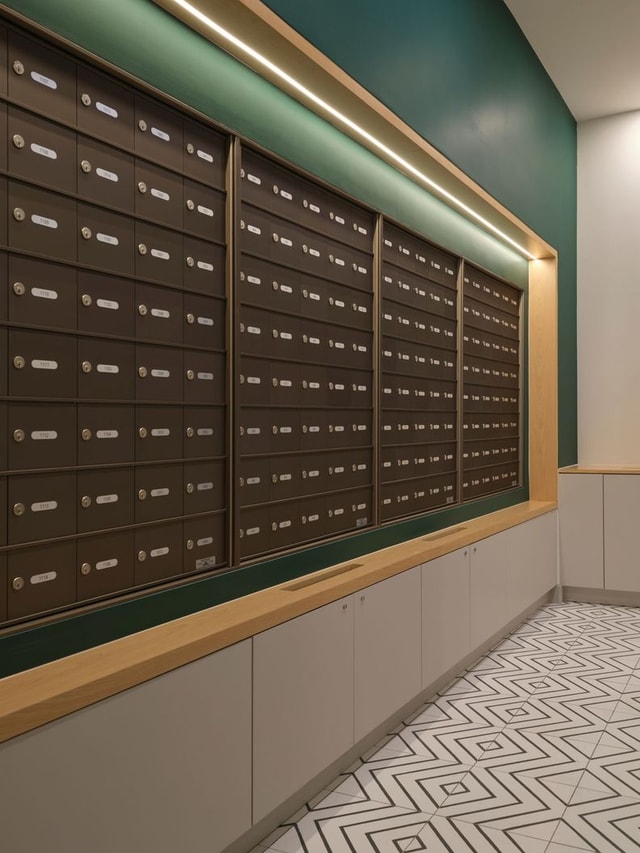
The connection between architecture and interiors begins in the double-height lobby, where materials and architectural gestures flow effortlessly from outside to in. The light-toned brick expression of the podium is reinterpreted through white brick tile, while black glazing mullions and bronze ceiling details extend the building's exterior language into the interior palette. Terrazzo-inspired flooring, warm wood panelling, woven textures and carefully curated lighting add depth and richness, creating an environment that feels more akin to a boutique hotel or residential living room than a conventional condominium lobby.

"Westbend Residences demonstrates the value of designing architecture and interiors as one continuous experience. The building's exterior establishes a strong relationship with the neighbourhood through its materiality, scale and form, while the interiors carry those ideas forward through texture, proportion and atmosphere. Together, they create a cohesive residential environment that feels connected to both the city and the people who live within it."
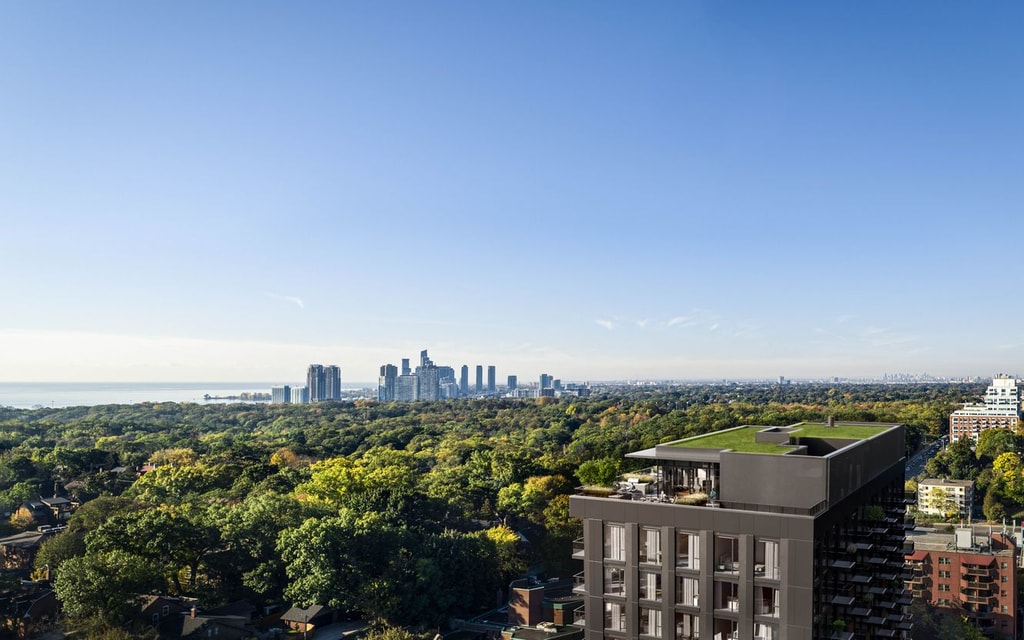
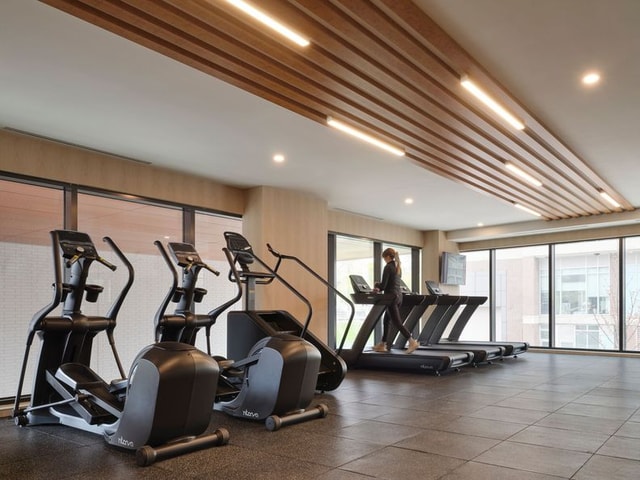
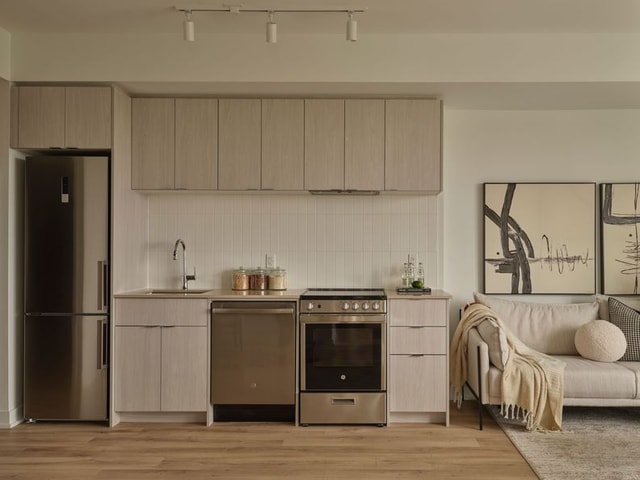
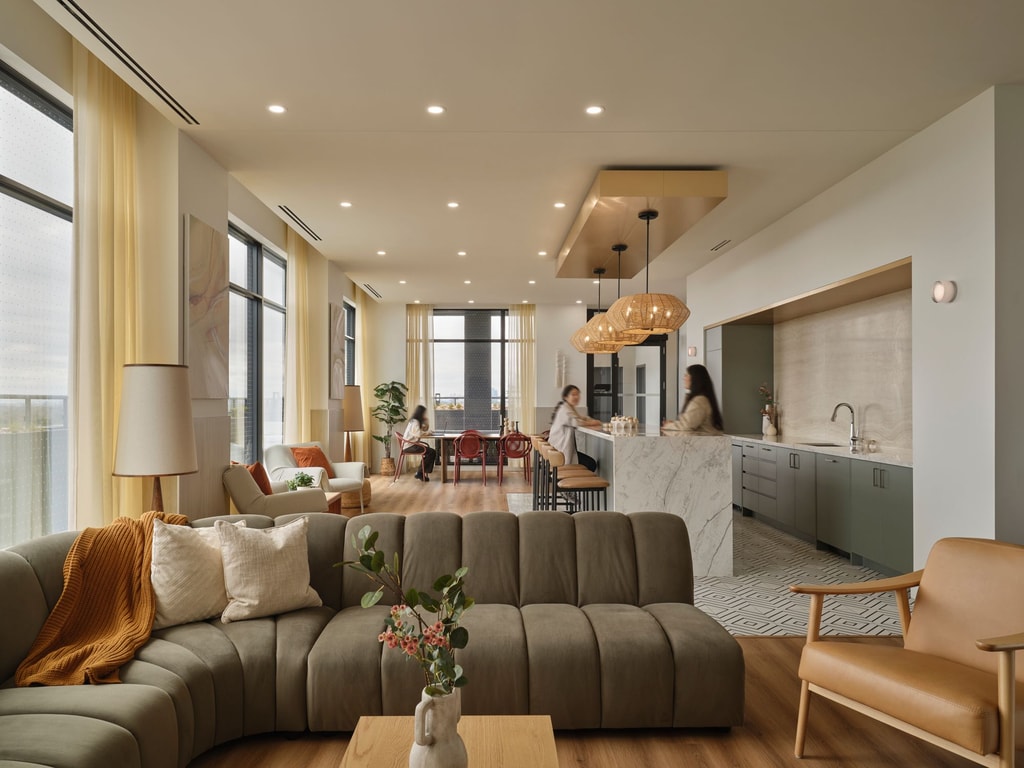
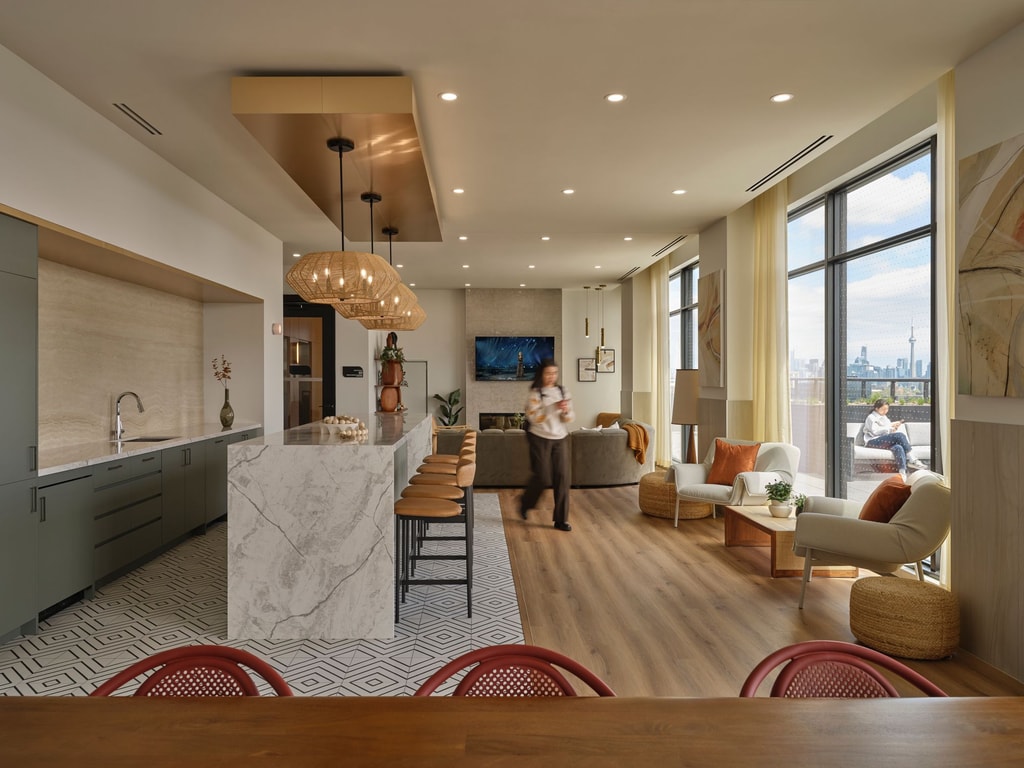
At the rooftop level, the relationship between architecture, interiors and landscape becomes even more pronounced. Expansive glazing frames sweeping views of High Park, Lake Ontario and the Toronto skyline, while indoor and outdoor amenity spaces blur the boundaries between shelter and nature. Entertainment lounges, dining areas, fireplaces, barbecue terraces and wellness spaces offer opportunities for both social engagement and quiet retreat above the city. Within the residential suites, carefully coordinated architectural and interior design decisions maximize liveability, daylight and spatial quality. Residents select from light and dark finish palettes, each offering a distinct yet timeless expression.
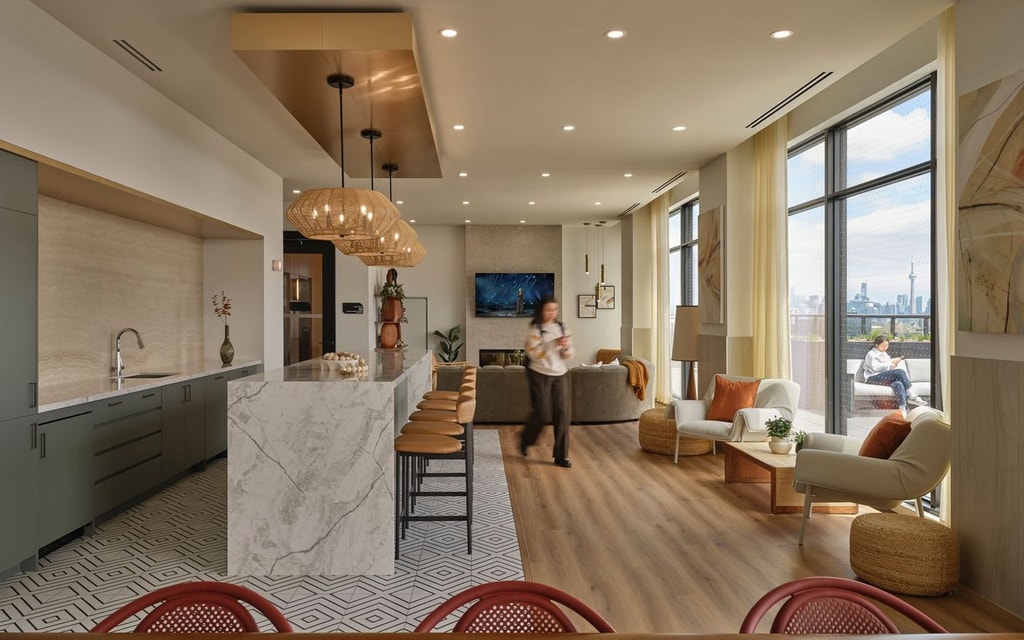
The result is a contemporary residential community that balances urban living with a sense of comfort, belonging and connection. Through a highly integrated design approach, Westbend Residences offers residents an experience that begins at the street and extends through every space of the building, one that is rooted in context, inspired by nature and designed to support everyday life.
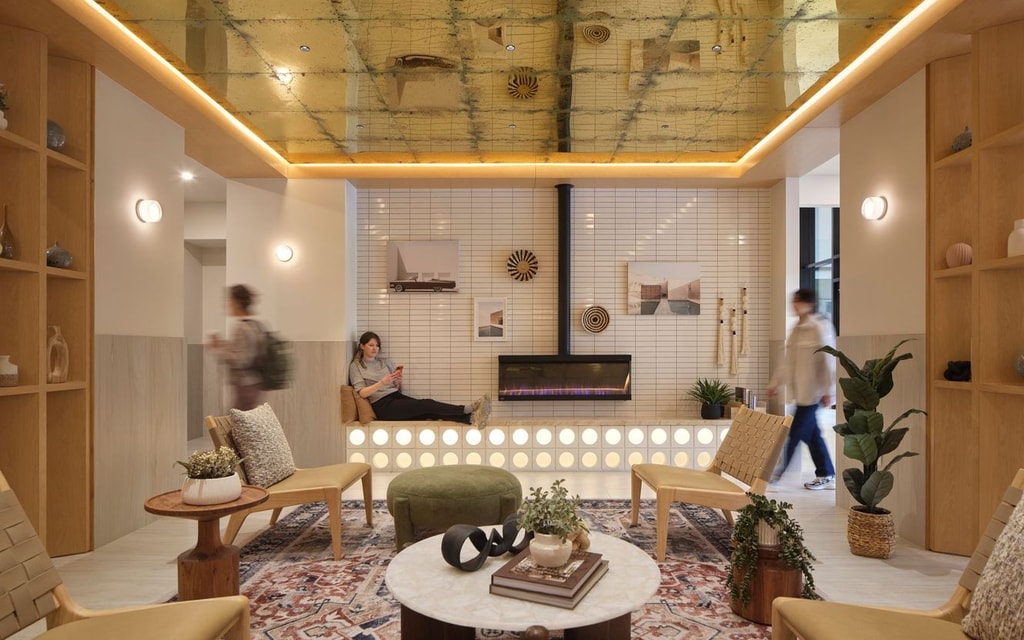
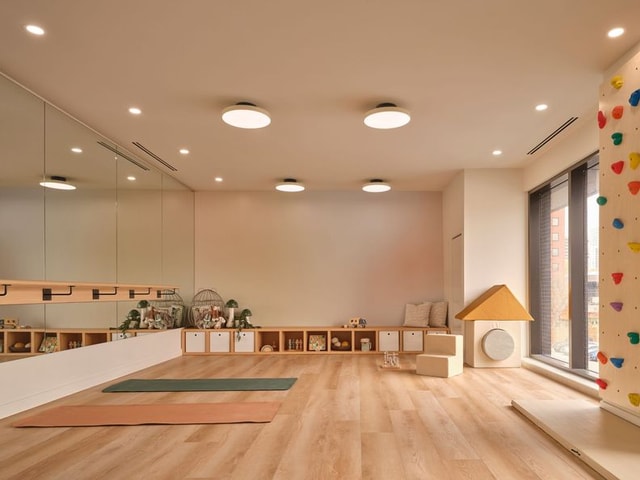
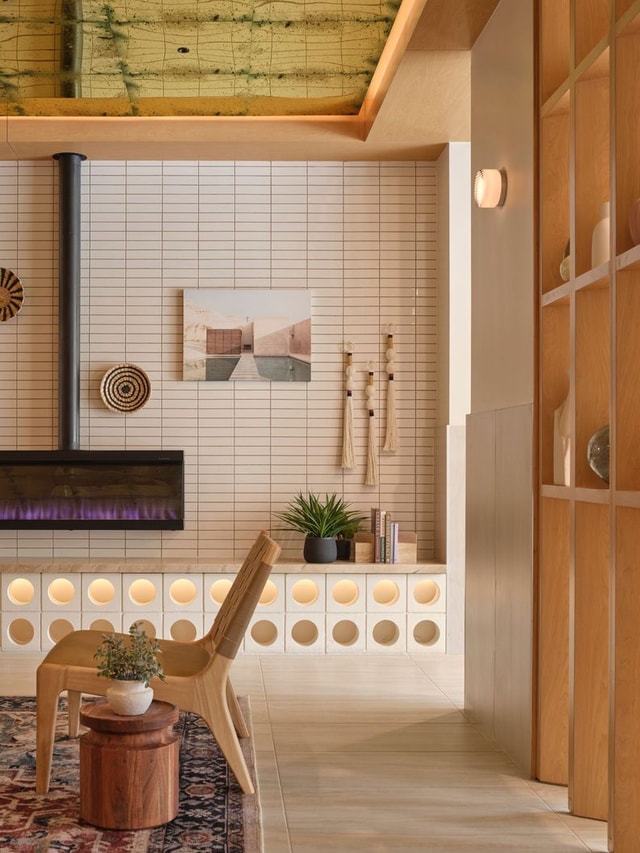
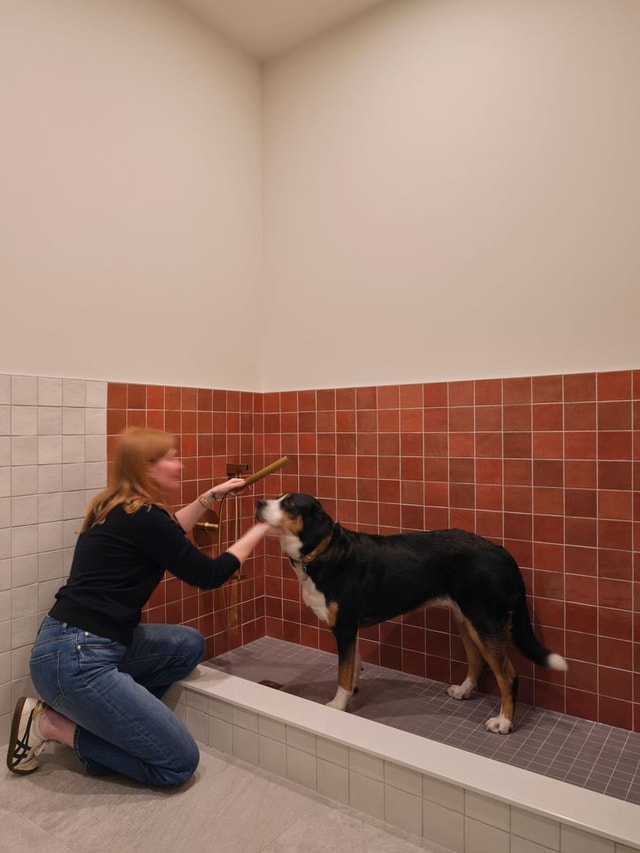
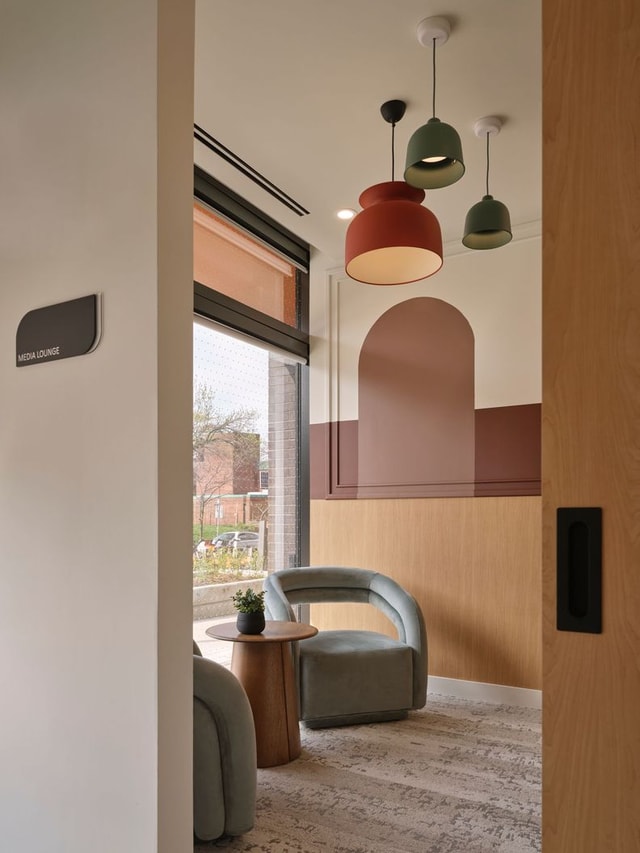
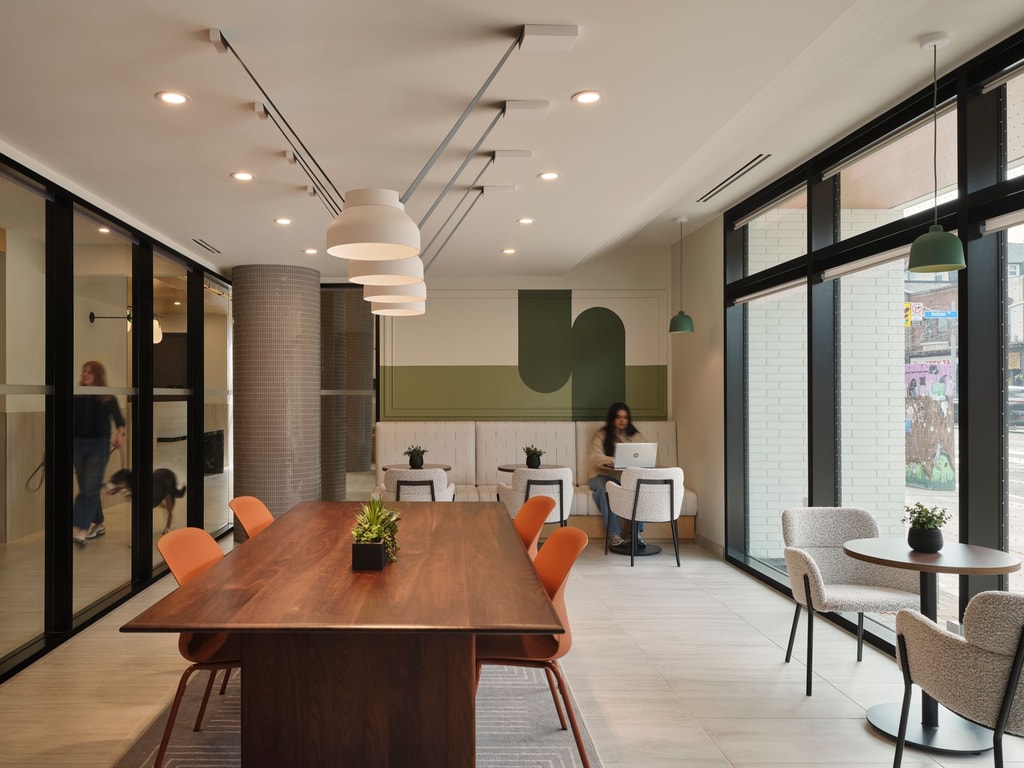
Throughout the amenity spaces, the interior design team challenged the notion of standard condominium amenities by creating environments that function as natural extensions of residents' homes. The co-working lounge offers a comfortable alternative to working from within individual suites, balancing productivity and social connection through flexible furnishings, acoustic separation and abundant natural light. Nearby, the community lounge embraces a more expressive character, incorporating breeze block detailing, antique mirrored ceilings and layered seating arrangements that encourage conversation and gathering.
A consistent focus on texture and materiality unites each space. Natural wood, ceramic surfaces, woven installations and handcrafted details create a sense of comfort and authenticity while reinforcing the project's residential character. These materials were selected not only for their aesthetic qualities but also for their ability to age gracefully and support the project's broader sustainability ambitions.
Sunhwa Kim, a Senior Interior Designer at BDP Quadrangle said, "Our goal was to create interiors that felt authentic, tactile and inherently homey. Rather than designing amenities that feel separate from everyday life, we envisioned each space as an extension of the home. Natural materials, layered textures and handcrafted details create warmth and familiarity, while the connection to the architecture ensures a cohesive experience from the moment residents enter the building."