UCL’s historic Main Quad and Wilkins Building gets major multidisciplinary update
The refurbishment of the Main Quad and Grade I-listed Wilkins Building at the historic University College London’s Bloomsbury campus has been delivered through a multidisciplinary collaboration by Burwell Architects with engineering and specialist design by BDP.
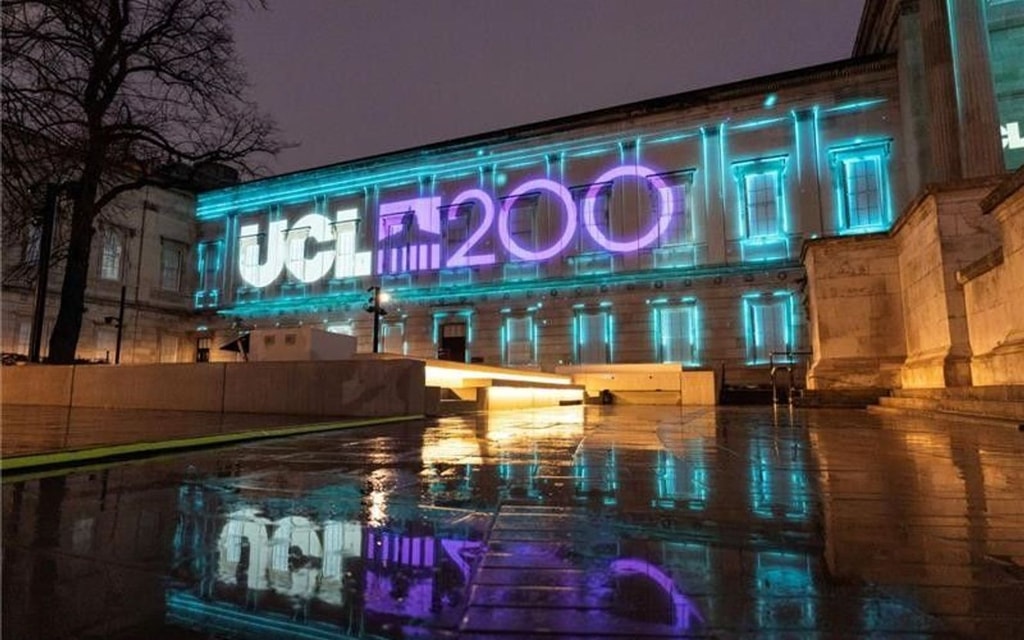
Completed as part of the university’s UCL200 bicentenary programme, the project reimagines one of London’s most significant academic settings, improving accessibility, environmental performance and everyday usability while carefully conserving the historic character of the campus.
BDP provided civil and structural engineering, mechanical and electrical engineering, lighting design, sustainability consultancy and acoustics, working closely with Burwell Architects and project managers and cost consultants from Gardiner & Theobald.
The UCL Bloomsbury Campus centres on the Wilkins Building, designed in the 1820s by neo-classical architect William Wilkins, alongside the Slade School of Art, the Main Library, Student Centre and academic faculties including mathematics and physics.
Over time, the Main Quad had become dominated by hard landscaping originally intended for vehicle access, limiting both accessibility and the quality of arrival into the campus. The completed scheme fundamentally reshapes this relationship between university and city.
The redesigned Quad introduces a series of accessible planted landscapes, replacing vehicle-oriented surfaces with permeable, pedestrian-first spaces that improve movement, comfort and ecological performance. Subtle changes in level and materiality create intuitive step-free routes across the site, while integrated seating and lighting support everyday occupation as well as large-scale gatherings.
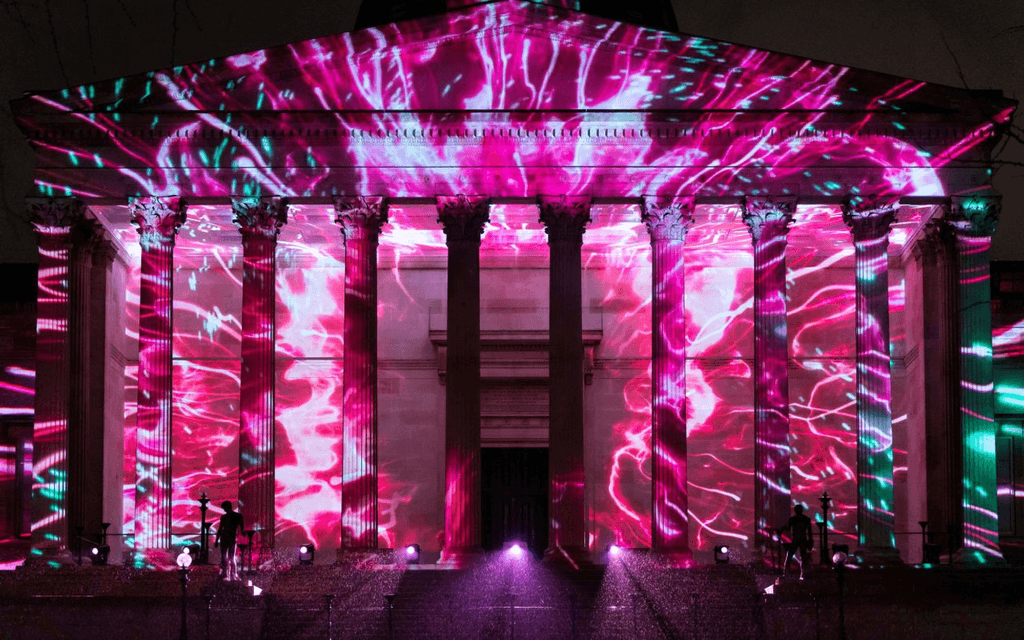
A pair of lightweight temporary structures has also been introduced, enabling sheltered teaching, cultural events and seasonal activity throughout the year, extending how the historic setting can be used without compromising its architectural significance.
Together, these interventions reinforce UCL’s ambition to strengthen arrival, connectivity and engagement with Bloomsbury, creating what the University describes as a more elegant and practical interface with the city.
Within the Wilkins Building, the project delivers a complex programme of internal alteration designed to unlock previously constrained spaces while respecting protected historic fabric.
Works include the removal of later partitions, the creation of a new arched opening through the masonry spine wall, and the introduction of upgraded circulation routes connecting key levels of the building. A new lift and reconfigured access routes address longstanding inclusivity challenges, significantly improving connectivity.
A new flight of steps now leads to a landing, providing improved access to the Octagon, strengthening spatial legibility within one of UCL’s most recognisable interiors.

“These are buildings and spaces that required thought and collaboration to bring up to new, modern standards. The transformation of the UCL’s flagship Wilkins Building and the Main Quad demonstrates how multidisciplinary engineering and design can unlock the potential of historic places. Working within one of the UK’s most significant listed academic environments required close collaboration across disciplines to create trust in the project which has integrated modern performance with heritage conservation.
These renewed spaces establish a more accessible, adaptable and environmentally responsive campus which is ready to support UCL’s next century of learning, research and public life.”
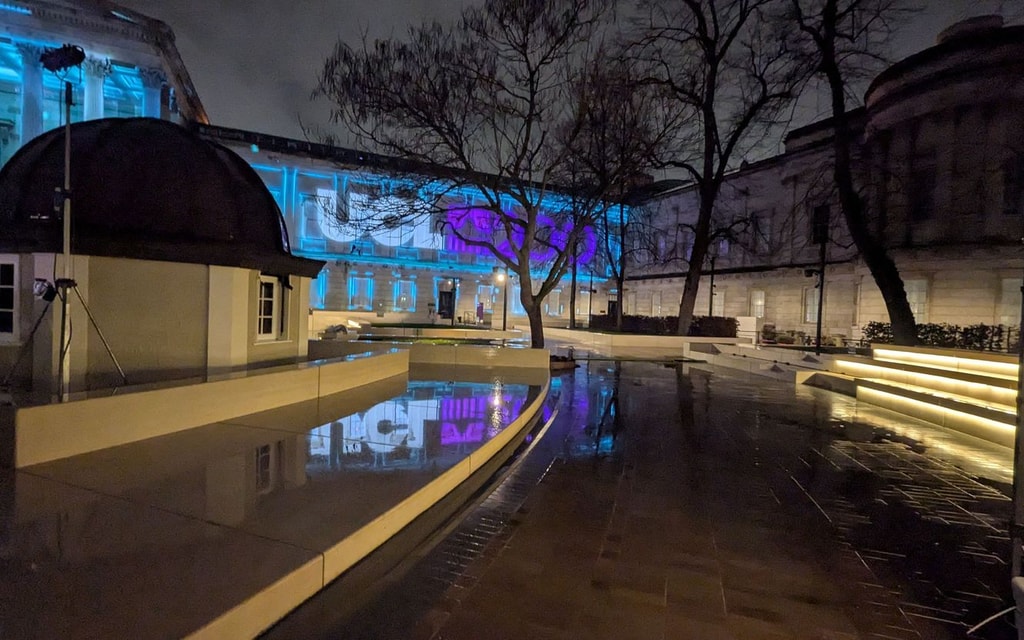
BDP led the integration of modern mechanical and electrical infrastructure within the listed structure, carefully coordinating building services, lighting and acoustic interventions to enhance environmental comfort while minimising impact on historic elements. The upgrades improve operational efficiency, resilience and long-term adaptability, supporting UCL’s sustainability ambitions for its estate.
The refurbishment of the cloisters transforms formerly underused circulation areas into a connected sequence of flexible environments supporting exhibitions, informal study, conferences and public engagement.
BDP’s multidisciplinary approach enabled engineering, sustainability and design disciplines to work as a single coordinated system. The approach balanced conservation requirements with contemporary performance and sustainability expectations. Enhanced lighting quality, acoustic comfort and energy-efficient building systems ensure the historic estate can support modern patterns of learning and collaboration.
Charu Gorasia, Vice-President (Finance, Commercial and Estates) and Chief Financial Officer at University College London, said: “The Main Quad is a key part of our Physical Legacy Works, designed not just for today but for the next century of UCL’s story. It reflects our ambition through sustainable materials, improved accessibility and more resilient infrastructure. I am deeply grateful to our Estates colleagues and external partners whose expertise and hard work have brought us to this important point in the project.”