BDP helps Royal Institution cut carbon while protecting its Grade I listed home
BDP is playing an important role in supporting The Royal Institution of Great Britain (Ri) to reduce the environmental impact of its historic home on Albemarle Street, while protecting the building’s heritage and enabling it to continue its work connecting people with science.
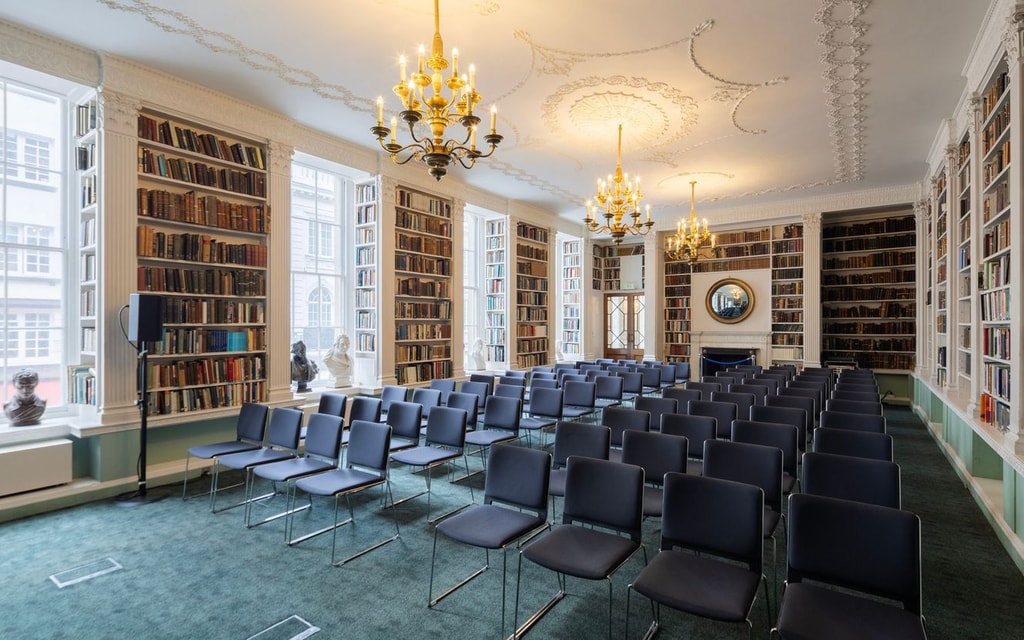
Founded in 1799, the Ri has occupied 20 and 21 Albemarle Street for more than two centuries. The Grade I listed buildings have evolved continuously to meet the changing needs of scientific research, education and public engagement, and remain home to the Institution’s lecture programme, collections and archives.
BDP acted as the lead designer, architect and heritage architect for the Ri’s “Project FootpRint”, a major programme of building upgrades supported by £4.35 million of funding from the Mayor of London.
The project, completed in March, is on track to achieve a remarkable 42% reduction in carbon emissions – exceeding its original target of 35% – and has led to the award of an EPC B rating placing the iconic building in the top 20% of non-domestic properties awarded ratings in the UK since 2009.
The work brings together new plant, mechanical and electrical services with improvements to the building fabric. Interventions have been carefully developed around the significance of the historic building, with services routed through existing ductwork routes wherever possible to minimise their impact on historic finishes and decorative features.
Fabric improvements include measures to reduce uncontrolled air infiltration and heat loss and repairs to historic interiors, including plasterwork, joinery and bespoke radiator housings.
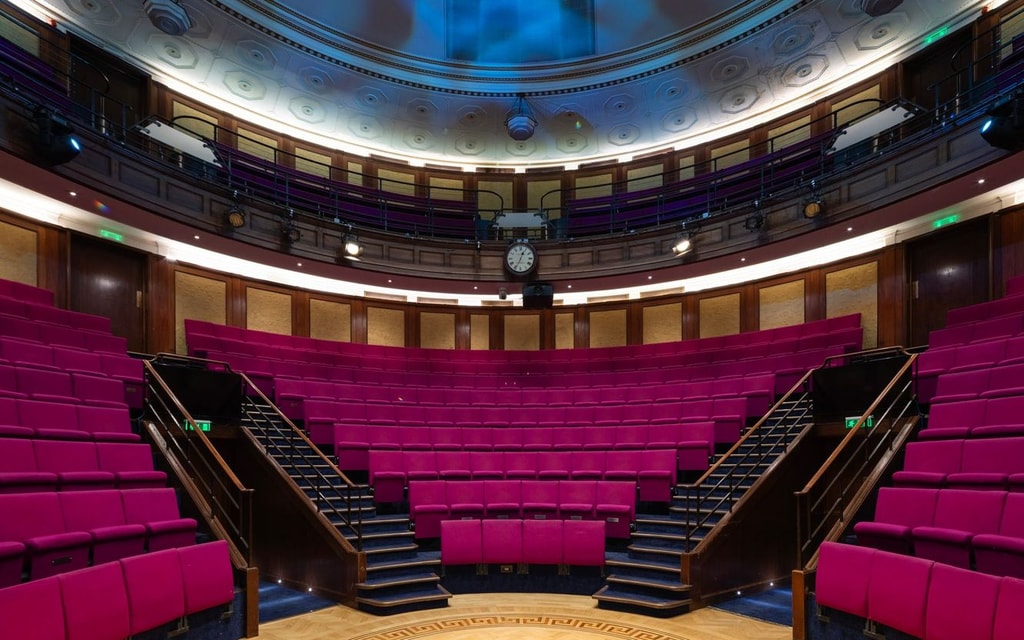
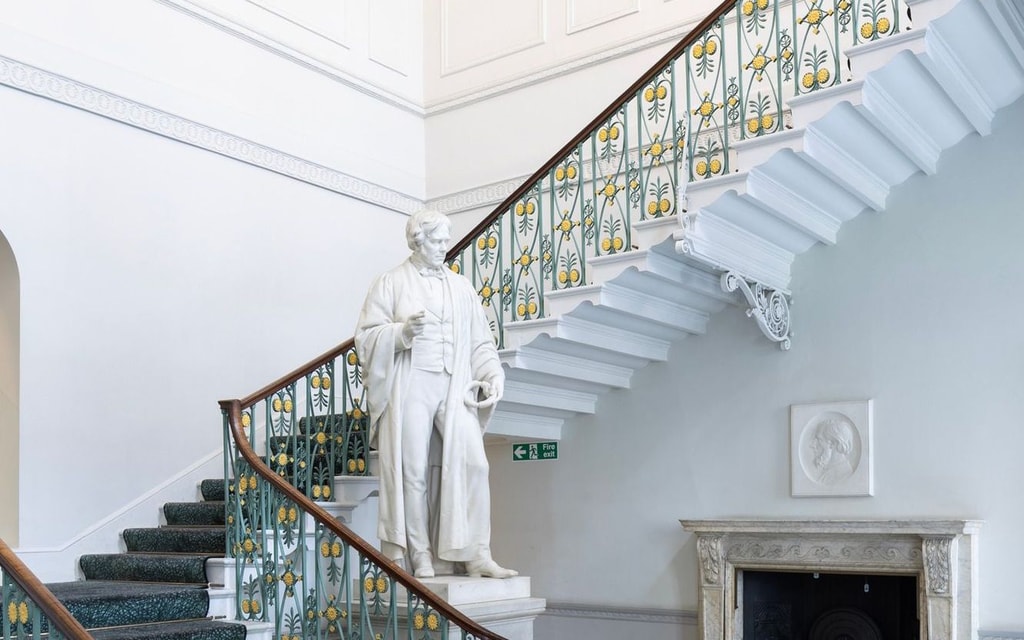
The works interface with some of the Ri’s most significant spaces, including the Grand Entrance, Library and Lecture Theatre, as well as collections and scientific objects held throughout the building. Careful planning with the Ri, contractors, Westminster City Council, Historic England, the Greater London Authority and other stakeholders has enabled the building to remain operational wherever practicable during the works.
A new Building Conservation Management Plan, prepared by BDP and Anthony Peers with advice from Historic England, provides a framework for the Ri’s future stewardship of its buildings. It brings together research into the history, fabric and significance of 20 and 21 Albemarle Street with recommendations for maintenance, repair, adaptation, accessibility, climate change resilience and future projects.
The plan recognises that change has always been part of the Ri’s story. The buildings have been repeatedly adapted over 200 years, from their origins as eighteenth-century townhouses through major nineteenth- and twentieth-century interventions, to their current role as a centre for scientific discovery and communication.

The Ri is a building where science and architecture have evolved alongside each other for more than 200 years. That history is visible in its fabric, its collections and the way its spaces have been adapted over time.
“Project FootpRint gave us the opportunity to improve the building’s environmental performance while respecting what makes it significant. We have taken a practical, evidence-led approach – understanding how the building works, identifying where energy is being lost and finding ways to introduce new services with as little impact on historic fabric as possible.
“For me, this is where heritage conservation and sustainable design come together. The most responsible way to look after historic buildings is to understand them deeply, adapt them carefully and give them the environmental performance they need to remain useful for generations to come. The Conservation Management Plan is an important part of that process. It gives the Ri a clear framework for making informed decisions about the building in the years ahead, so that conservation and continued use can work together.”

“With the world’s leading scientists of the past making scientific discoveries that continue to shape our world today, our building has a special place in the UK’s rich history of science.
“So those of us who are today’s custodians of this national asset have a responsibility to ensure that the integrity of our heritage is thoughtfully preserved, while meeting modern-day standards and public expectations as a home for science.
“We are grateful for BDP’s lead in developing this first comprehensive building conservation plan in over two decades, providing the framework through which we will preserve a rich legacy while continuing to inspire future generations through scientific discovery and education.”
The Ri’s Grade I listed buildings remain a working home for science, education and public engagement. The project aims to ensure they can continue to support that role while using less energy and providing a robust framework for their long-term care.
Further Reading
Royal Institute Footprint Project
The Royal Institution’s Footprint Project supports its long-standing mission to connect people with science.