Why purpose-built rentals lead on sustainability
The housing landscape in the Greater Toronto Area is shifting. Condominium development has dominated for two decades with momentum now moving toward purpose-built rental housing.

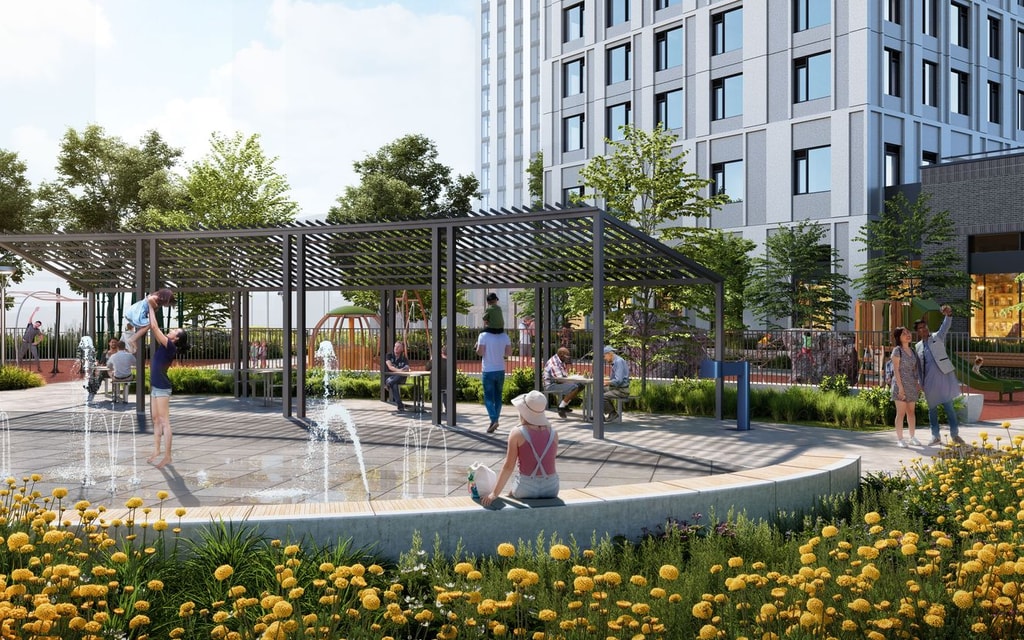
What may appear as a market correction is, in fact, an opportunity to embed sustainability into the foundation of multi-unit residential design, not as an add-on feature, but as the long-term value. Unlike condominiums, which are typically sold to multiple owners, purpose-built rentals are long-term, single-owner assets. This ownership model fundamentally changes how buildings are designed and operated. When developers plan to hold onto a building for decades, sustainability becomes an operational strategy rather than a marketing feature.
Durability equals profit. High-performance envelopes, resilient materials and energy-efficient systems reduce operational costs and reduce repair cycles over time. Upfront costs lead to long-term savings. Early investment in sustainable design extends the lifespan of the building and stabilizes its net operating income, making sustainability a business strategy rather than a moral add-on. Simply put, risk-smart design is smart business
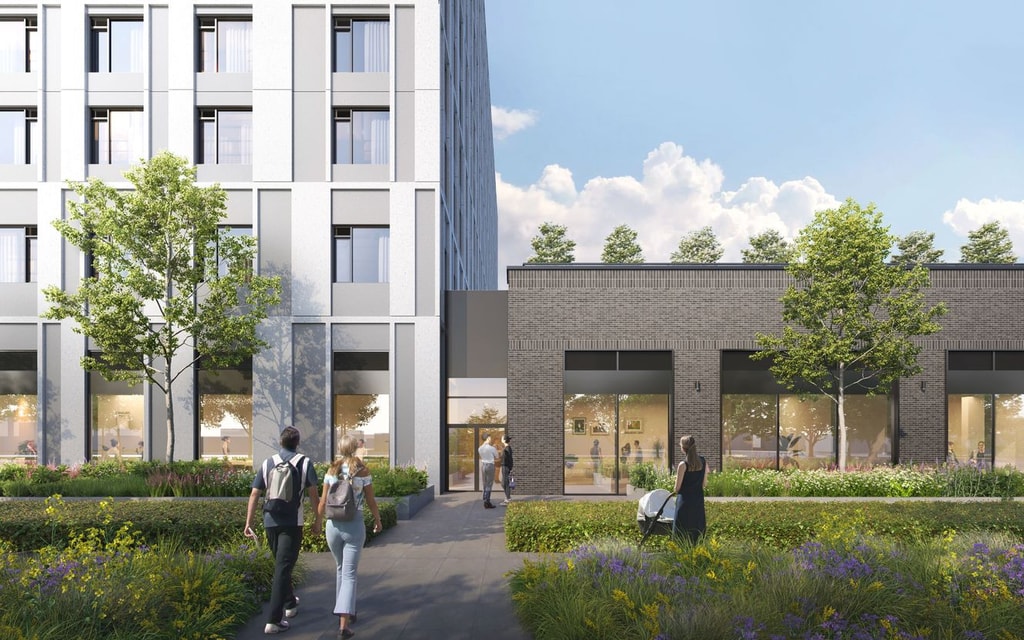
This long-term mindset naturally aligns with low-carbon design, resilience planning and the avoidance of future retrofit costs. In purpose-built rentals, every sustainable decision contributes to lasting performance: financially, environmentally and socially.
In purpose built rental design, the building envelope plays a starring role in reducing both embodied and operational carbon. It’s where design, performance and comfort converge. Every detail from insulation depth to window placement has a measurable impact on a building’s carbon profile and shape tenant satisfaction and retention.
Because these buildings are owned for the long term, early design choices are locked in for life. A high-performance envelope doesn’t just reduce energy demand; it also enhances livability, acoustic comfort and leasing appeal. As we often describe it, “smart carbon” means selecting materials with low embodied impact while ensuring long-term durability and energy performance. This balances upfront carbon with operational outcomes that together shape a building’s whole-life carbon story.
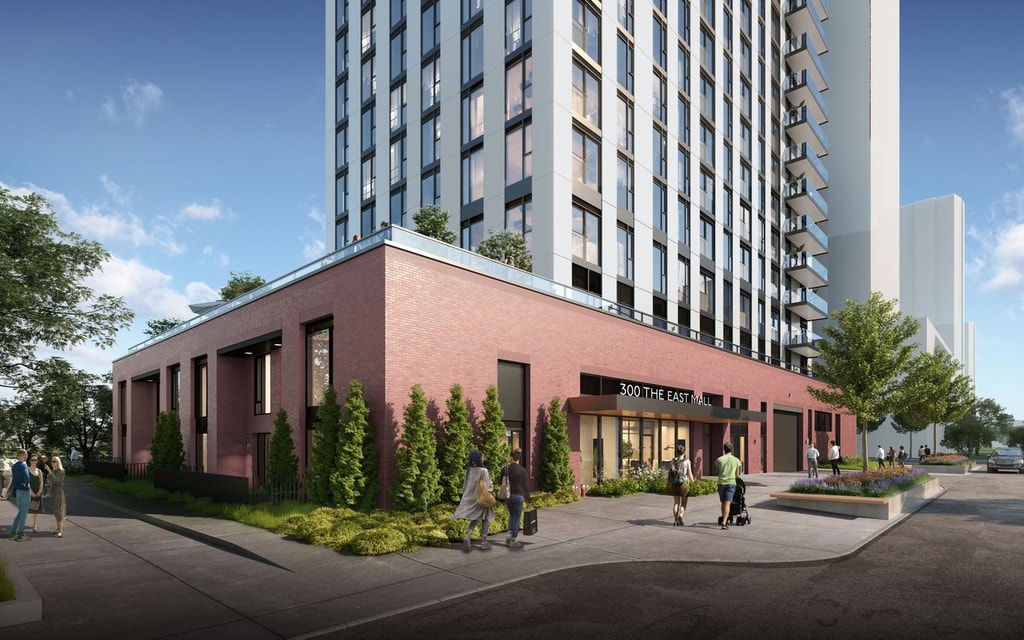
In today’s regulatory and funding landscape, three key performance metrics are shaping sustainable multi-unit design:
- EUI (Energy Use Intensity): Measures overall energy efficiency.
- GHGI (Greenhouse Gas Intensity): Tracks emissions, driven by fuel choice.
- TEDI (Thermal Energy Demand Intensity): Gauges the building envelope’s performance and the comfort it delivers.
These three metrics form a clear framework. Lower EUI and GHGI reduce operating costs and carbon emissions, while strong TEDI performance improves comfort and system stability. Meeting these targets can also unlock CMHC green financing, strengthening both performance and project economics.
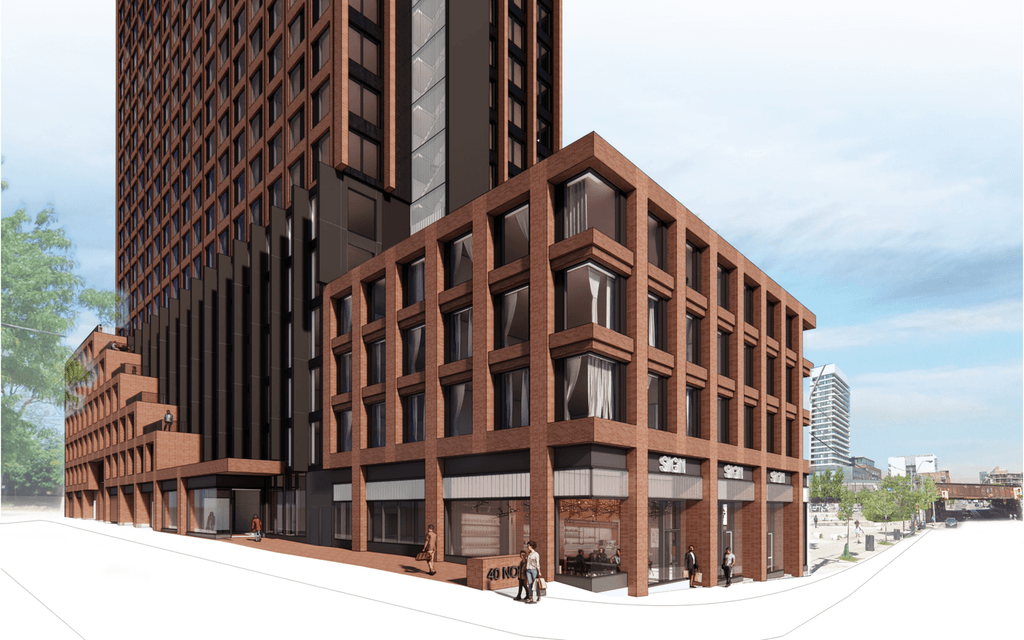
Another powerful sustainability tool is site context. Early site intelligence, such as using modeling software like Forma, can help optimize orientation, massing and solar exposure before the first line is drawn. Early decisions about form, glazing ratios or shading can dramatically reduce heating and cooling demands without relying on mechanical systems.
In sustainable design, timing is everything. Impact is highest and costs are lowest early in design stages. Each early, data-driven decisions carry through the entire life of the building, especially in rentals where one owner is responsible for long-term performance.
Government policy is reinforcing this shift. CMHC programs such as the Apartment Construction Loan and MLI Select link financing to energy-efficient, accessible and affordable housing targets through through low-cost loans and insurance benefits. These requirementsoften exceed the Ontario Building Code, which pushes sustainability decisions to the early design stage. By engaging the integrated project team early in the process, developers can align design performance targets with funding eligibility from the start, using policy as a catalyst for innovation.
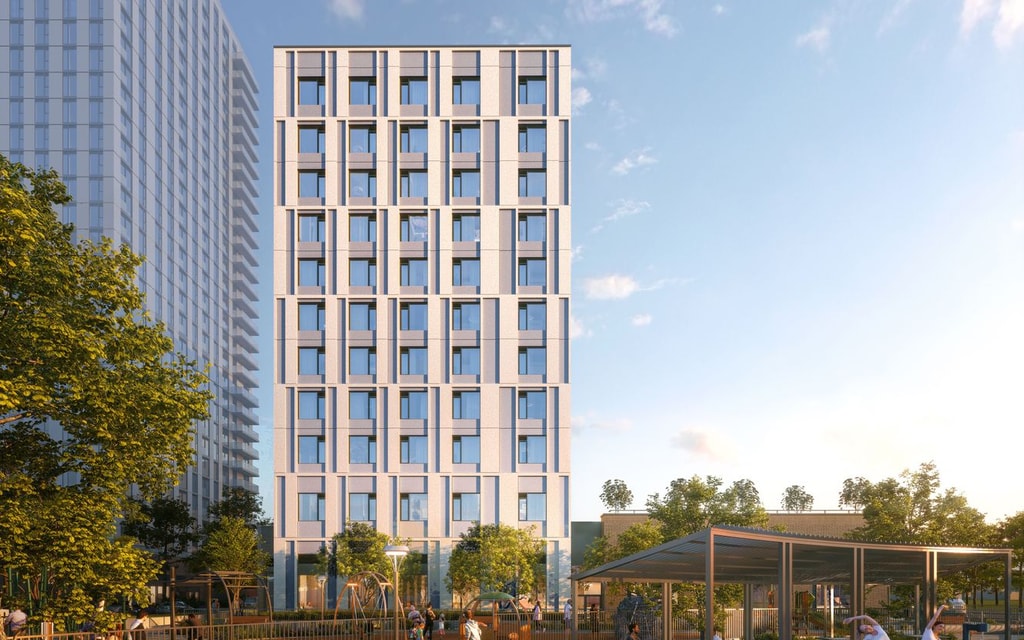
Our long experience in rental housing supports this shift in mindset, from short-term ownership to long-term stewardship. Condominiums have often been treated as products to sell, while purpose-built rentals are long-term assets with lasting environmental, social and economic value.
This evolution invites architects and developers to think holistically: to consider how carbon, comfort and community intersect across a building’s lifespan. It’s not just about designing efficient buildings, it’s about designing places that endure, evolve and enrich the people who live in them.
As the GTA embraces this next chapter in housing, purpose-built rentals represent more than a market trend. They are a model for sustainability in its truest sense: enduring, adaptive and human-centered.
Further Reading
Valhalla Village
This mixed-use development uniquely intertwines affordable housing with leading-edge sustainable practices
1266 Queen Street West
At the corner of Queen and Dufferin, 1266 Queen Street West captures a pivotal moment in Toronto’s housing evolution.