How purpose-built rental infill can help solve the GTA's housing crisis
Condominium development has shaped growth across the Greater Toronto Area for more than two decades. But today, that model has lost momentum.

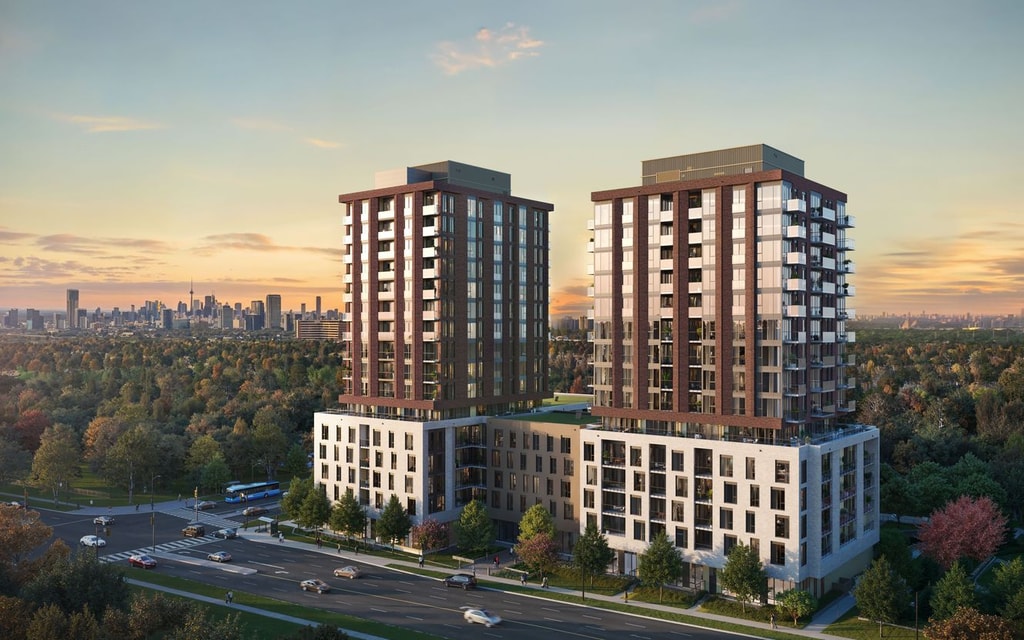
Rising construction costs, halted pre-sales and changing demographics are prompting a market shift away from ownership-driven condo development and toward purpose-built rental. At the same time, the GTA is facing an acute housing crisis that demands faster, fairer and more sustainable solutions.
This convergence presents a critical opportunity. Purpose-built rental infill: adding new rental housing within established, already-serviced communities has emerged as one of the most powerful tools available to address housing supply, affordability, climate goals and long-term neighbourhood resilience.
At its core, rental infill is about putting people where the city already works. Unlike greenfield development, infill projects are located within existing neighbourhoods, close to transit, schools, parks, healthcare and local retail. This “location, location, location” advantage allows cities to grow without overextending infrastructure, while enabling residents to live closer to daily needs and opportunities.
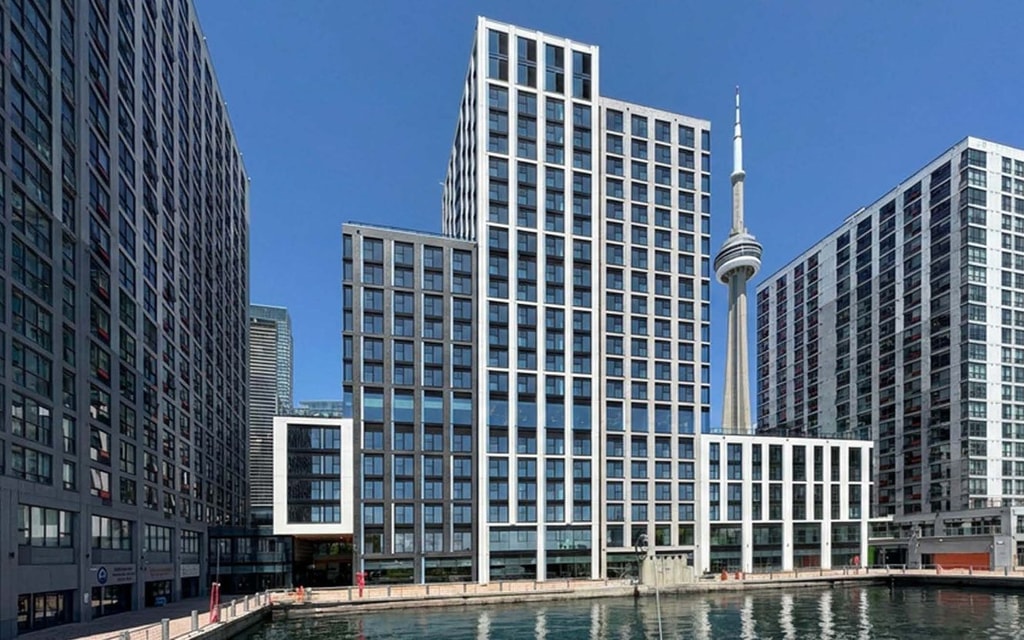
Equally important, rental infill supports rapid density increases without widespread displacement. When thoughtfully designed and carefully phased, new buildings can be introduced while existing rental buildings remain occupied and functional. Construction impacts are managed, temporary relocations are minimized and, crucially, existing tenants are not permanently pushed out. In many cases, residents ultimately benefit from upgraded amenities, improved accessibility and reinvestment in aging buildings and landscapes.
This approach stands in contrast to more disruptive intensification strategies and challenges persistent misconceptions around purpose-built rental, namely that new rental development comes at the expense of existing communities. In reality, municipal site plan agreements often require upgrades to existing buildings, long-term rental tenure and affordable unit commitments, aligning public and private interests in tangible ways.
Because infill sites are already serviced, rental housing can be delivered faster and more sustainably than net-new communities. Transit capacity already exists. Utilities are largely in place. Social infrastructure - from schools to community centres - is established. This dramatically shortens timelines and reduces the environmental costs associated with extending infrastructure into undeveloped land.
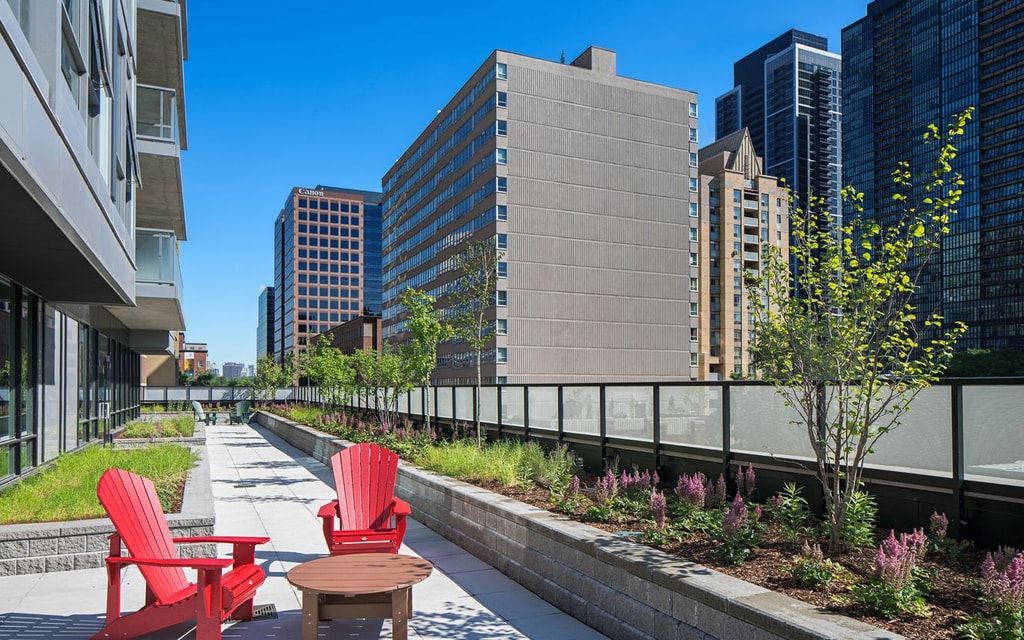
Rental housing is also inherently more adaptable to demographic and economic change. Unlike condominium development where speculative investment can distort unit sizes and layouts, rental developers are directly accountable to end users. Their success depends on aligning product with real demand. As a result, purpose-built rental projects are more likely to include family-sized units, flexible layouts and amenity spaces that reflect how people actually live and work today.
This alignment also supports municipal priorities. Many recent rental infill projects deliver a high proportion of two- and three-bedroom units, respond to family-oriented design guidelines and integrate shared amenities that strengthen community life. Because these assets are development with long-term ownership in mind, developers are incentivized to invest in durability, performance and operational efficiency, benefits that accrue over decades, not just at point of sale.
Designing rental is not the same as designing condos and those differences matter. Successful projects prioritize deeper floor plates that support larger units and better daylighting, while limiting the number of unit types to improve construction efficiency and long-term manageability. Repeatable layouts reduce complexity, speed delivery and help control costs.
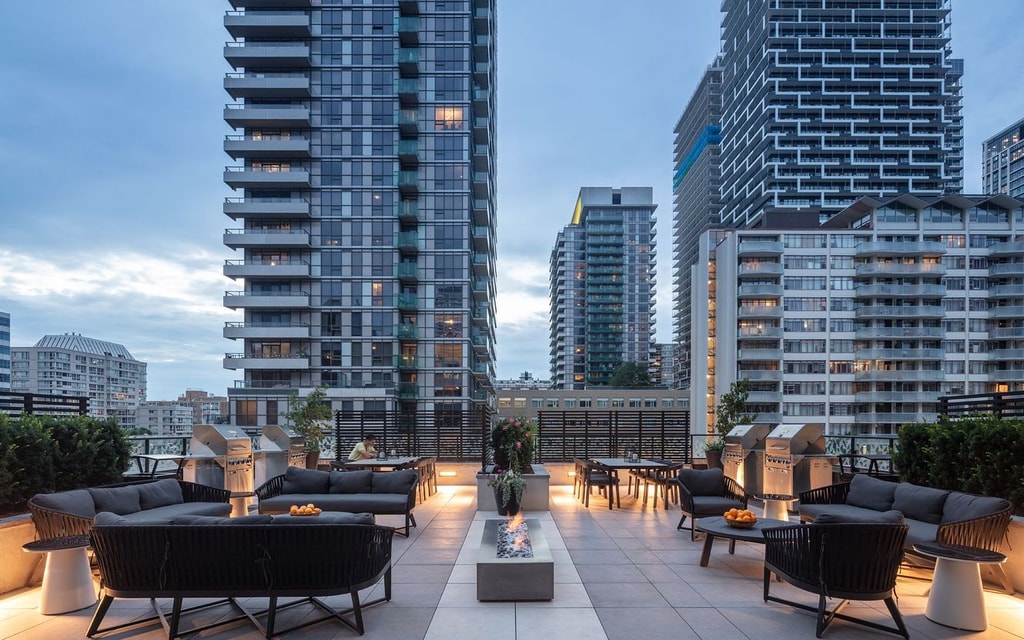
Amenity spaces are increasingly tailored to renters’ needs, with shared workspaces, bookable offices and flexible common areas replacing underused private features. A notable shift is the move away from extensive projecting balconies, which often perform poorly thermally and require costly maintenance. Instead, many rental projects incorporate Juliet balconies and robust envelopes that improve energy performance and resilience.
Parking strategies are evolving as well. Rental infill projects in transit-connected locations can successfully reduce parking ratios, lowering construction costs and embodied carbon while encouraging more sustainable mobility choices.
Equally critical is how new buildings connect to what already exists. Infill offers a chance to repair past planning decisions, transforming leftover green space, surface parking and disconnected landscapes into usable, accessible and vibrant community amenities. Pedestrian connections, accessibility upgrades and shared outdoor spaces can turn isolated “tower-in-the-park” sites into cohesive neighbourhoods.
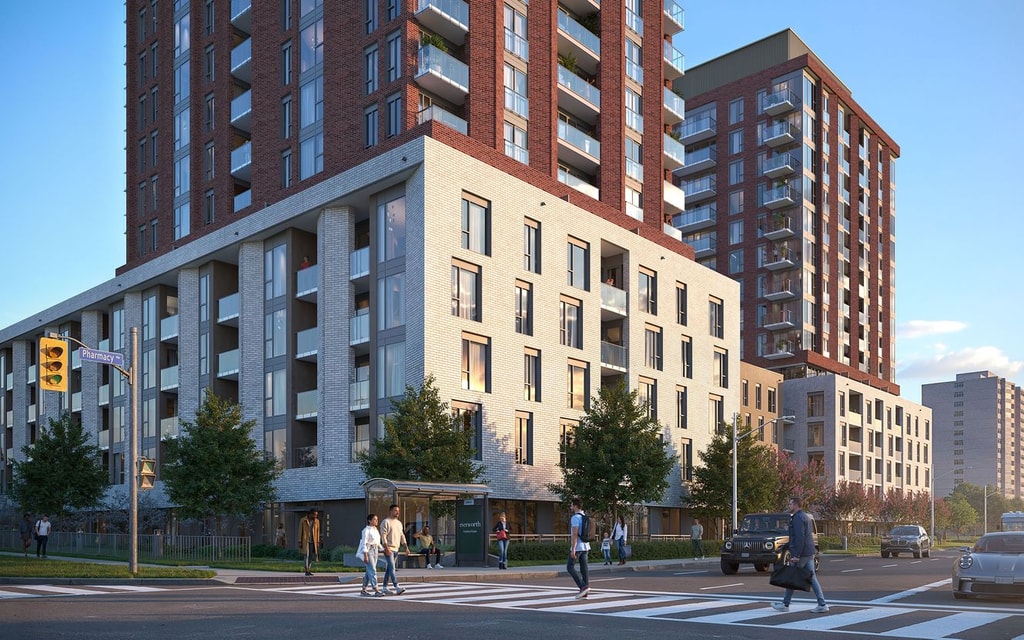
In rental, longevity matters. Because ownership is retained, upfront investment makes financial sense in high-performance envelopes, durable materials and energy-efficient systems that reduce operating costs over time. Rental infill projects are also well positioned to adopt capital-intensive sustainable technologies, such as geothermal systems that are difficult to justify in short-term condo models.
Passive design strategies further strengthen resilience. Reduced window-to-wall ratios, operable windows and well-insulated envelopes improve comfort, reduce energy demand and allow buildings to remain habitable longer during extreme weather or power outages. These are not abstract benefits, they directly affect tenant safety, operating costs and long-term asset value.
With decades of experience across multi-unit residential, rental, social housing, seniors’ housing and infill intensification, BDP Quadrangle has been working in this space long before it became a market imperative. That depth of experience - across inner-suburban sites, tower-in-the-park redevelopments, podium additions and multi-building infill - provides practical insight into what works, what doesn’t and what today’s market urgently needs to hear.
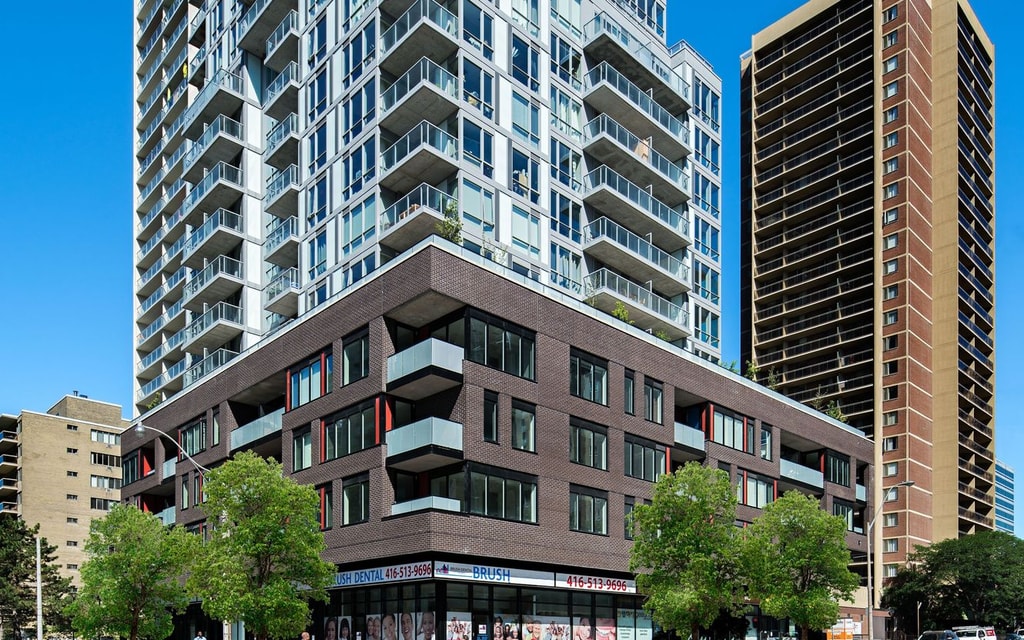
As the GTA looks to scale rental delivery, bold ideas must remain firmly on the table. Expanding as-of-right permissions for rental infill, particularly on existing apartment lands, transit corridors and underutilized sites, could remove years from approval timelines and provide the certainty needed to unlock investment. When zoning supports well-designed rental intensification as a baseline condition, the focus can shift from whether housing should be built to how it can best serve communities.
At the same time, modern construction methods offer a tangible opportunity to accelerate delivery. Prefabrication and mass timber construction can significantly shorten construction schedules, reduce labour risk and improve quality control which are critical advantages in a constrained construction market. For rental housing in particular, these approaches align with long-term ownership models, supporting durability, lower embodied carbon and predictable operating performance. As building codes evolve and familiarity grows, these systems are becoming increasingly viable for mid- and high-rise rental infill.
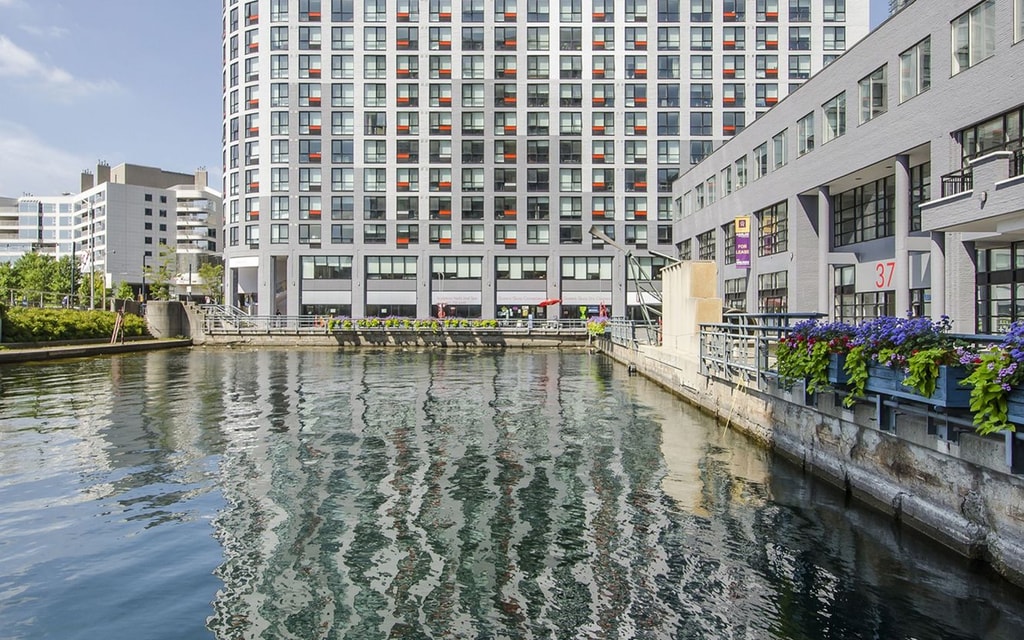
Equally important is the need for streamlined approvals that reflect the urgency of the housing crisis. Rental infill projects often deliver clear public benefits including new housing supply, family-sized units, affordability commitments and reinvestment in existing communities, yet they are frequently subject to the same lengthy processes as speculative development. Aligning approvals with outcomes, standardizing requirements across jurisdictions and prioritizing purpose-built rental within planning workflows would allow projects to move from concept to construction more efficiently.
Rental infill alone will not solve the housing crisis. But it may be the most powerful lever we have to build more housing, more quickly and more equitably while strengthening existing communities rather than replacing them. A resilient rental future is one where density supports livability, sustainability is embedded by design and architecture plays an active role in aligning policy, market realities and human needs.