POMODORO and the return to the office
After years of hybrid experimentation, the conversation around work has shifted once again.


Across the Greater Toronto Area and beyond, organizations are calling people back into offices, sometimes enthusiastically, sometimes reluctantly. But one thing is clear: returning to the office is no longer a mandate problem. It’s a design problem.
If the workplace is going to earn the commute, it must offer something that home offices and coffee shops cannot. It must support focus without burnout, collaboration without exhaustion and culture without performative buzzwords. In short, it must be designed for how people actually work today.
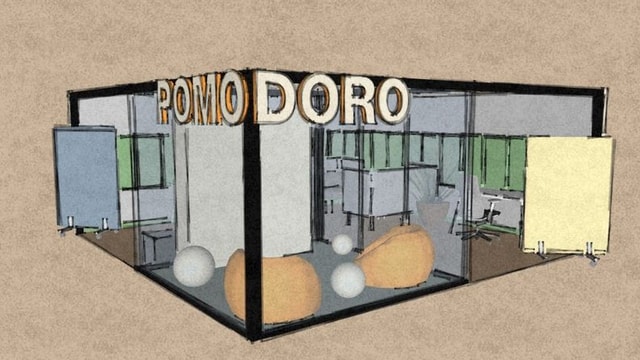
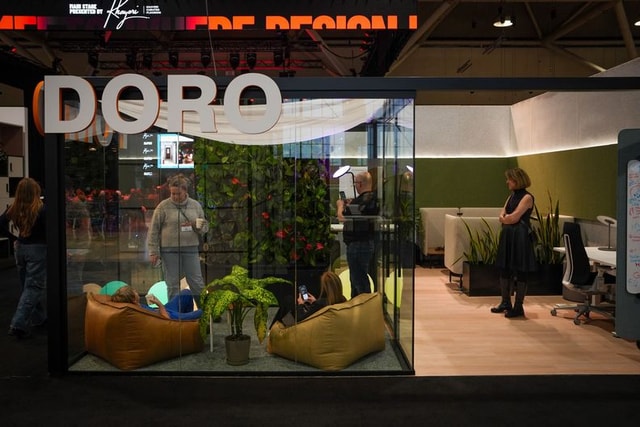
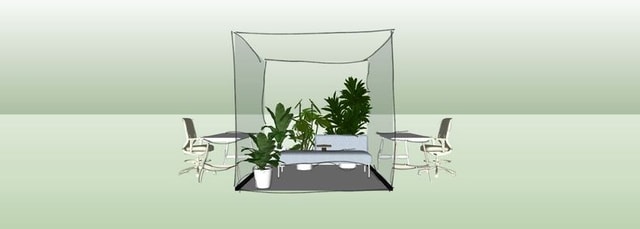
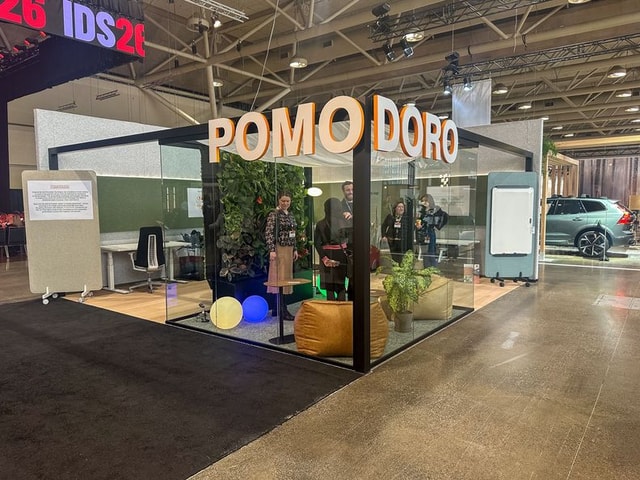
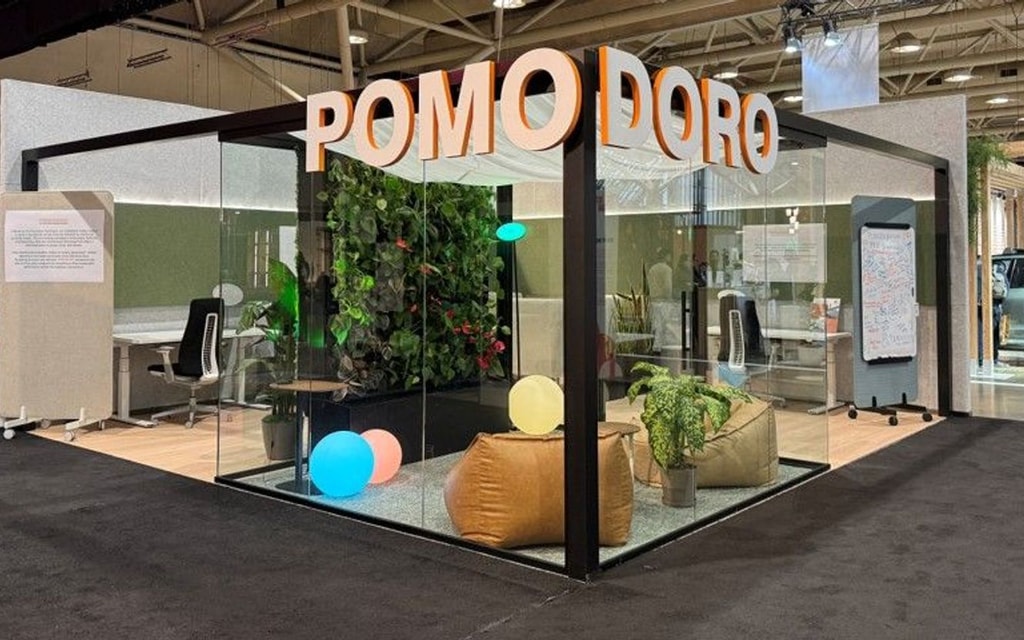
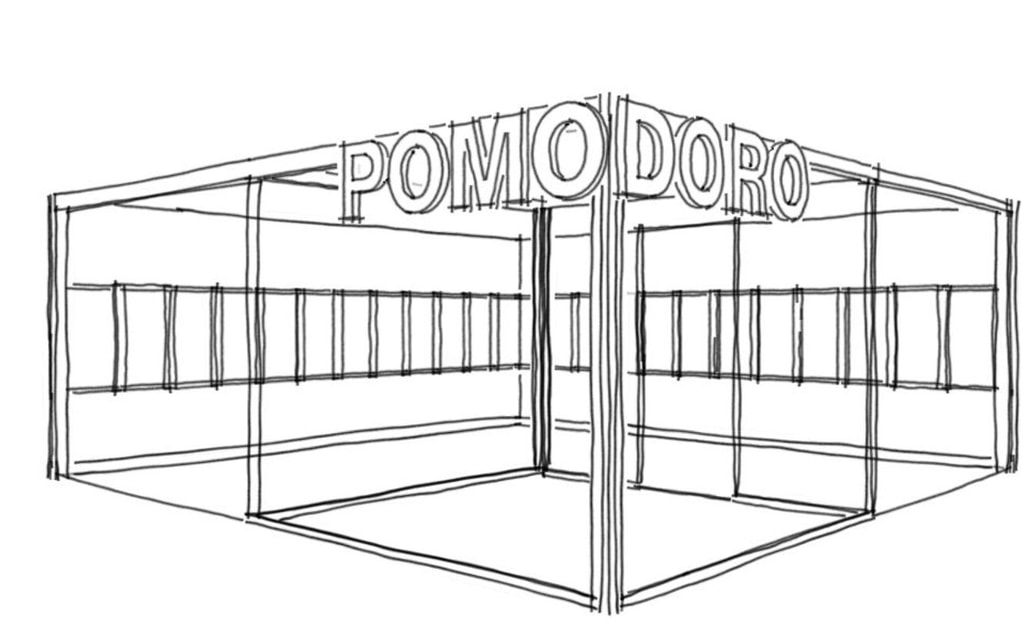
BDP Quadrangle’s Interior Design team explored this question through POMODORO, a workplace concept installation presented as part of the How We Work series at IDS 2026. Rather than proposing another amenity-rich, hyper-activated office environment, POMODORO takes a more provocative stance: productivity is cyclical, not constant and workplaces should be designed accordingly.
For decades, office design has been shaped by an unspoken assumption that the best work happens when people are always “on.” Open offices promised energy and collaboration. Agile workplaces promised flexibility and choice. Yet many of these environments still prioritize visibility, availability and constant engagement. The reality is that human attention is finite. Focus depletes. Energy dips. Creativity needs recovery time.
POMODORO is inspired by the Pomodoro Technique, a time-management approach that breaks work into short, focused intervals followed by deliberate pauses. While often treated as a personal productivity hack, the technique reveals a deeper truth: how we stop working is just as important as how we work. When that insight is translated into space, it challenges the long-standing bias toward continuous output that still shapes most workplaces today.
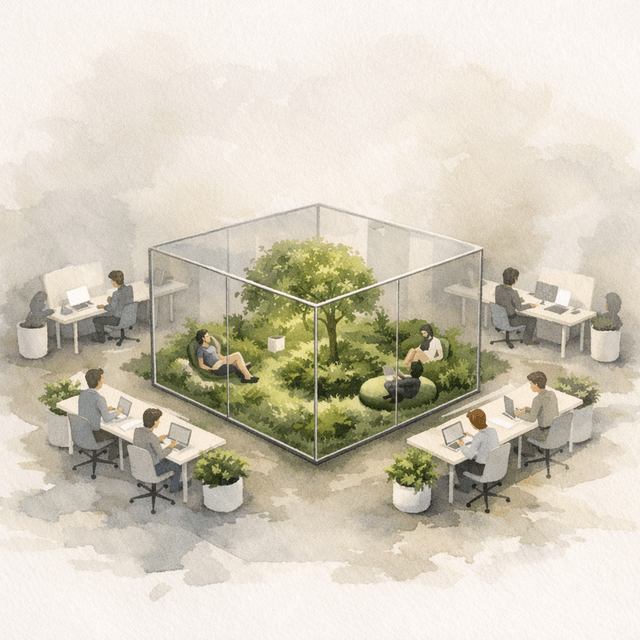
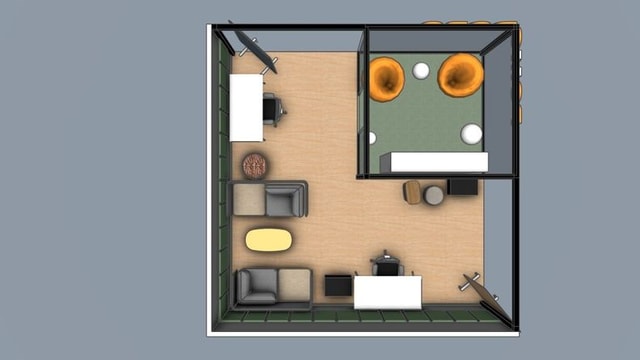
The installation is a spatial exploration of focus, fatigue and recovery, designed around the belief that productivity thrives in rhythms rather than marathons. It is organized as a clear cycle: moments of activation give way to moments of pause and then back again. At its heart is a calm, green retreat; an oasis within the intensity of the IDS show floor. This core space is intentionally restorative, using biophilic elements, softened acoustics and visual calm to counterbalance the surrounding activity. It is not a lounge or a perk. It is the physical embodiment of pause.
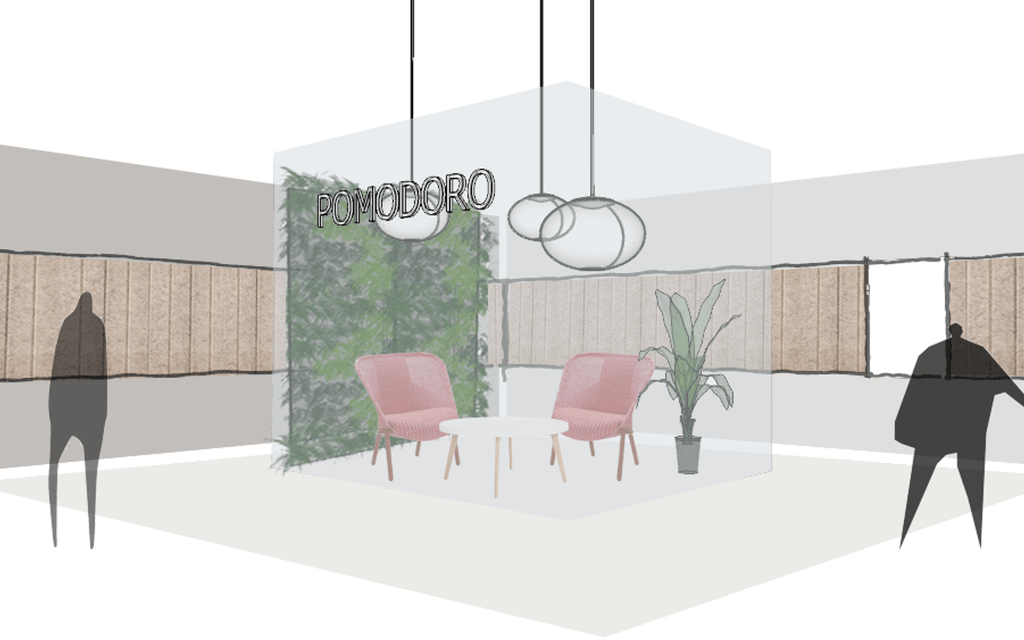
Surrounding this central retreat are zones for focus, work and collaboration. The contrast is deliberate. In a high-energy exhibition environment, POMODORO offers a moment of decompression, a reminder that sustained performance depends on recovery. Rather than hiding rest in wellness rooms or relegating it to after-hours, the installation makes rest visible, spatial and valued.
The thinking behind POMODORO did not emerge in isolation. It grew directly from BDP Quadrangle’s own workplace experimentation. When the firm moved into its new Toronto studio at The Well in 2022, the space was conceived as a living lab, a place to test how environments influence behaviour. Over time, the team observed how different settings supported deep focus, collaboration, creative momentum and restoration. One of the most impactful insights was that structured cycles of work and pause supported by space, not just policy, led to more sustainable productivity.
As organizations expand their brick-and-mortar footprints once again, many are defaulting to familiar strategies: more collaboration space, better amenities, stronger branding. These elements matter, but they are not enough. The next evolution of workplace design will not be about doing more. It will be about doing better. POMODORO highlights the need to move beyond a one-size-fits-all productivity environment and instead create spaces and systems that recognize and support neurodivergent ways of working.
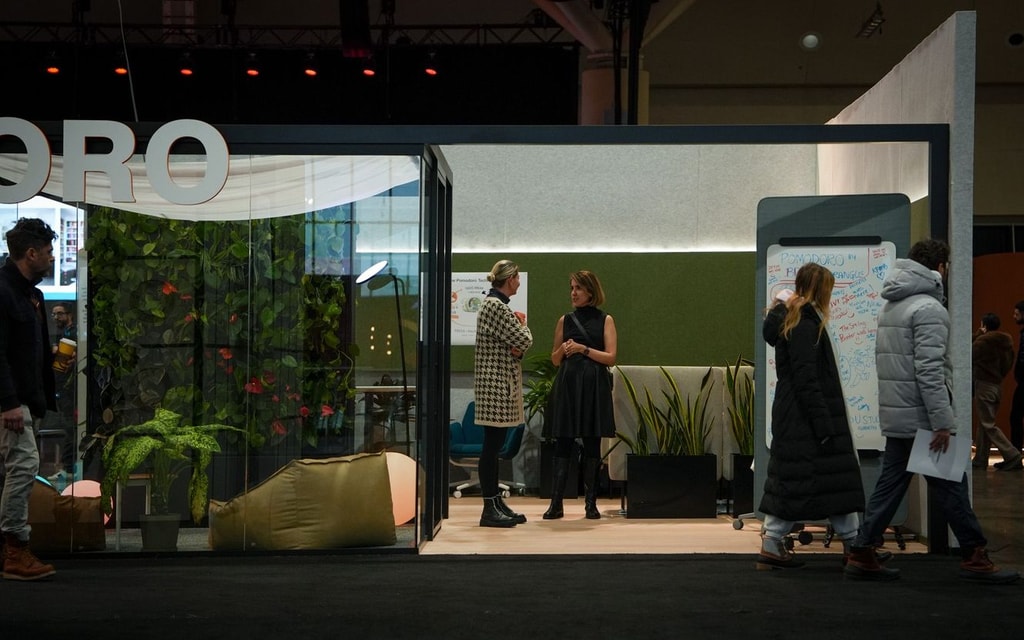
POMODORO is both a response and a challenge: a response to the current return-to-office moment and a challenge to rethink what productivity really looks like when people are treated as human, not machines.
The most successful workplaces are not those that demand the most from people, but those that give people the support they need to do their best work. By reframing rest as a design priority rather than a personal indulgence, POMODORO proposes a more humane model of work, one rooted in wellbeing, self-awareness and behavioural design. It suggests that workplaces can reinforce healthier habits simply through how they are organized.
Ultimately, POMODORO is an invitation to reconsider how time, energy and space intersect, and to imagine workplaces that help people thrive - not by pushing harder, but by knowing when to pause.