Quality of life
Alder Hey Children’s Health Park, Liverpool, UK
The Good CityThe primary role of the Good City is to provide its people with a good place to live in communities that are diverse and supportive, healthy and safe.
Quality of life has become an important factor in city competitiveness with a number of liveability indexes ranking cities in terms of their environment, healthcare, education, culture, crime rates, quality of transport and cost of living. These factors are crucial in the ability of a city to attract and retain talented people and therefore remain economically competitive.
Quality of life is also about social equity. How a city supports its more disadvantaged communities and ensures all members of its society feel a sense of inclusion and belonging. How it puts in support systems that ensure everyone benefits from good quality housing, education and healthcare giving everyone the opportunity to contribute their city and community.
Air quality, open space, access to nature, transport and income are also important the quality of life experience in a city and are covered in other sections.
Six ‘Good City’ solutions
Quality housing
Mixed tenure, high quality housing helps to mix people from different socio-economic backgrounds creating more diverse, cohesive communities and can help with social mobility. Whereas energy-efficient quality designed homes through space, natural lighting, ventilation, insulation, and external spaces can reduce bills, improve their quality of life whilst mitigating our impact on the environment.
Better healthcare and education
The provision of high quality schools, universities, and hospitals can enhance people’s ability to learn and recover to good health. A human-centric design approach can create healthy, inclusive, sustainable buildings with the flexibility to meet constantly changing needs.
Inclusive design
Inclusive design creates accessible multi-sensory places that can be used and enjoyed by people of all abilities whether that be interactive art for those with visual impairments or accessible seating areas making it easy for all to rest. By doing so, a city promotes inclusion and social integration.
Empowering communities
By adopting a participatory approach, we can create more inclusive and sustainable cities that meet the needs of all residents. Through actively engaging with residents in the design of their community, design teams can build consensus and agreement whilst fostering a sense of ownership and pride.
Play and recreation
Parks and recreation facilities shape the perception of the quality of life within a community. They support active lifestyles, child development through play and amenities that promote health and wellbeing.
Public realm and lighting design
The public face of the city is its streets, squares, parks and other spaces. This public realm is multi-functional, accommodating transport and servicing, contributing to biodiversity, providing drainage whilst also accommodating the public life of the city. It needs to be well designed and well lit so it is both attractive and safe.
Our work
Indigenous Hub
Located in Toronto’s Canary District, the Indigenous Hub is a precedent-setting, 440,000-square-foot mixed-use development.
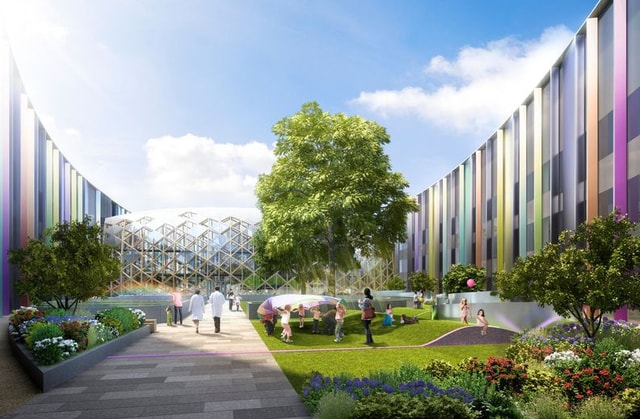
National Children’s Hospital, Dublin
Ireland’s largest healthcare project will bring together the three existing children’s hospitals to create a single, world-class facility.
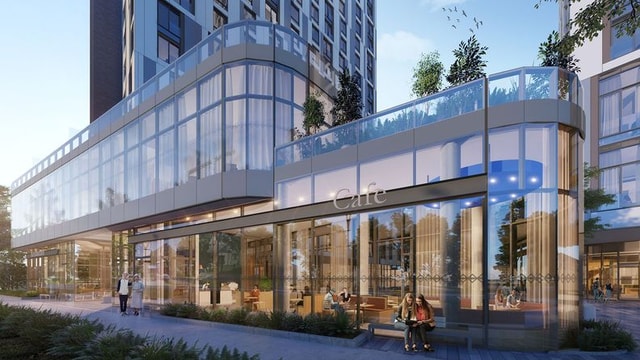
Axess Condominiums
Axess Condominiums is a game-changing project in Pickering, Ontario that will set new standards for inclusive design in the residential market.
Key contacts
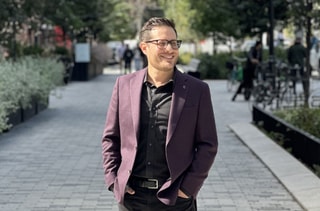
Jesse Klimitz
Director of Human Space Consultancy
Related expertise
-1330x831.jpg?u=2025-05-21T09:28:30.431Z&w=320&q=90)
Buildings and places
Our multidisciplinary experts design every element of the city with a holistic urbanistic mindset.
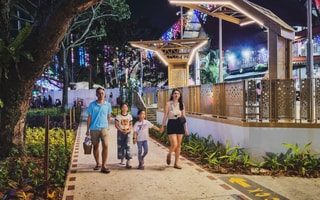
Inclusive design
Inclusive design can help solve complex urban challenges, while enhancing societal well-being.
-1330x831.jpg?u=2024-11-22T20:47:08.091Z&w=320&q=90)
Landscape and biodiversity
We design green spaces that support health, enhance biodiversity, and build resilience to climate change.