Achieving zero carbon
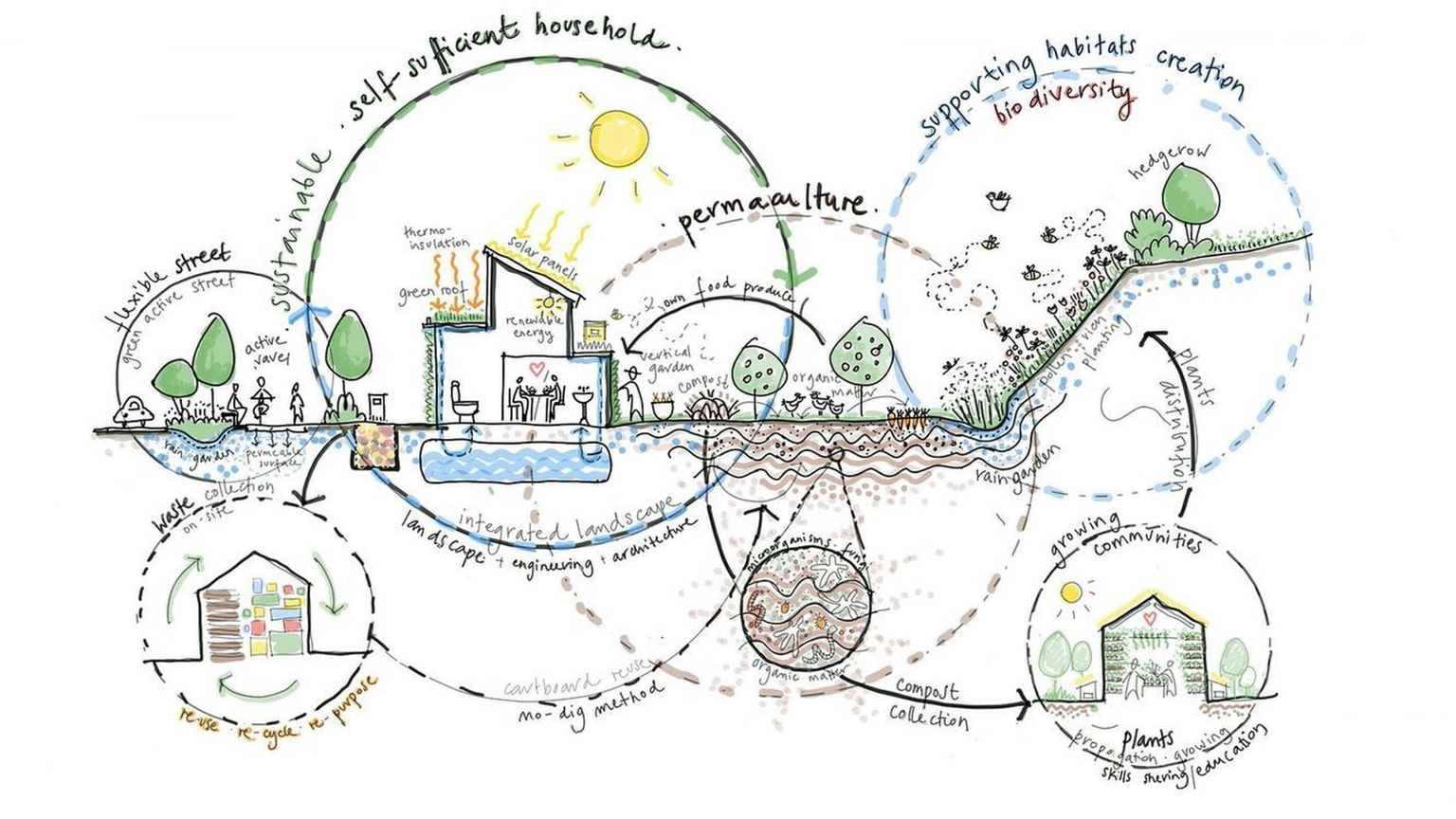
Harrington Community, Oxfordshire, UK
The Good CityCities accommodate 56% of the world’s population but are responsible for 70% of its CO2 emissions. They must therefore be the focus for strategies to meet our climate obligations.
The Good City will rise to this challenge and will need to plan to be zero carbon by 2050 at the latest and where possible well before this. As a dense, walkable city it will achieve this reducing transport emissions, optimising energy use, using smart energy systems and meeting its remaining energy needs from renewable energy. Cities also contain huge reserves of embodied carbon and the Good City will reuse and retrofit existing structures and infrastructure as far as possible alongside efficient new build.
Five ‘Good City’ solutions
Decarbonisation of power generation
The Good City will invest in decarbonising its power networks by promoting renewable energy through wind, solar, hydroelectric and geothermal. This needs to take account of the increased demand for electricity from electric vehicles, heat pumps and cooling.
Smart energy networks
At a city and neighbourhood scale smart grids and microgrids can link local renewable capacity and demand as well as building a city’s resilience and energy security. There is a role for city governments in helping to finance and mitigating the risk of these systems.
Energy efficiency buildings
Both new and existing buildings must strive to be zero carbon ready. This is achieved through design and technology to minimise the energy required for heating, cooling lighting and other systems and ensure that the energy that is used can come from carbon free sources.
Energy storage
Energy storage enables the efficient utilisation of renewable energy, improve grid stability, and provide backup power during outages. As technology advances in thermal, battery, flywheel and pump hydro storage systems, they will play a vital role in the net zero future of cities.
City digital twins
A digital twin is computer programme created by connecting real-time data to its physical environment through sensors, meters, and monitoring devices. Building owners, city planners and governments can use digital twins to track, manage and minimise emissions from both new and old buildings, as well as during construction.
Our work
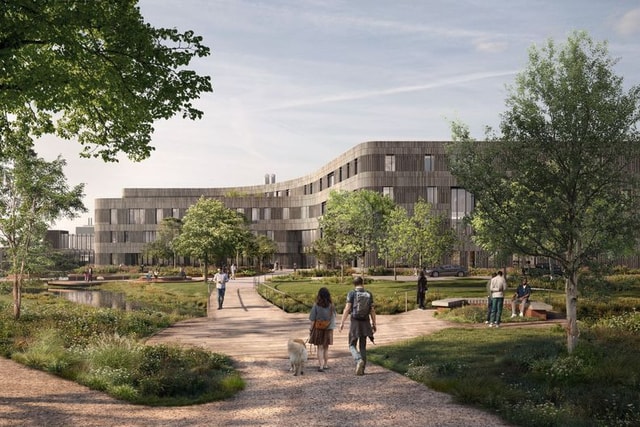
Next Generation Infrastructure Programme
We are designing the largest net zero carbon laboratory in the UK for the John Innes Centre (JIC) and The Sainsbury Laboratory (TSL), in conjunction with BBSRC at Norwich Research Park.
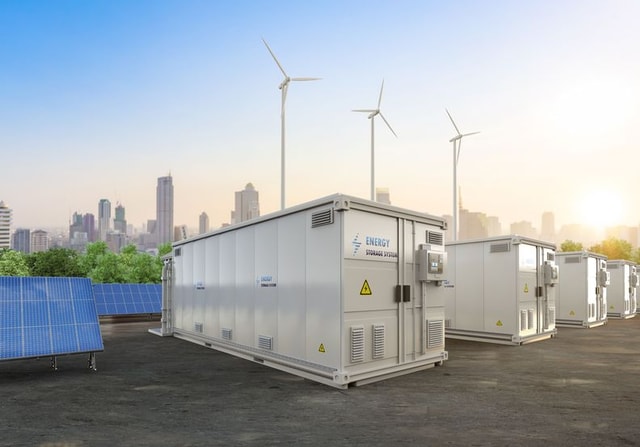
Battery Energy Storage System
Nippon Koei Energy Europe B.V. (NKEE) and Aquila Clean Energy EMEA completed the construction of their battery energy storage system (BESS) last year.
Wren Urban Nest
Tucked into a quiet enclave of the bustling city centre, this small but clever hotel boasts compact, cosy rooms.
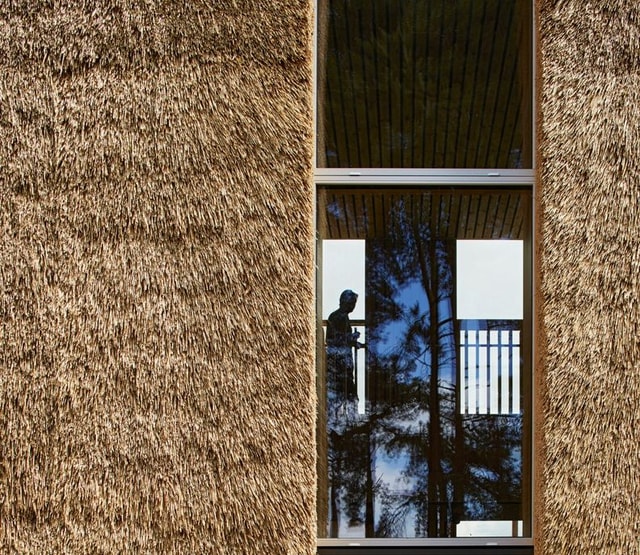
Decarbonisation
We take a strategic, multidisciplinary approach to decarbonisation, focusing on both operational and embodied carbon.
Key contacts

Lucy Townsend
Head of Sustainability, BDP
Kohei Inaba
Energy Operation Division, Hydropower Development & Operation, Nippon Koei Energy Solutions Co., Ltd.
Related expertise
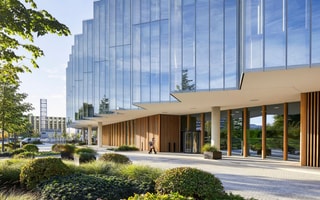
Sustainable energy
We integrate efficient, smart energy systems to meet net zero targets and ensure long-term resilience.
-1330x831.jpg?u=2025-01-12T21:38:47.920Z&w=320&q=90)
Infrastructure
Urban growth depends on robust infrastructure that supports communities, economies, and climate resilience.
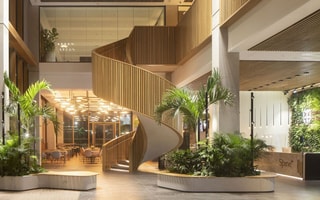
ESG consultancy
We deliver places that lead on environmental, social, and economic sustainability through strong ESG strategy.