Resilient
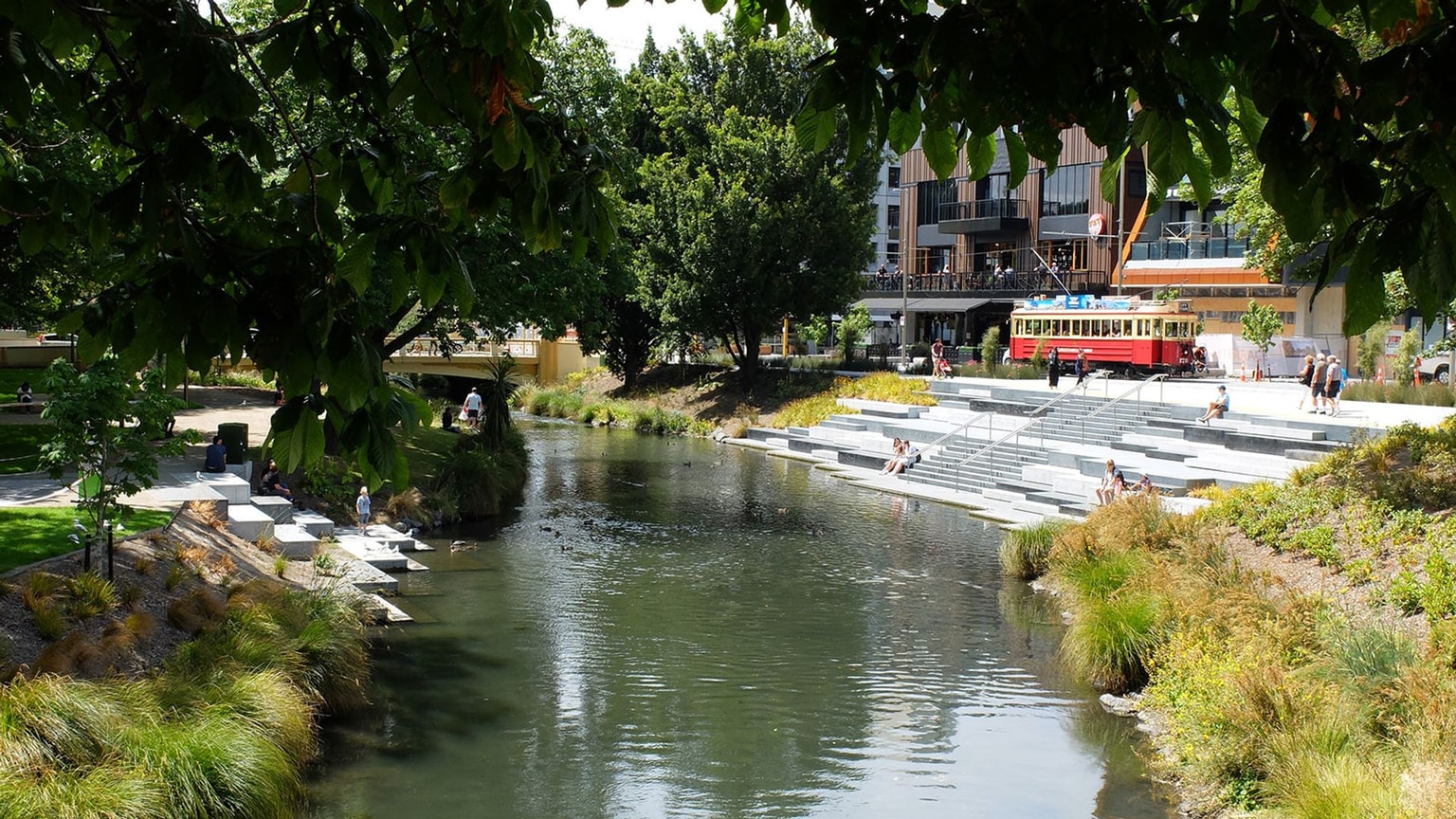
Avon River Precinct, Christchurch, New Zealand
The Good CityIn a changing world the Good City must be resilient. It must be able to cope with both gradual change and extreme events caused by climate change or other natural or human-made disasters.
Cities around the world are increasing vulnerable to extreme weather. Most cities are located on a river or the coast and in recent decades there have been unprecedented flood events leading to destruction of property and loss of life. Heavy rainfall is becoming more common as a result of global warming exacerbated by rising sea levels.
Natural disasters have also included wildfires, extreme heatwaves, blizzards, hurricanes/cyclones, earthquakes and tsunamis. Cities around the world will face different risks depending on their climate and geology but these risks can be planned for and mitigated.
Resilience also relates to human-made disasters like war, terrorism, power outages or accidents that disrupt people’s lives, affect transport networks and the functioning of the city. There are also longer term more gradual trends that city resilience needs consider, global warming prime amongst and its effect on microclimate.
Five ‘Good City’ solutions
Disaster prevention
Whilst it is difficult to prevent natural disasters, it is important that cities plan to limit and mitigate the extent of the damage. By implementing both ‘hard measures’ such as dam construction and ‘soft’ measures introducing resident warning systems they can reduce the human and infrastructure scale of a disaster.
Flood risk assessment
Mapping, identifying sources, risk probability levels and mitigation strategies enable a city to understand the need for flood defence infrastructures and can ensure that masterplan and building designs address the issues. Many use flood risk analysis platforms which draw on a range of data providing clients with model scenarios and risk calculations to support decision-making.
Resilient buildings
The Good City should optimise design solutions such as orientation, siting, roof design, fin facades, reinforced windows, good insulation and ventilation, backup power systems and permeable landscapes to help counteract the impact of an extreme weather events on buildings. Effective policies, regulations and design codes are also essential to ensure resilient building performance standards are implemented.
Resilient structures
All structures must be able to resist the external forces and loads imposed by extreme weather and earthquakes. To combat intense heat, thermal expansion, specialised concrete mixtures and reinforcement must all be considered. In earthquake zones, a combination of concrete and steel are needed to resist horizontal inertial forces. Understanding the environmental conditions is how designers can help minimise the damage caused by natural disasters.
Smart city systems
The Good City will include data monitors and smart systems to understand in real time the functioning of the city in order to pre-empt and mitigate extreme events.
Our work
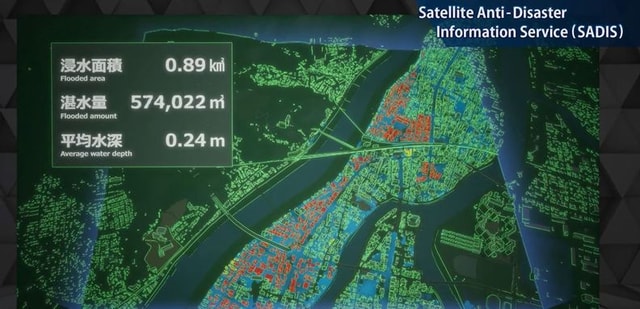
Satellites – remote sensing technology
Nippon Koei has developed its own technology using remote sensing satellites to provide risk assessment forecasting and monitoring services to clients
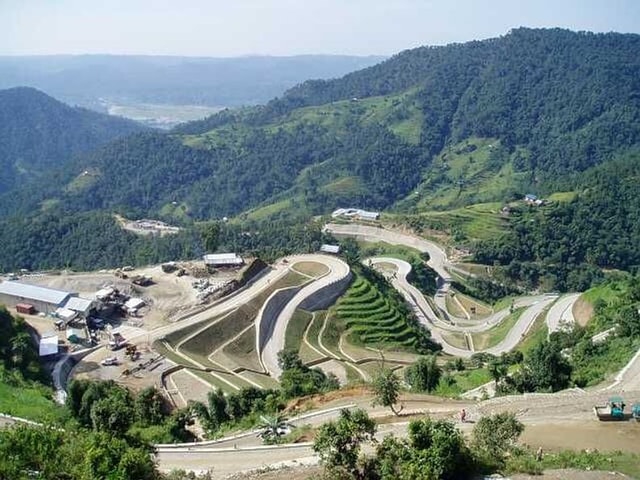
Sindhuli Road
The Sindhuli Road is a 160 km highway constructed in Nepal with the grant aid assistance by the Government of Japan.
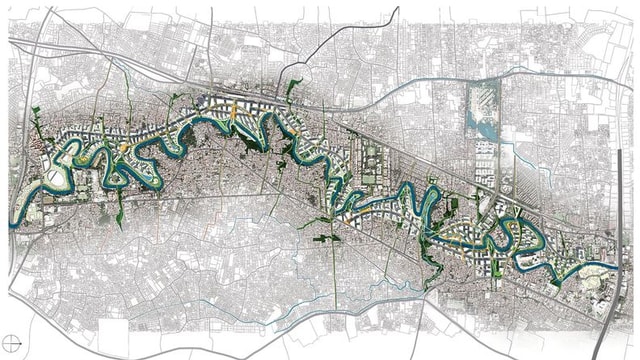
Jakarta River Development
The masterplan proposal presents a vision for world class riverfront development along the Jakarta River.
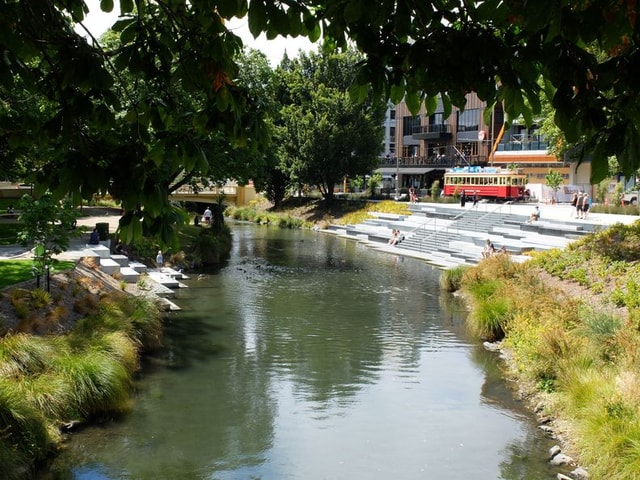
Te Papa Ōtākaro – Avon River Precinct Framework
The Avon River Precinct regeneration project was initiated to restore the health of the river and revitalise the central city.
Key contacts
Jeremy Farrington
Principal, Head of Asia Pacific, BDP
Shinya Watanabe
River Planning, Nippon Koei Co., Ltd.
Related expertise
-1330x831.jpg?u=2025-01-12T21:38:47.920Z&w=320&q=90)
Infrastructure
Urban growth depends on robust infrastructure that supports communities, economies, and climate resilience.
Smart technology
Digital technologies and data analytics underpin our offer, enabling smarter, more responsive urban design.
Sustainable energy
We integrate efficient, smart energy systems to meet net zero targets and ensure long-term resilience.