Well designed
Centre for Creative Learning, Francis Holland School, UK
The Good CityEvery aspect of the Good City is designed; from its strategic and neighbourhood masterplans, to its buildings, transport systems, infrastructure, public realm, lighting, street furniture and interiors.
Design at each of these levels is taking place at all times, which is why the cumulative impact of all of these design decisions are not always easy to predict or control. The Good City is both a designed artifact and a complex emergent system.
City design is complex because of the range of players involved with multiple design teams, clients, end users, regulatory authorities and communities. Design is a collaborative process and the best results come from the effective involvement of all of these players. Especially important is the local community who need to be involved in a way that is meaningful and that influences the outcome.
Six ‘Good City’ solutions
Well planned
The form and shape of the Good City needs to be planned though city wide strategic plans and frameworks. It is also important to focus on the mechanisms by which these plans are implemented using coding, planning, zoning regulations and infrastructure investment.
Masterplanning
On larger sites master plans are valuable in creating a framework within which development can take place ensuring that it integrates into the fabric of the city. Master planning is collaboration between all stakeholders and is relevant to the design of new neighbourhoods and urban extensions as well as university campuses, business parks and hospitals.
Architecture
Cities are made up of buildings; homes, shops, leisure outlets, offices, workspace, educational institutions, civic buildings, transport hubs, sports venues and healthcare facilities. Each sector requires specialist knowledge blended with people-centric design to create successful buildings and that cumulatively add up to successful cities.
Heritage
Good design means respecting and enhancing historic buildings and structures so that they contribute to a sense of continuity, identity, culture and education. Refurbishment and adaptive reuse enable the retention of historic value whilst giving buildings a modern day purpose.
Infrastructure design
Cities depend on infrastructure from utilities and services to waste disposal, communications and transport. The efficient design of infrastructure is vital to a city’s economic growth and its residents’ quality of life as well as helping it achieve its sustainability goals through renewable energy, energy efficient buildings, and public transport.
Public realm and lighting design
The public face of the city is its streets, squares, parks and other spaces. This public realm is multi-functional, accommodating transport and servicing, contributing to biodiversity, providing drainage whilst also accommodating the public life of the city. It needs to be well designed and well lit so it is both attractive and safe.
Our work
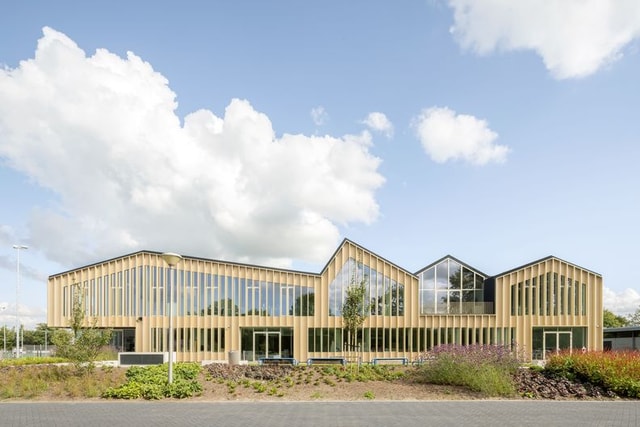
LennaMare School
A public school with an education structure designed to nurture talent, develop skills and create passionate and knowledgeable young people.
Oak Cancer Centre
The new Oak Cancer Centre in Sutton enables clinicians to diagnose cancers at an earlier stage.
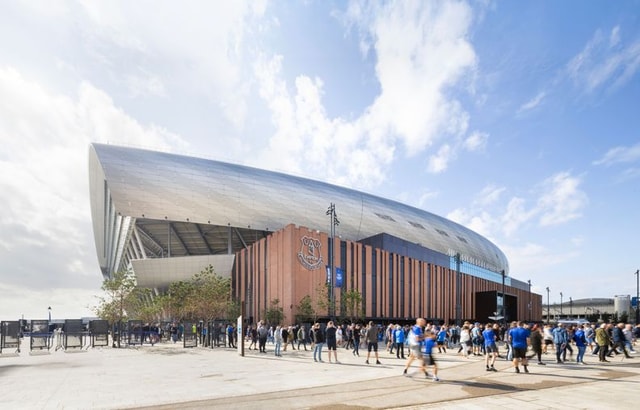
Hill Dickinson Stadium
Everton Football Club’s new 52,769 seat stadium will provide far-reaching benefits to both the club and the community.
Liverpool ONE
Liverpool ONE is a remarkable example of retail regeneration, at the heart of Liverpool’s city centre into a thriving destination.
Key contacts

Manisha Bhartia
Urbanism Director, New Delhi Studio Head, BDP

Tetsunari Gejo
Development Plan, Regional Plan, Nippon Koei Urban Space Co., Ltd
Related expertise
-1330x831.jpg?u=2025-01-12T21:38:47.920Z&w=320&q=90)
Infrastructure
Urban growth depends on robust infrastructure that supports communities, economies, and climate resilience.

Smart technology
Digital technologies and data analytics underpin our offer, enabling smarter, more responsive urban design.
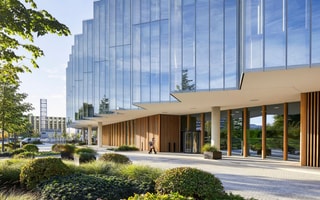
Sustainable energy
We integrate efficient, smart energy systems to meet net zero targets and ensure long-term resilience.