Clean and non-polluting

Super Slow Way Linear Park, Blackburn, UK
The Good CityThe scale and intensity of cities puts strain on natural systems as well as impacting on public health. The Good City should have clean air and rivers and be efficient at disposing its waste.
The ability to deal with pollution and waste has long been the city’s weak spot. Since the early industrial cities, water supply, air pollution, waste disposal and sanitation have caused environmental and health problems. The rapid growth of cities in many parts of the world means that the basic problems of water supply and sanitation are yet to be solved. Meanwhile all cities struggle with air quality, dependence on landfill sites, plastic waste and the discharge of sewage into rivers.
The first responsibility of the Good City is to put in place mechanisms to deal with these issues. To control emissions from traffic and other uses and to reduce air pollution. To invest in sanitation systems so that sewage is never discharged into rivers or the sea. To invest in waste collection and recycling systems to reduce the amount of plastic pollution and waste going into landfill. Long term, it is about changing mindsets towards the reduction and reuse of waste, rather than disposal.
Five ‘Good City’ solutions
Waste to energy
Cities must invest in all forms of waste-to-energy technologies. These technologies are converting waste into renewable energy helping to reduce emissions and generate outputs that can be re-used by industry, whilst simultaneously reducing costs.
Clean air strategies
The Good City must take action to improve air quality including adopting WHO air quality targets, establishing clear air/low emission zones, focusing on public and active transport particularly those with zero emissions vehicles and minimising the burning of fossil fuels.
Recycling systems
Efficient collection and disposal of waste relates to the design of neighbourhoods to enable efficient segregated collection as well as city wide waste and recycling systems. It is also about optimising closed looped systems where materials can be continuously reclaimed and repurposed.
Water supply systems
The Good City will provide clean water to its residents without impacting on ground water levels or wider systems. Many cities are in areas where water supplies are under pressure and need to invest in demand reduction measures as well as rainwater and grey water harvesting.
Sanitation systems
Almost half of the world’s population lack access to safely managed sanitation and the Good City has a responsibility for providing sanitation systems or supporting entrepreneurial sanitation initiatives especially in developing countries preventing discharge into river systems.
Our work
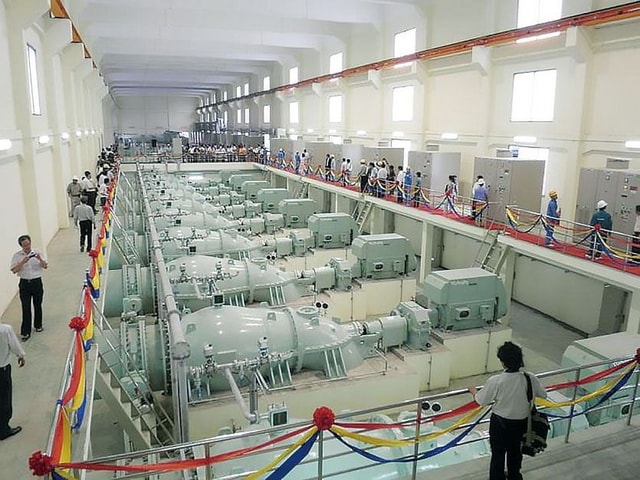
Yen So Pumping Station
Hanoi City has invested more than 15,000 billion VND on drainage systems in the inner city districts and western region in order to prevent flooding.
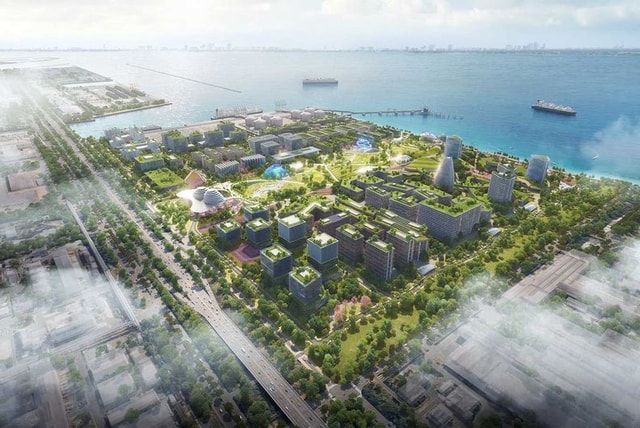
Ohgishima Masterplan
A bold and visionary masterplan, that will have lasting economic and environmental impact.

West Gorton Community Park
West Gorton Community Park is a new, sustainable green space for the local community that helps reduce the impact of climate change in Manchester.
Wren Urban Nest
Tucked into a quiet enclave of the bustling city centre, this small but clever hotel boasts compact, cosy rooms.
Key contacts
Robert Ferry
Principal, Building Services Engineering, BDP

Tomoyuki Hosono
Circular Economy Promotion, Solid Waste Management, Nippon Koei Co., Ltd.
Related expertise
-1330x831.jpg?u=2025-01-12T21:38:47.920Z&w=320&q=90)
Infrastructure
Urban growth depends on robust infrastructure that supports communities, economies, and climate resilience.
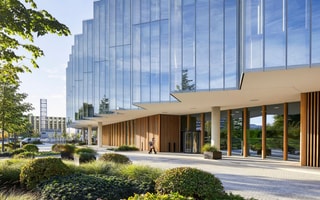
Sustainable energy
We integrate efficient, smart energy systems to meet net zero targets and ensure long-term resilience.
Transport
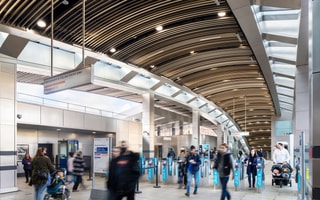
A successful transport interchange should be legible throughout the user experience.