Nature-based solutions
West Gorton Community Park, UK
The Good CityThe Good City is a ‘Green City’ providing healthier, more biodiverse, climate resilient, equitable places to live and work that contribute to a sustainable city.
It is sometimes assumed that the city and nature are incompatible, and it is true that many of the high density cities of the past had very little open space or greenery. However it is now recognised that the Good City can be both dense and vibrant while also being rich in greenery, biodiversity and high quality open spaces.
These include urban parks and natural spaces, green corridors, sports pitches, play space, neighbourhood greens and pocket parks, gardens, allotments, street trees, green rooves walls, balconies and window boxes. All contribute to our wellbeing, enabling us to lead active healthy lives as well as being vital to climate change mitigation.
Five ‘Good City’ solutions
Biodiversity net gain
Biodiversity is under significant threat from weather patterns, habitat loss, pollution, invasive species and human activities. The Good City has a responsibility to restore and create habitats to promote biodiversity.
Cooling effects
Careful design, shading, green roofs, street trees and balconies can reduce surface temperatures as well as improving air quality and supporting rainfall drainage systems. All helping to lower operating costs and energy usage required for cooling buildings.
Flood alleviation
Flood risk is increasing for cities across the world as a result of intense rainfall, river levels and rising sea levels. A ‘sponge city’ can be created using natural systems to attenuate rainfall runoff to reduce flooding through Sustainable Urban Drainage Systems (SuDS).
River regeneration
Many cities have grown next to rivers as historically they have provided an important method of transportation. Poorly managed, rivers become polluted and damaged, but good design can bring city life back to the river edge supporting economic, social, and ecological city strategies.
Planning, policy and design guides
To embed green infrastructure into a city requires it be integrated into local plans, policies, and design codes at all levels. This sets the standards that need to be met by all developments across a city.
Our work
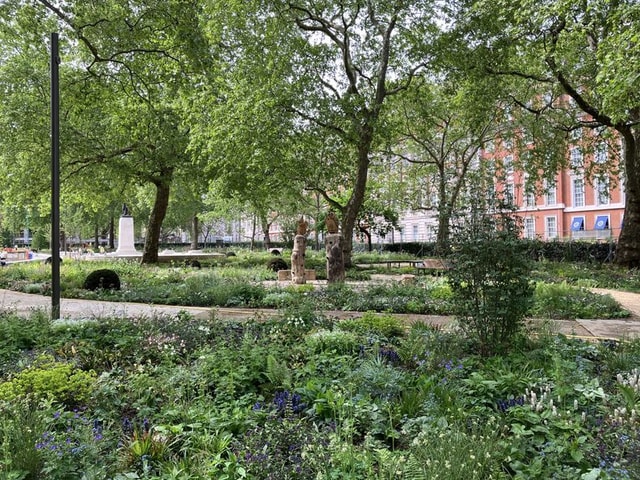
Grosvenor Square Gardens
Once-in-a-generation transformation to create a stunning urban garden in the heart of London’s iconic West End.
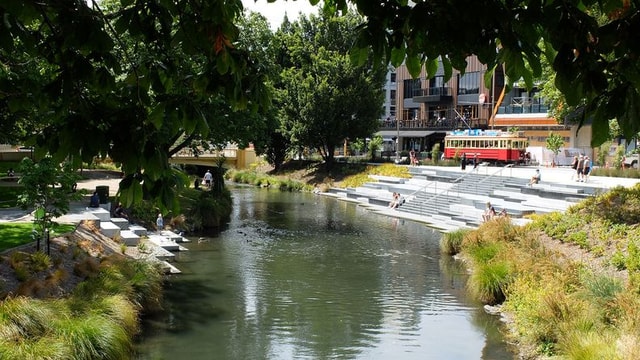
The great riverside revival
Jeremy Farrington advocates green infrastructure to regenerate habitats and renew neighbourhoods.
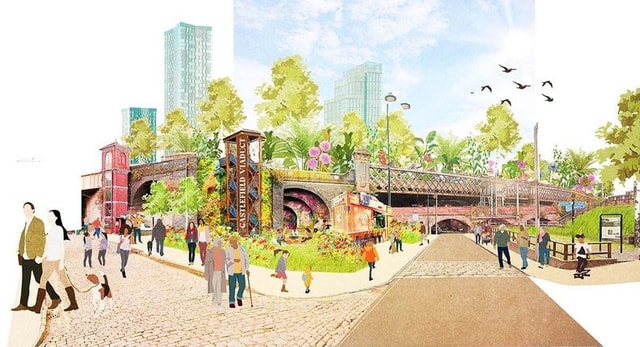
Castlefield Viaduct
This temporary green space, transforming a disused Victorian-era railway viaduct, has become a cherished part of the Manchester community.
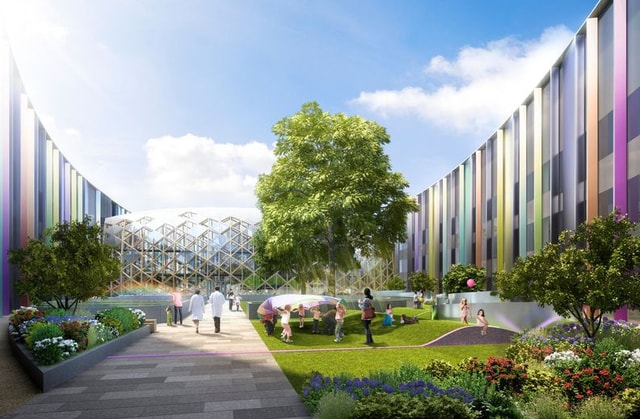
National Children’s Hospital, Dublin
Ireland’s largest healthcare project will bring together the three existing children’s hospitals to create a single, world-class facility.
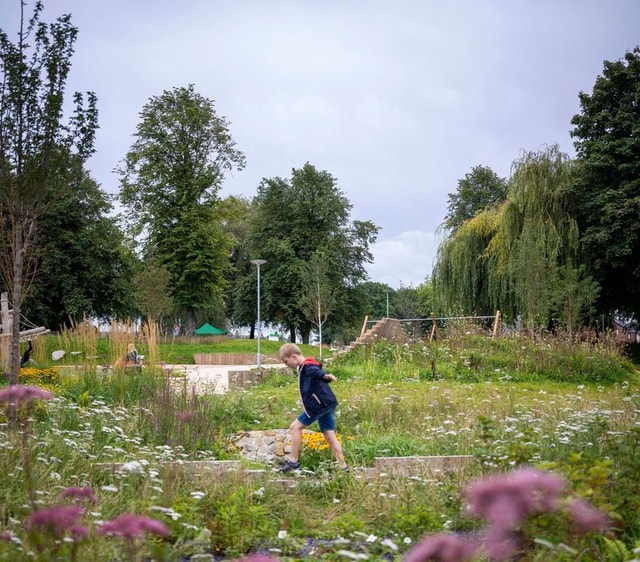
West Gorton Community Park
West Gorton Community Park is a new, sustainable green space for the local community that helps reduce the impact of climate change in Manchester.
Key contacts
Nick Edwards
Principal, Chair of Landscape Architecture, BDP
Related expertise
-1330x831.jpg?u=2024-11-22T20:47:08.091Z&w=320&q=90)
Landscape and biodiversity
We design green spaces that support health, enhance biodiversity, and build resilience to climate change.
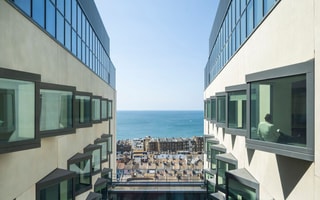
Spatial planning
We undertake spatial planning at all scales from national and regional plans to local and neighbourhood plans.
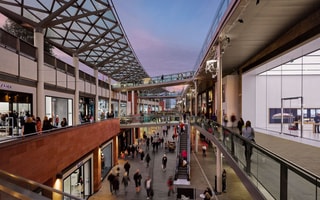
Urban design
Our urban designers are experts in crafting places that follow the principles of The Good City.